
The Future of Design: Why Microcement Is Taking Over
Updated 2026
Design trends are evolving rapidly, with homeowners, designers, and architects increasingly favouring seamless, low-maintenance finishes over traditional tile, hardwood, and stone — particularly in renovation and overlay applications. In 2026, materials that offer beauty balanced with durability and versatility are in high demand, and one material that is revolutionising modern interiors and exteriors is microcement. Its ability to be applied to floors, walls, ceilings, and joinery makes it one of the most flexible design solutions available today for interior and exterior areas. This article dives deeper into what makes microcement stand out. Is it the future of contemporary design? Let’s explore.
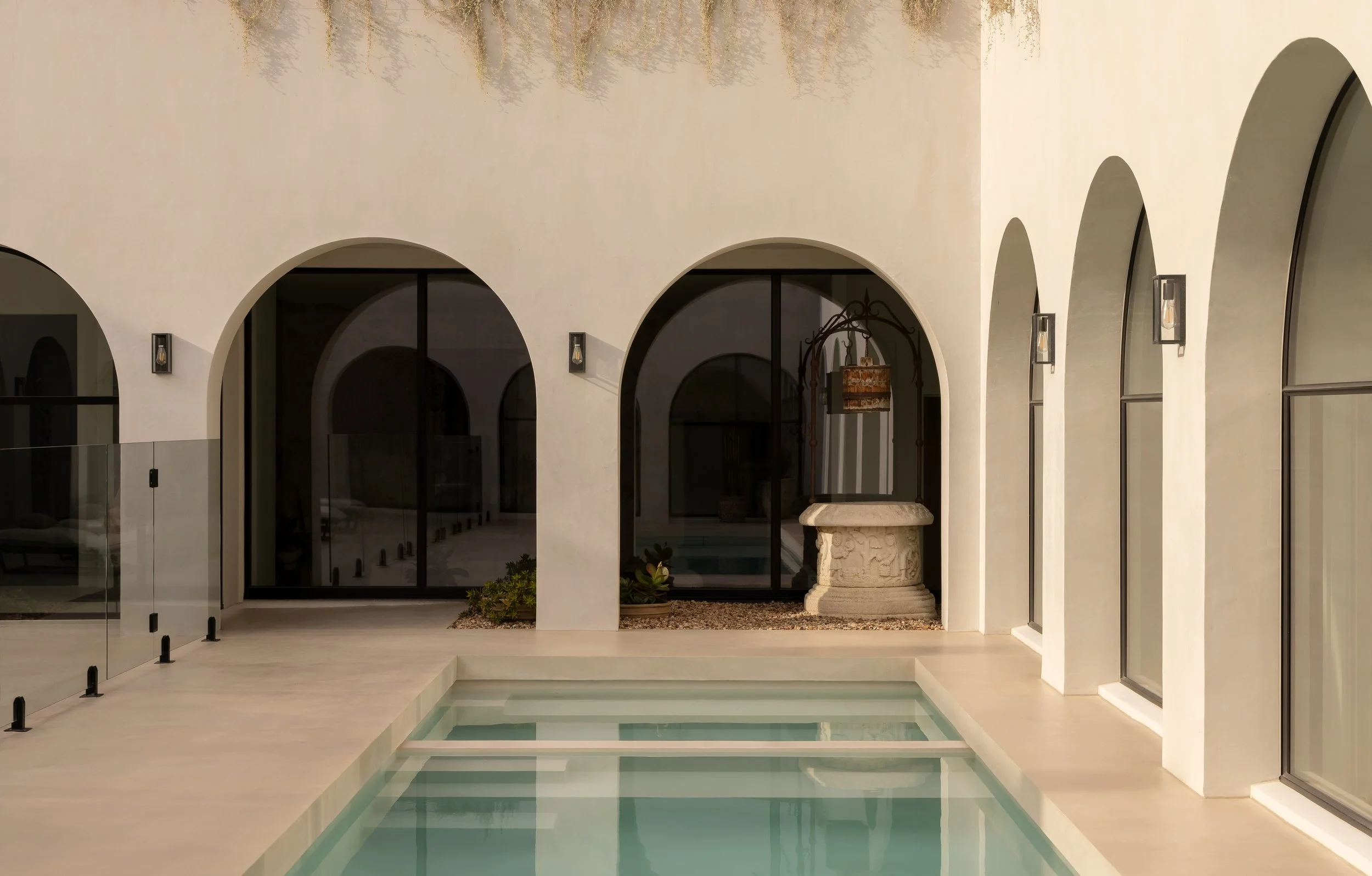
Microcement isn’t just a passing trend — it’s been a game-changer in architecture and interior design since we brought X-Bond Microcement to the Australian market 25 years ago. Here’s why.
Seamless Aesthetic – Unlike tiles or paneling, microcement creates a continuous, grout-free surface.
Applied Over Existing Surfaces – No need for demolition; microcement can be installed over tiles, plaster, concrete, wood, and more, reducing renovation costs and downtime.
Flexibility — Not all microcements are equal, but our product X-Bond is extremely flexible, meaning it’s designed not to crack as your building moves underneath.
Unmatched Durability – A scratch-resistant, impact-resistant, and super strong material designed to withstand wear and tear in high traffic areas (including vehicles).
Waterproof & Stain-Resistant – Perfect for bathroom surfaces, showers, kitchens, outdoors, and other wet areas.
Customisable – Available in various colours and textures, including the original concrete-inspired finishes in your own custom shade.
Thin & Lightweight — Microcement is super thin, usually applied in two 2-3mm layers. This makes it a lightweight alternative to concrete that won’t alter load-bearing capacity or door heights in renovations.
Read More: Why X-Bond is Australia’s Best Microcement
Residential X-Bond Projects:

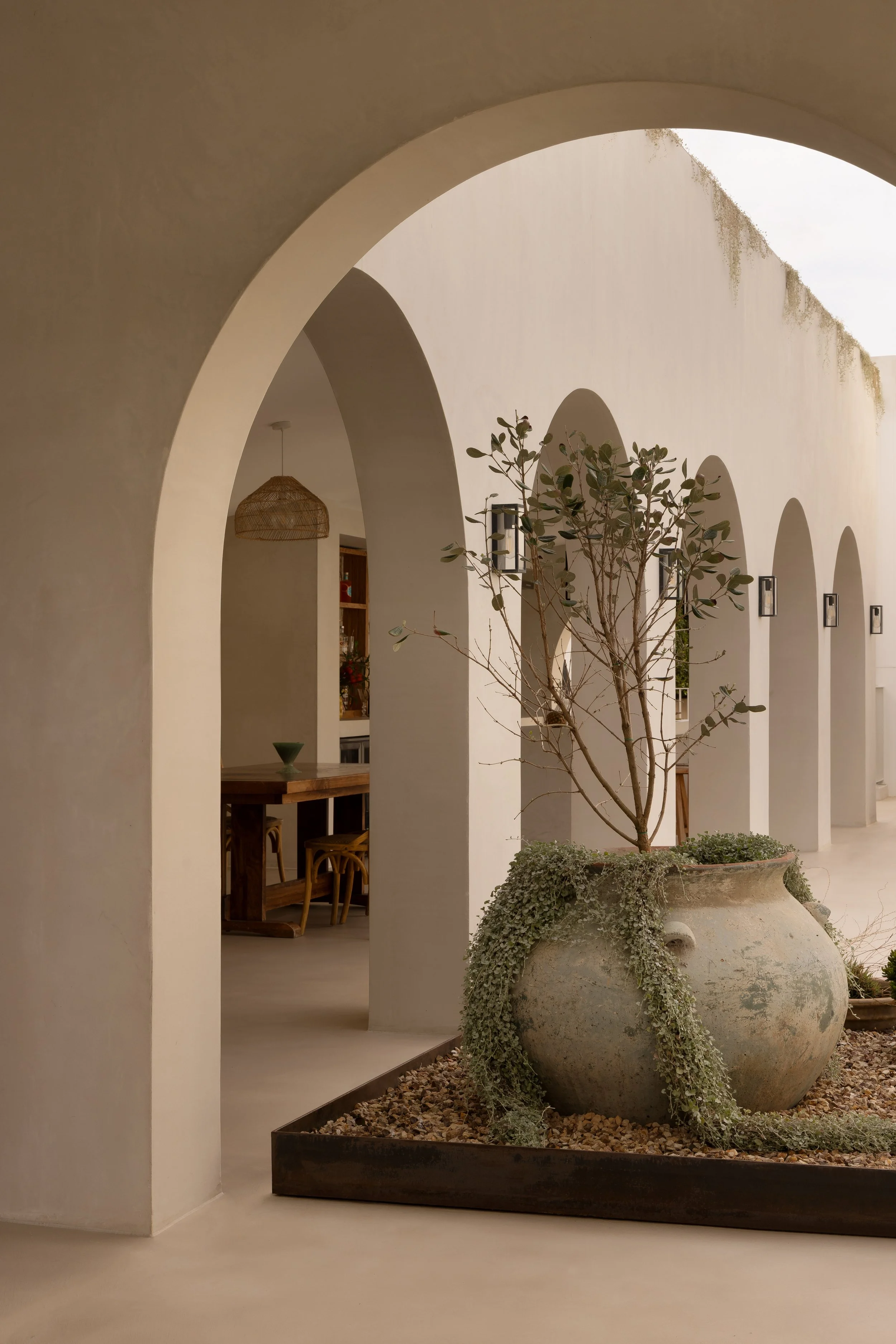


View more of our projects
Microcement vs. Traditional Materials: How Does It Compare?
While traditional materials like tiles, wood, and concrete offer some benefits, nothing ticks all the boxes like microcement. From seamless suitability in wet areas to resilience, design freedom, and ease of maintenance; it combines the best of both worlds — functionality and aesthetics. If you’re considering different materials for walls, floors, and surfaces, here’s how microcement stacks up. Read More: Microcement vs. Polished Concrete

Best Applications for Microcement
Microcement’s adaptability makes it suitable for nearly any indoor or outdoor surface.
Residential interior floors, walls, and ceilings
Residential exterior facades
Commercial spaces e.g. restaurants, retail stores, office buildings, health clinics & more
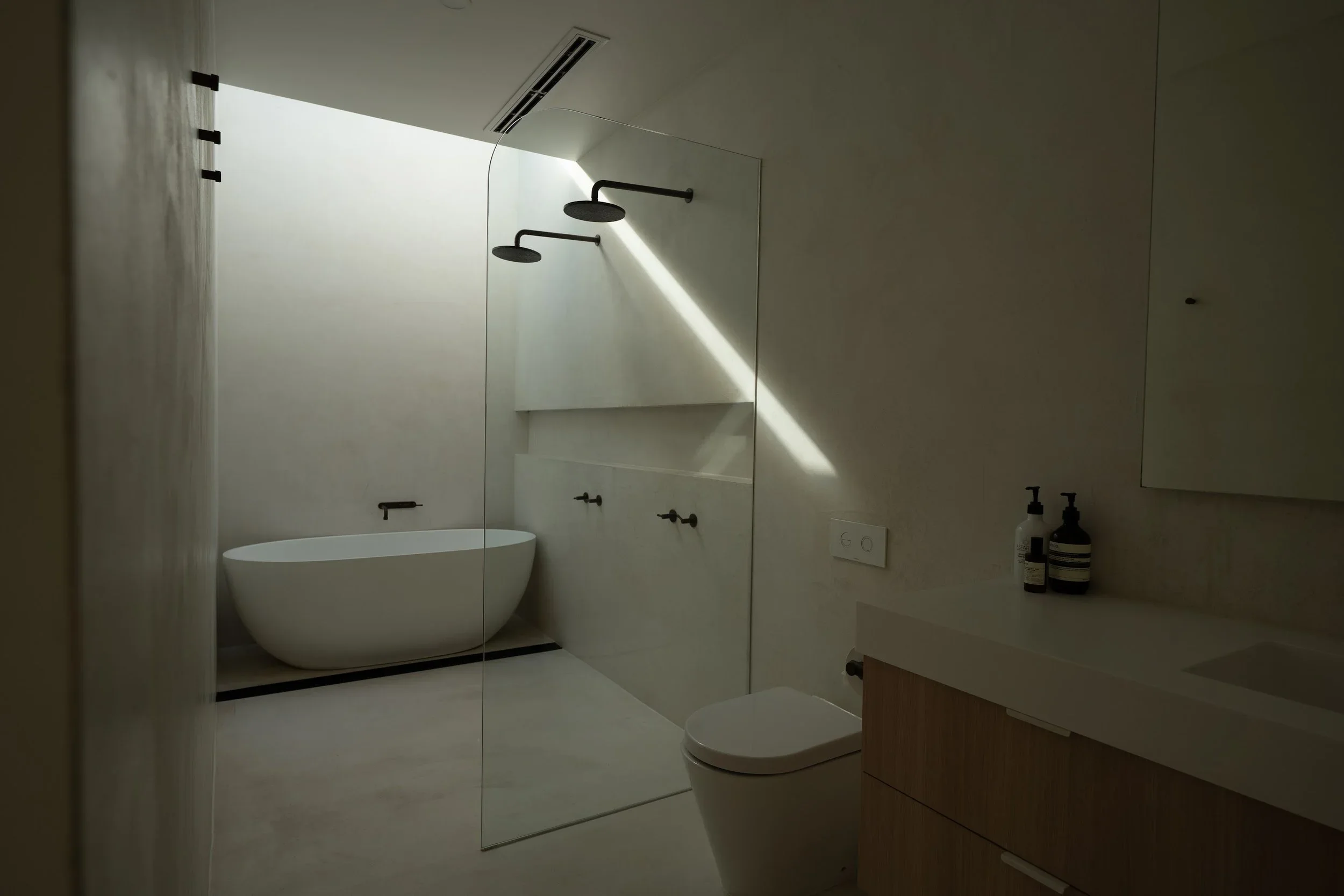
Wet areas e.g. bathroom surfaces, showers, saunas, sinks, and steam rooms
Countertops and benches (including kitchens)
Furniture & custom design elements e.g. tables and shelving
Patios, terraces, balconies and pool decks
Commercial X-Bond Projects:


View more
Microcement is more than just a material; it’s a design revolution. Its ability to create seamless, modern, and durable surfaces across floors, walls, and furniture in all kinds of spaces — indoor and out, wet or dry — makes it one of the most sought-after finishes in contemporary architecture. Microcement offers limitless possibilities.
Thinking about including microcement into your next project in Australia? Our team can help connect you with microcement installers in your area specialising in X-Bond, the world’s first microcement with three decades of trust by architects, designers, contractors and home owners around the world.
Frequently Asked Questions
What design styles work best with microcement?
Microcement is a versatile surface material that can easily complement any interior design style. In 2026, there is a strong shift toward natural textures, warm neutrals or jewel tones for making a statement, and seamless finishes — all of which microcement supports.
More Inspiration: Design Elements That Work With Microcement
Can microcement be used for both interiors and exteriors?
Yes, microcement is suitable for both interior and exterior applications — from interior walls to building facades, kitchen flooring to pool surrounds. Its thin application and strong adhesion allow it to be used across a wide range of surfaces without major structural changes. When installed correctly with the right system, it offers excellent durability and weather resistance.
How is microcement used to resurface old areas?
Microcement is a thin, bonded coating that adheres directly to existing materials such as tiles, concrete, or plaster. This process eliminates the need for demolition, allowing outdated surfaces to be transformed into modern, seamless finishes.
The system involves surface preparation (e.g. levelling and waterproofing), priming, and layering the microcement before sealing it for durability. Because it can be applied to floors, walls, ceilings, and joinery, it’s a versatile solution for renovating kitchens, bathrooms, living spaces, and exterior areas with minimal disruption.