
When You Should Choose Quartz Carpet
Updated April 2026
Ever heard of Quartz Carpet? It’s a material for floors, walls, and joinery made from natural quartz stones bound with epoxy. The stone/epoxy mixture is applied in one layer to form a seamless coating. The result is an extremely durable and low-maintenance surface, particularly where vehicle and foot traffic are concerned. But it’s also a sculptural and refined finish for statement design elements, too.
In 2026, Quartz Carpet has become a preferred alternative over other stone flooring, including pebblecrete and exposed aggregates — used most commonly in garages, driveways, and commercial projects. As it’s gaining renewed attention across residential and commercial design, let’s dive into why this incredibly resilient finish might be the best option for you.
If you’re interested in using Quartz Carpet in your project, let’s get started with a quote request.


Remodel Without Removal: Quartz Carpet is an overlay, meaning it can be applied directly over a range of existing substrates. It’s hand trowelled at 5-7mm thick directly over materials such as concrete, tiles, timber, sheeting, and plaster — which is a huge benefit if you’re looking to resurface without demolition.
Unmatched Durability: It’ll last a lifetime even with heavy foot traffic and vehicle use. Clients are using our Quartz Carpet system for strong, slip-resistant flooring in garages, gardens, and multi-level commercial buildings. Well known commercial projects featuring our quartz stone flooring include Mercedes Benz showrooms, La Trobe University, and HOYTS.
Quick Installation: Compared to traditional surfaces, Quartz Carpet is much faster to install. It can typically be installed within 3-5 days (for a 100m2 project over concrete). Keep in mind that more preparation may be involved for other substrates.


Water Permeable: When installed internally, spaces between the quartz stones will be filled to ensure the floor is moppable. But for outdoor flooring, the spaces are left unfilled so that the final surface is water-permeable and UV stable. This assists stormwater management, helps prevent erosion, and is more resistant for fluctuating weather conditions including frost and high UV levels. If you already have water permeable concrete installed, Quartz Carpet can be installed ontop of this and won’t impact the water permeable system. Learn more about permeable floor finishes here.
Create Custom Joinery: Quartz Carpet is becoming more and more popular for internal joinery pieces because it creates dynamic texture while being incredibly resilient to wear and tear.
Design Options: Coming in different colour and stone size options, Quartz Carpet provides a beautiful, unique solution to practical surfacing. Take Aesop for example. Aesop stores are meticulously designed, and we’re proud to have supplied Quartz Carpet for the Paddington location.
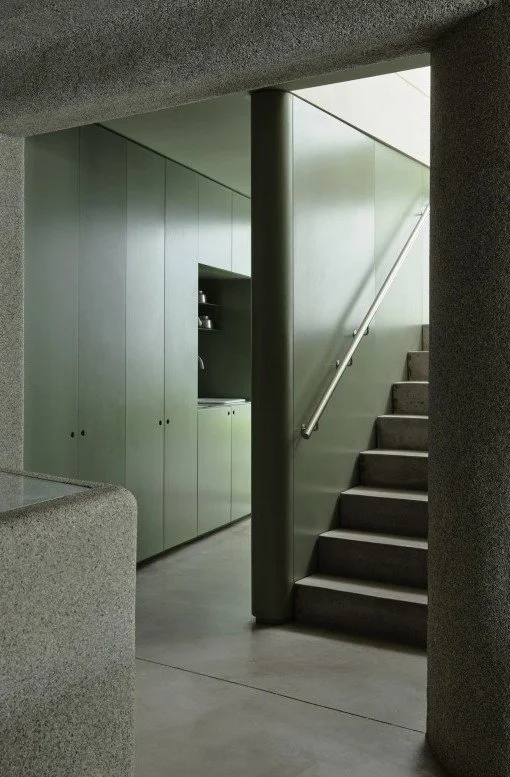


Want to learn more? Read our Quartz Carpet overlay guide.
You can also view some amazing Quartz Carpet projects from one of our installers, and watch it being applied by hand.
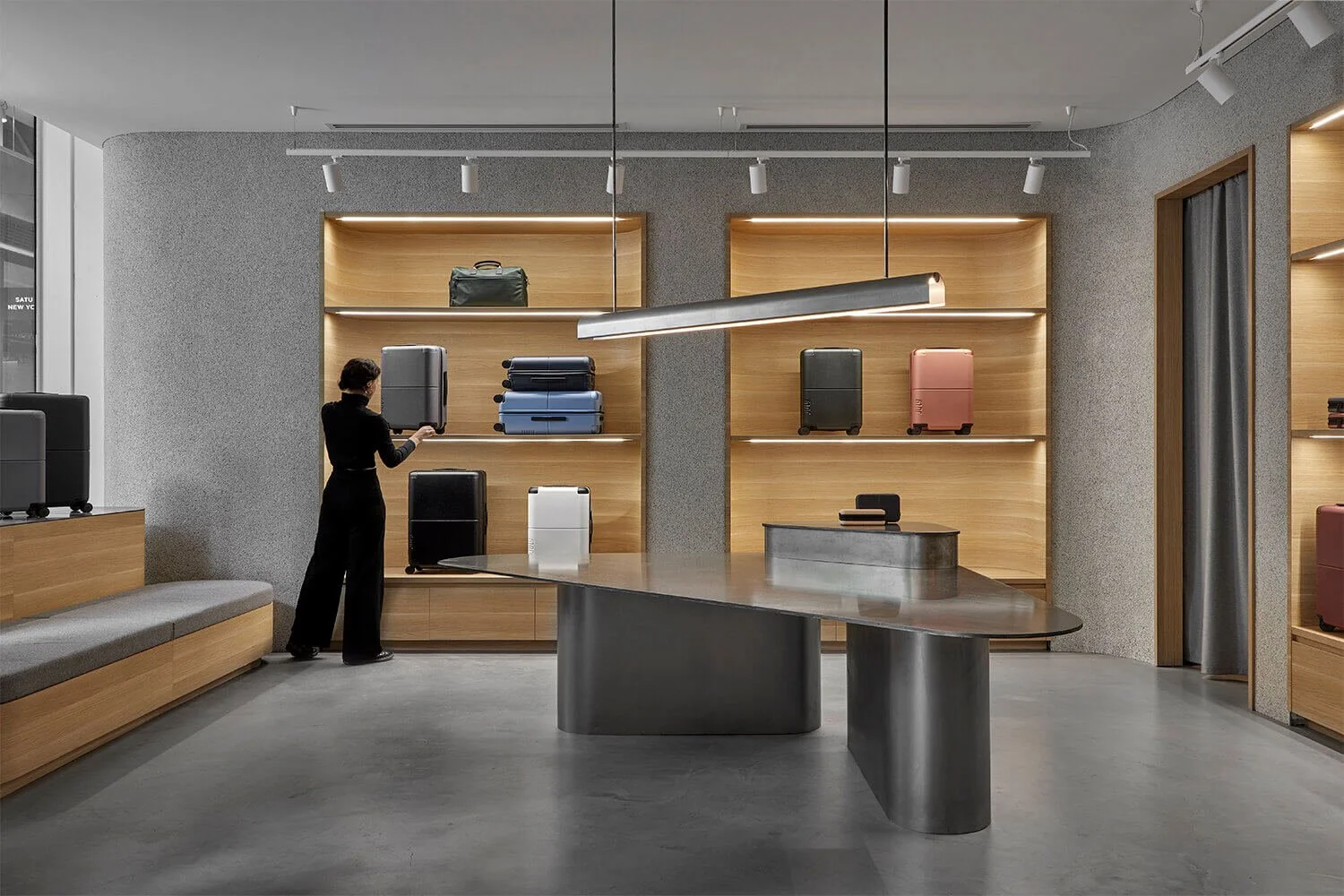
Quartz Carpet Walls at July
Frequently Asked Questions — Quartz Carpet Overlays
How much does Quartz Carpet cost in Australia?
The cost of Quartz Carpet in Australia typically ranges depending on the size, surface condition, and complexity of the project. On average, our system can vary from $120 to $250+ per square metre. For estimates based on your project details, it’s best to consult our sales team. They’ll also be able to connect you with professional installers who can provide a final accurate quote.
Is Quartz Carpet suitable for vehicle traffic and outdoor areas?
Yes, Quartz Carpet is ideal for driveways, pathways, and outdoor spaces due to its durability, UV resistance, and slip-resistant finish. It performs well in Australian conditions and is designed to handle both heavy vehicle traffic and exposure to the elements.
How long does Quartz Carpet installation take?
Quartz Carpet installation is relatively quick compared to traditional flooring options, applied by hand using a trowel. Most residential projects can be completed within 1–3 days, depending on the size and condition of the surface. Once installed, it typically cures quickly, allowing for light foot traffic within 24 hours and full use shortly after.