
Four Interior Design Trends We're Watching in 2026
As we reach the halfway point, this year’s most influential interiors aren't being defined by a single colour, material or design style. Instead, they're shaped by a broader focus on atmosphere.
Designers are moving beyond individual products and trends, and considering how elements interact as part of a larger spatial narrative
Rather than chasing “the next big thing”, designers are focusing on the next big feeling. The emphasis is shifting from decoration to architecture, from individual products or materials to the overall experience of a space.
Here are the design trends shaping interiors in 2026.
Read Next: The Future of Design — Why Microcement is Taking Over
1. Surface Continuity
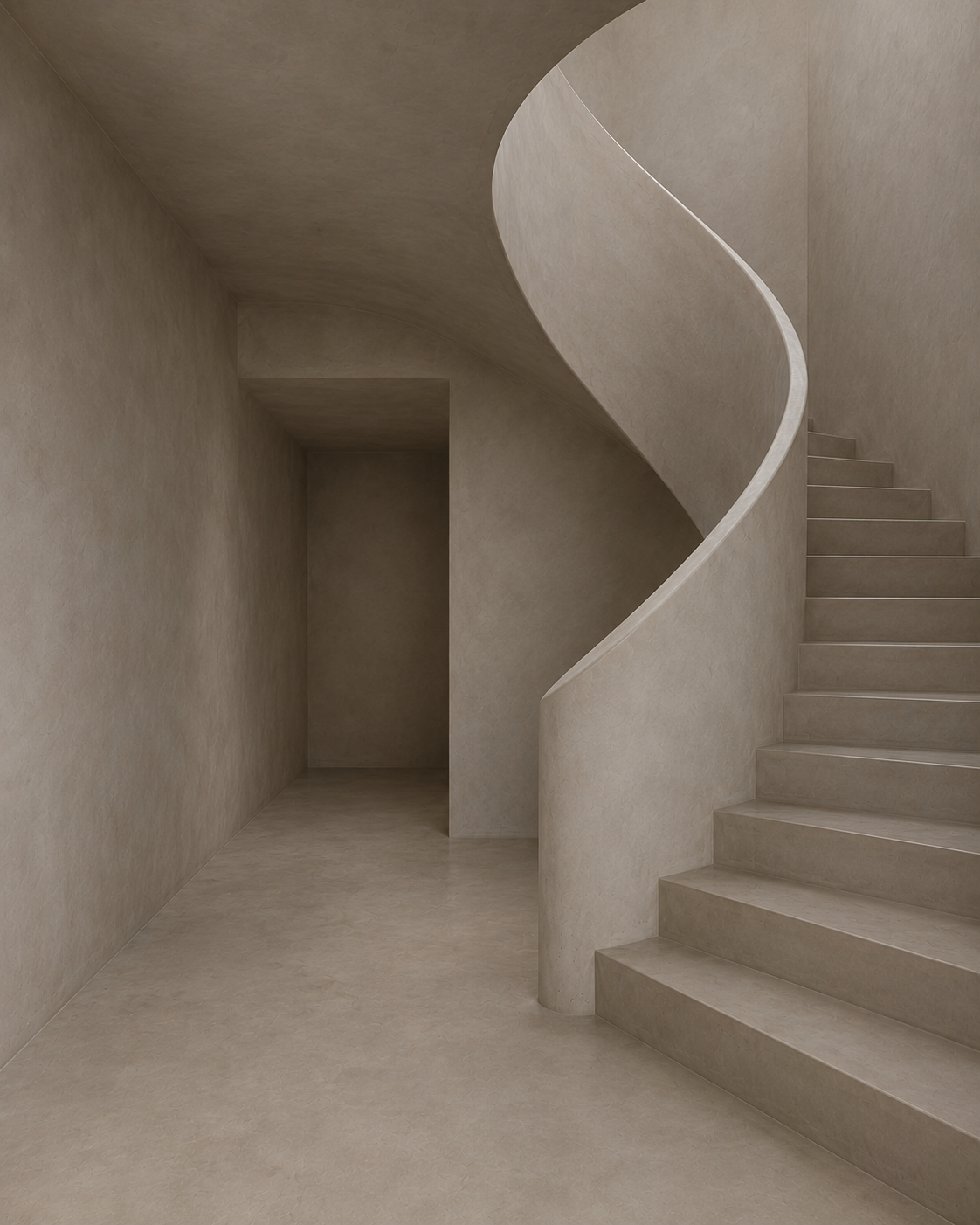
We still love a feature wall or bold design elements, but you don’t always need vivid contrast to make a statement.
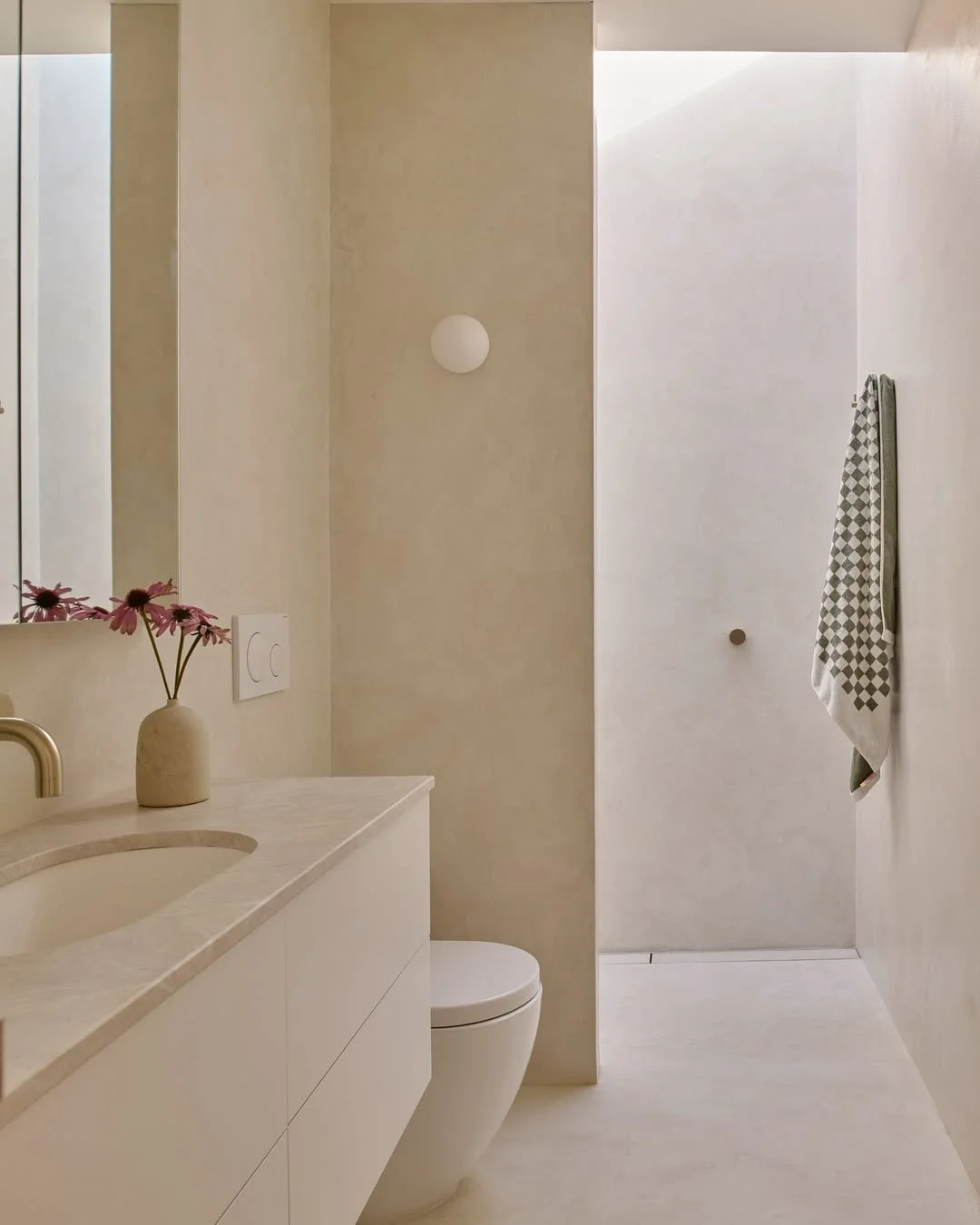
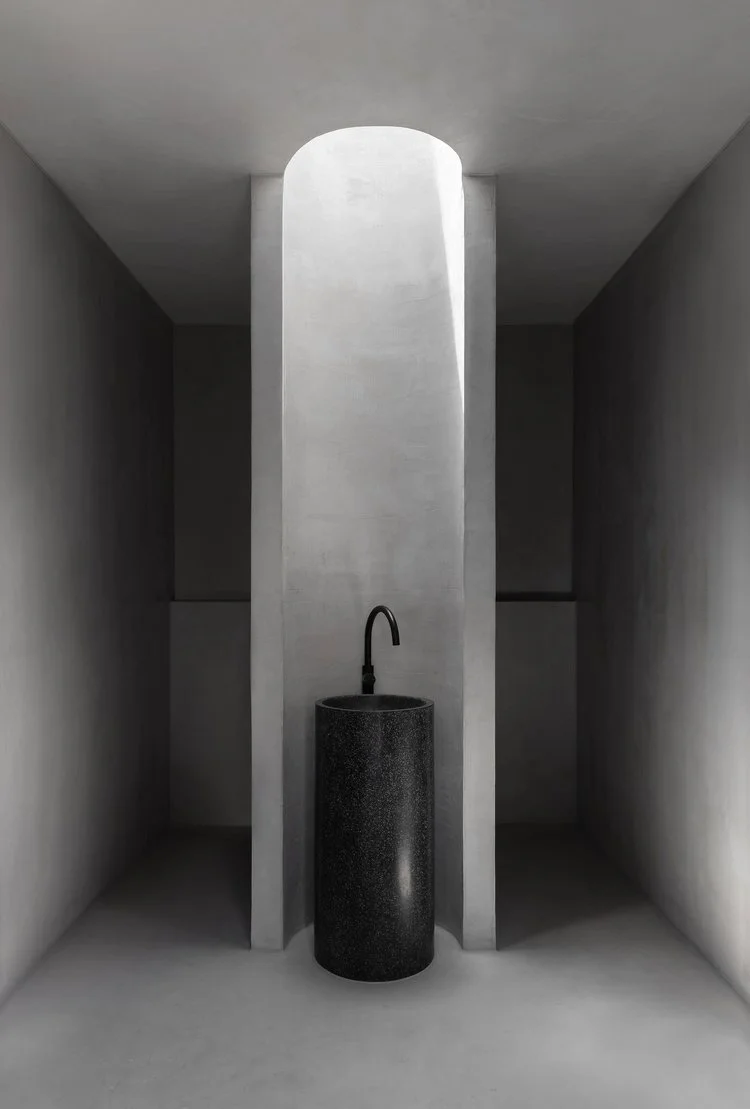
Instead of making one surface or object stand out, designers are creating spaces where materials flow seamlessly across floors, walls, ceilings, and architectural details. It's a shift from feature-driven design to spatial design, where the entire room reads as one considered architectural gesture. This monolithic approach creates impact through scale, continuity and cohesion rather than colour, texture or material changes.
It’s particularly evident in bathrooms, where continuous surfaces are replacing the traditional combination of tiles, trims and contrasting finishes. And in spaces with dramatic architectural forms that could otherwise be overstimulating, continuity becomes a powerful design tool to help unify the focal elements.
2. Single Colour Stories
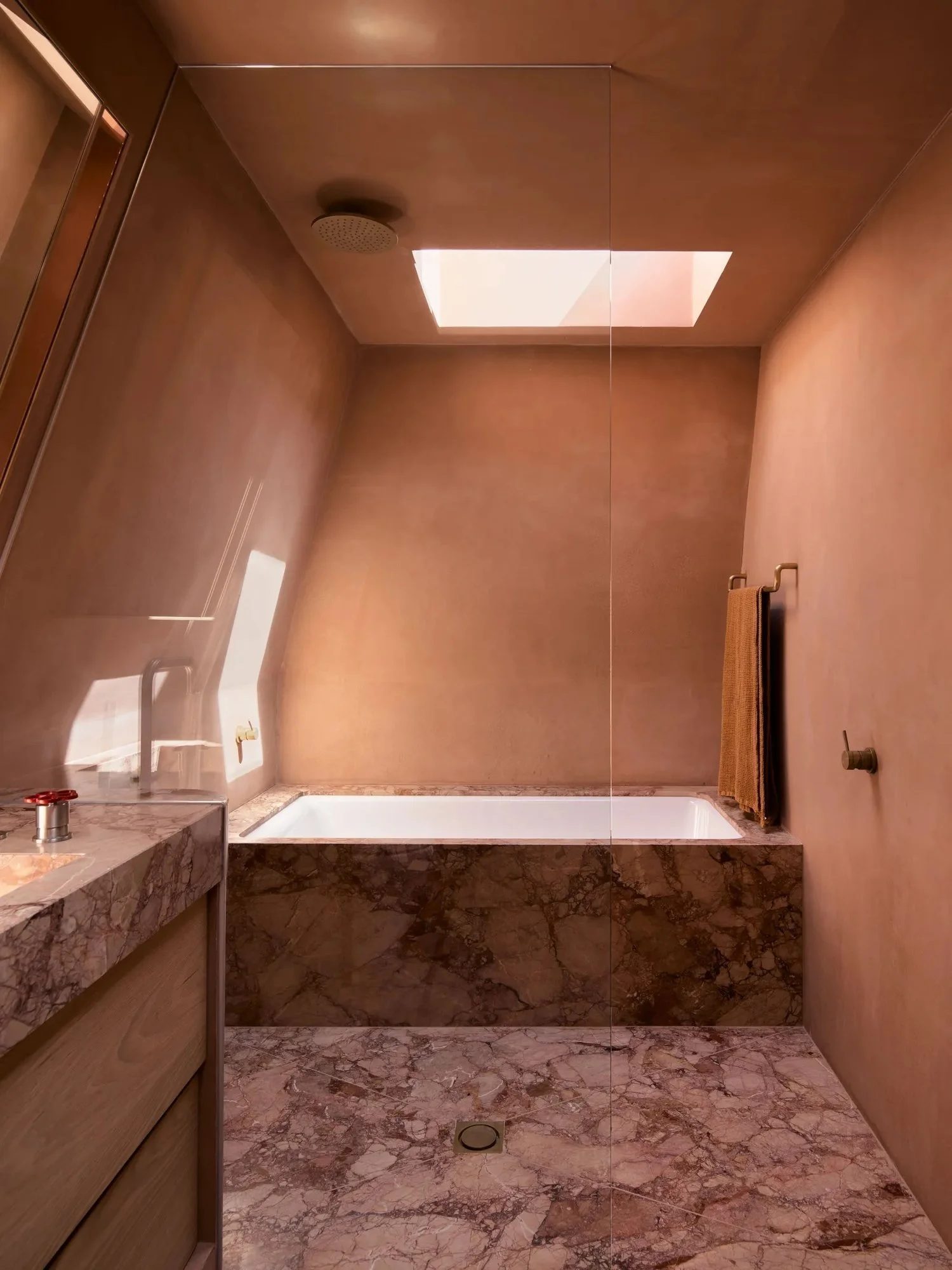
Monochromatic palettes are in. We’re seeing a rise in tonal spaces that are enriched by by layers of texture and materiality, creating depth without the need for multiple colours.
As interiors become more restrained, the focus shifts to the subtleties of a space: the way light moves across a surface, the variation between finishes, and the architectural volumes themselves. The result is interiors that feel rich and tactile while remaining restrained. In many ways, texture has become the new accent colour.
Read More: How Texture Shapes Emotions in Design
3. The Rise of Monolithic Design
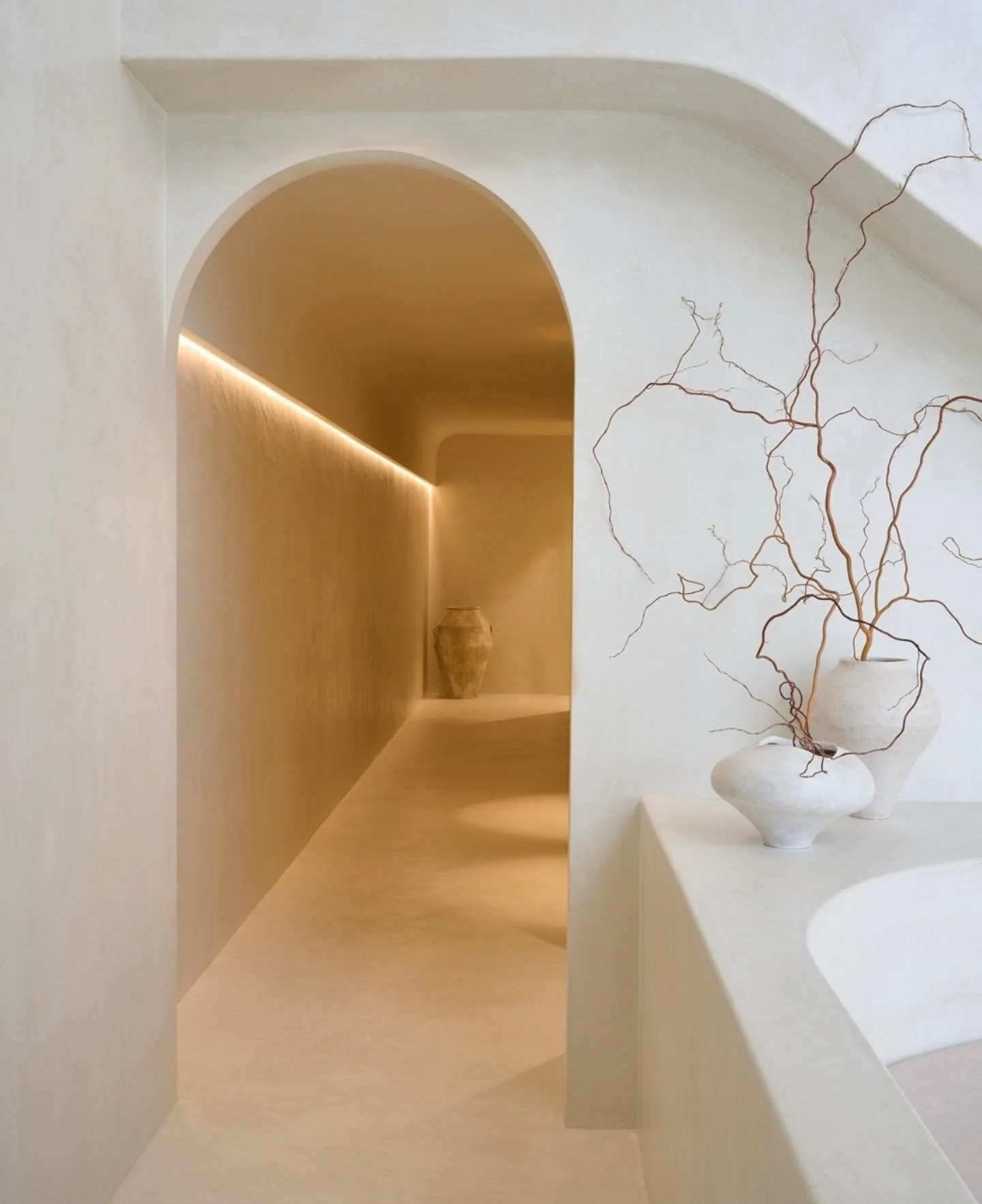
Designers are embracing materials that create a sculptural, almost carved appearance. The fluid contours of microcement and rendered finishes are particularly suited to blurring the lines between surface and structure, creating spaces with a stronger architectural presence.
Related Reading: Design Elements to Complement Microcement
4. Warm Minimalism Is Maturing
Minimalism isn't disappearing, but it's evolving. The sharp lines, cool tones, and sleek textures that defined hyper-minimalist interiors are giving way to softer forms and warmer palettes.
Organic forms, natural materials with patina, and earthy tones are helping minimalist spaces feel more welcoming and lived-in rather than sparse or clinical. This shift reflects a broader desire for homes that prioritise comfort without sacrificing design.
Read More: What is Soft Brutalism? Modern Minimalism Defined

As design continues to move towards simplicity and permanence, materials that offer texture, continuity and timeless appeal are becoming increasingly important. 2026 is about allowing architecture, materiality and craftsmanship to speak for themselves.