
The Renovation Shortcut Most Homeowners Don't Know Exists
When most people picture a renovation, they imagine dust, skip bins, heavy machinery and weeks of disruption. For decades, replacing a floor or wall finish meant removing the existing surface first. Tiles had to be ripped up, concrete had to be jackhammered, and the demolition phase was simply accepted as part of the process. But what if the biggest part of the renovation could be skipped altogether?
Today, more designers and homeowners are discovering a renovation shortcut that can dramatically reduce time, waste and disruption: overlays. Yep, this is where you apply a new finish directly over existing surfaces.


Why Clients Are Sick Of Demolition
Demolition creates a chain reaction. Labour costs increase, waste disposal adds up, construction timelines extend and other finishes can be damaged during removal — to name a few of the inconveniences. In many renovations, the demolition phase becomes one of the most expensive and disruptive parts of the project.
The Shift Towards Overlay Systems
Modern renovation methods have challenged the idea that everything needs to be removed. Instead of starting from scratch, it allows you to just work with the existing substrate.
Overlay systems allow new finishes to be installed over materials such as:
This approach can significantly reduce renovation time while achieving a completely different aesthetic outcome.
Why Microcement Overlays Are In Demand
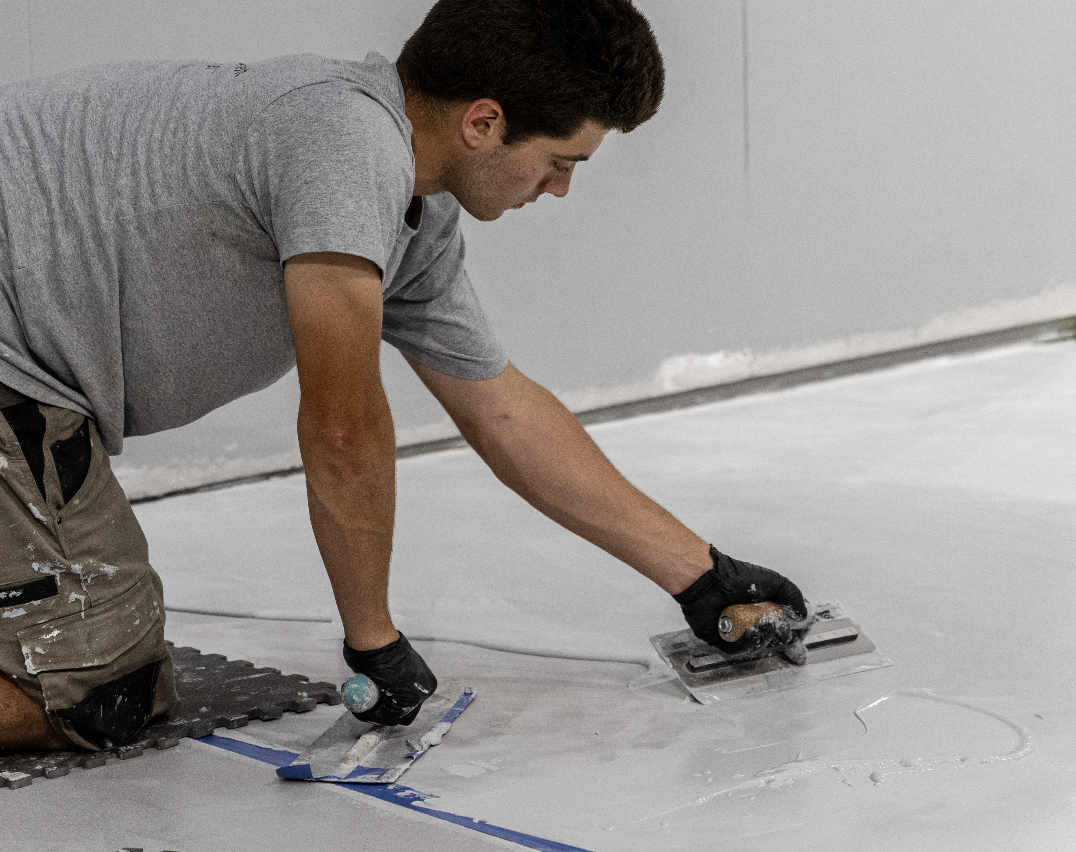
Microcement is an overlay finish capable of delivering a surface transformation without requiring full demolition. It’s applied in thin layers by hand using a trowel and other specialised tools, creating a seamless and tactile finish on existing floors, walls, ceilings, joinery and wet areas including bathrooms.
This allows homeowners to completely change the appearance of their finishes without the extensive removal process traditionally associated with renovations. Beyond achieving new aesthetics, avoiding demolition with microcement resurfacing can offer several practical advantages:
Less disruption: Clients can remain in their homes during portions of the renovation process.
Grout-free finish: Microcement creates a seamless coating with no grout lines or joints to trap mold and dirt.
Reduced waste: Existing materials remain in place rather than being sent to landfill.
Faster project timelines: Eliminating demolition removes one of the largest stages of a renovation.
Greater design flexibility: The same finish can be applied across floors, walls and joinery for a cohesive result.
For more information on microcement’s benefits, read our article: How The X-Bond Overlay Redefines Surfaces
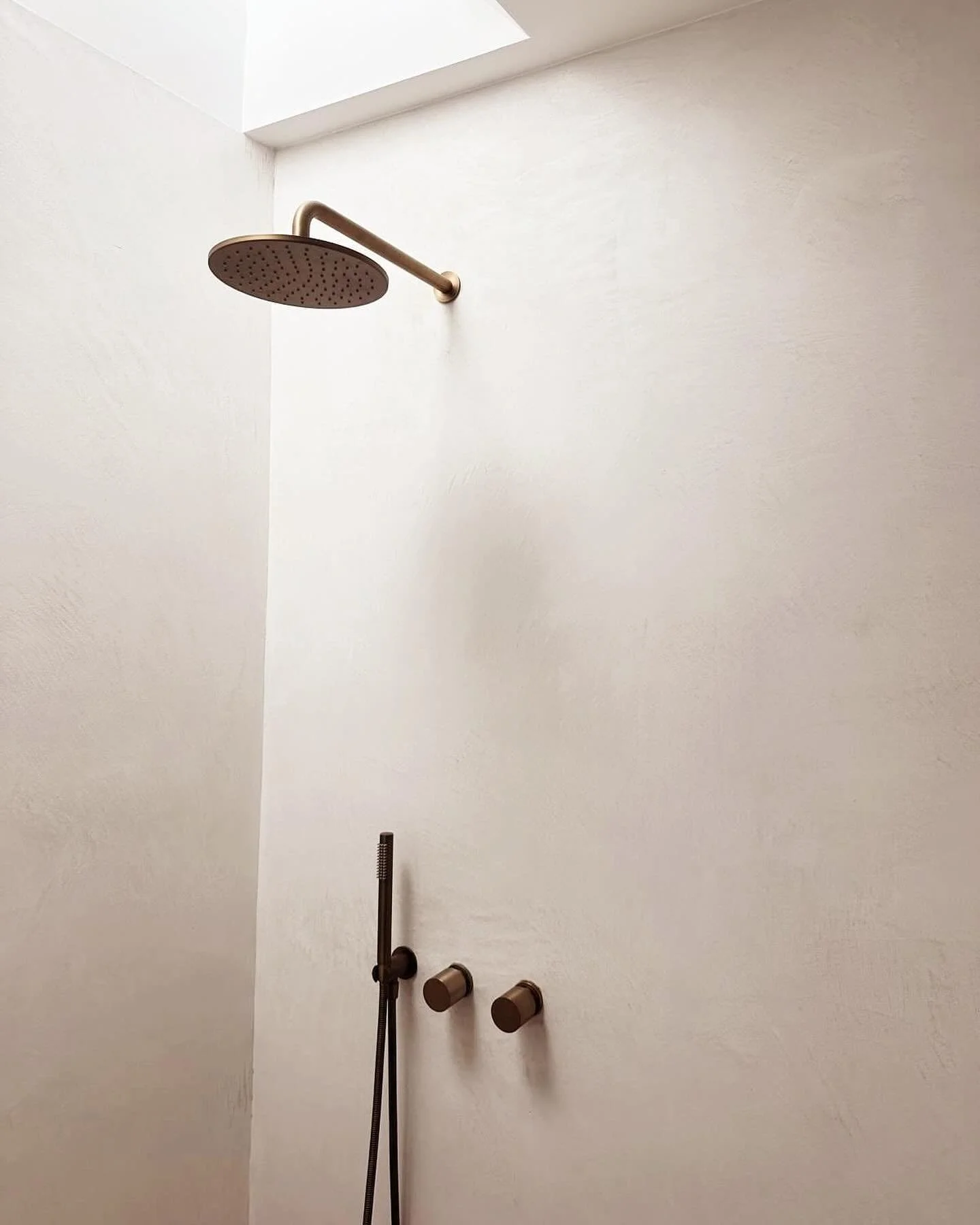


The biggest renovation breakthrough isn't a new material or a new design trend — it's the fact that you can remodel old surfaces without removal. As homeowners look for smarter, faster and more sustainable ways to renovate, microcement overlay systems like X-Bond are proving that sometimes the best shortcut is simply building on what's already there.