
Is Your Concrete Surface Suitable for a Microcement Overlay? A Checklist
One of the biggest misconceptions about overlay materials like microcement is that the existing substrate needs to be in perfect condition before resurfacing. It doesn't.
If you’re resurfacing concrete and it’s stained, discoloured, has minor cracks or surface wear, it can still be covered with microcement.
However, not every concrete surface is a suitable candidate. If the slab is structurally compromised, actively moving, or suffering from significant moisture issues, these problems need to be addressed first. An overlay is designed to transform the appearance of concrete — not to disguise underlying structural defects.
This checklist will help you determine whether your concrete is suitable for microcement, and what warning signs to look out for before installation.
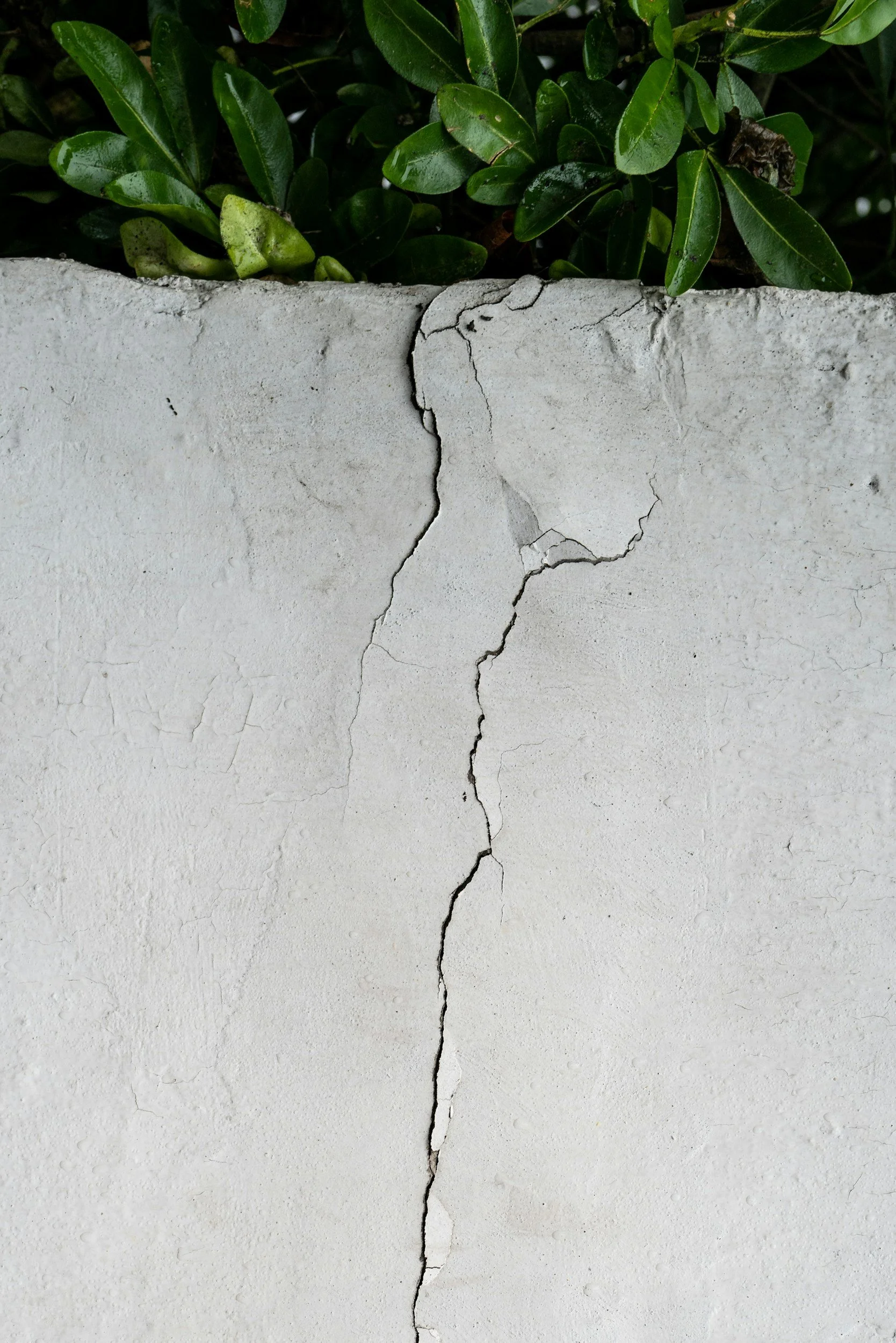
First: What Actually Makes Concrete Unsuitable?
Before assessing your slab, it's important to understand that microcement overlays aren't the same as structural concrete. They're thin, high-performance surface finishes designed to transform the appearance of an existing substrate, not replace or strengthen it. (Read more about the differences between microcement and concrete here.)
Cosmetic imperfections rarely prevent an overlay from being installed.
Things like:
surface staining
paint marks
minor chips
discolouration
hairline scratches
can almost always be addressed during surface preparation.
Instead, applicators will look for issues that affect the structural integrity, stability, or movement of the slab beneath. Because an overlay is only as strong as the substrate it's bonded to, any underlying defects should be identified and addressed before installation.
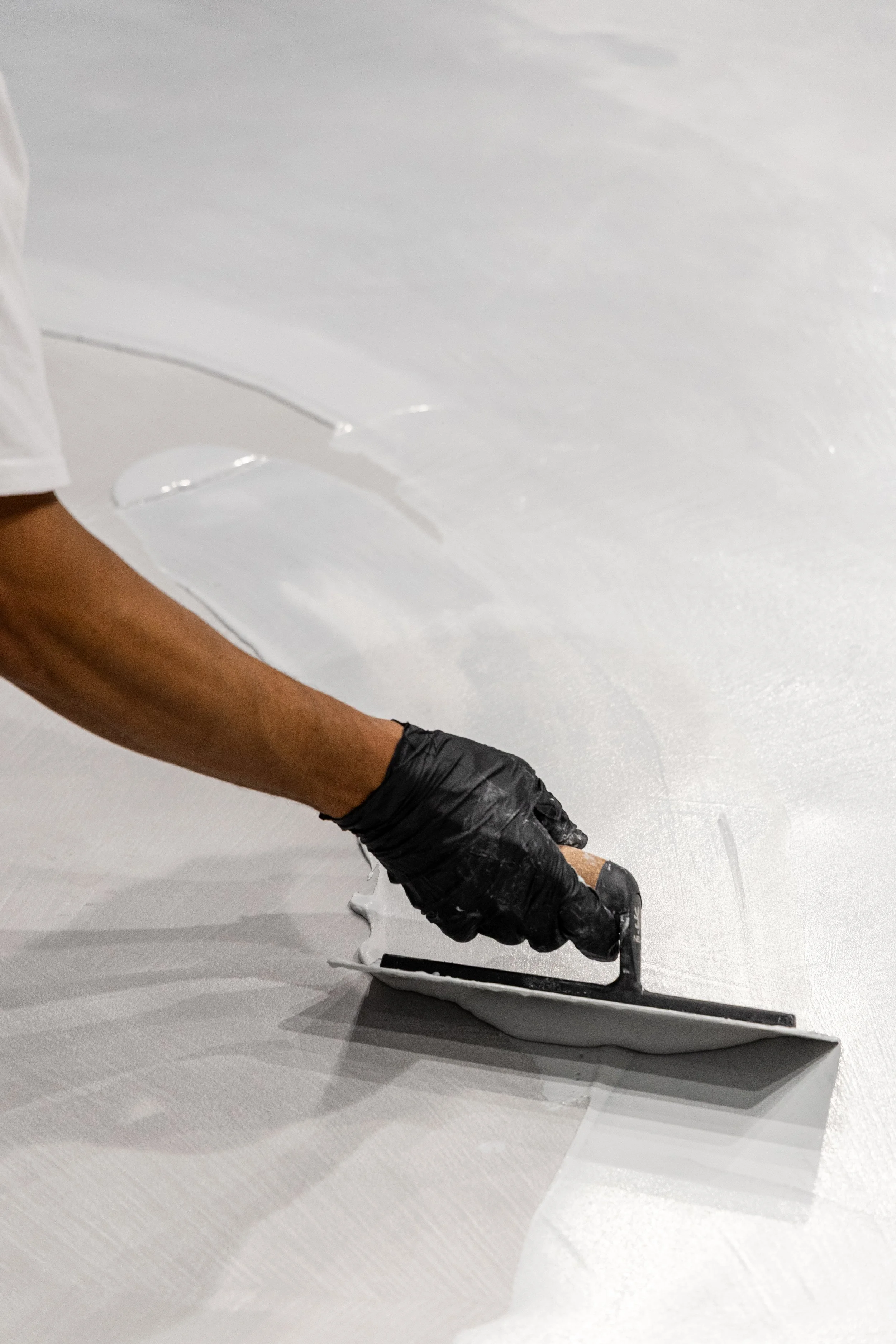
Concrete Overlay Suitability Checklist
Is the Concrete Stable and Structurally Sound (Not Moving)?
This is the most important question. The slab should be:
Solid underfoot
Free from major movement
Not breaking apart or deteriorating
If sections of concrete are loose, crumbling, or lifting, these areas may need to be removed and repaired before resurfacing.
The biggest concern to the longevity of an overlay is ongoing substrate movement. This can lead to substrate failure and risk compromising the finishes applied on top. Signs of movement include:
One side of a crack sitting higher than the other
Cracks that increase noticeably in size over time
Large areas that sound hollow
Slabs rocking under load
Related Reading: How The X-Bond Finish is Redefining Surfaces
Evaluate the Cracks
Not all cracks are a cause for concern. In fact, cracking is a natural part of concrete and doesn't automatically mean an overlay isn't possible.
Static (Dormant) Cracks are the most common. These are typically shrinkage cracks that formed as the concrete cured and are no longer moving. Once properly repaired or filled as part of the preparation process, they can usually be resurfaced successfully.
Moving (Active) Cracks require further investigation. If a crack is continuing to widen, one side has shifted higher than the other, or it indicates a deeper structural issue, applying an overlay over the top is likely to result in the crack reflecting through the new surface over time.
Are There Moisture Problems?
If water is continually travelling through the slab, it can eventually affect the bond between the overlay and the substrate.
Potential warning signs include:
Persistent damp patches
White powdery deposits (efflorescence)
Water entering through cracks
Rising moisture from below
If there are moisture issues, waterproofing or moisture mitigation may be required before the overlay is installed. Simply applying a decorative finish over a damp substrate won't solve the underlying problem and can compromise the long-term performance of the system.
Our X-Bond Microcement system includes Liquid Membrane, a high-performance waterproofing and anti-fracture membrane. It helps protect the overlay from moisture ingress while also accommodating minor substrate movement — two benefits in one advanced formula.
It's important to note that waterproofing isn't a substitute for fixing major underlying moisture problems. Persistent water ingress, hydrostatic pressure, or drainage issues should always be identified and addressed before resurfacing to ensure a long-lasting installation.

Is the Existing Surface Clean and Properly Prepared?
One of the biggest factors affecting the success of any overlay isn't the product, but the preparation. The concrete needs to be free from contaminants that may interfere with adhesion, including:
Grease
Oil
Waxes
Sealers
Curing compounds
Loose paint
Dust and debris
X-Bond applicators will clean and grind concrete before our microcement system is applied.
Is the Surface Level Enough?
While overlays like microcement can be applied on surfaces that slope, they must be smooth. That means that unevenness needs to be corrected before installing the decorative finish. IIn some cases, this can be resolved using the X-Bond system itself. But significant irregularities may require levelling compounds or screeds.
Thinking About Resurfacing Your Concrete?
Decorative concrete overlays, including microcement systems like X-Bond, are incredibly durable when installed over a properly prepared substrate. That's why experienced applicators spend so much time assessing and preparing existing concrete, tiles, and other materials before the overlay finish is ever applied.
Read Next: Microcement Problems and How to Avoid Them
At Seamless Overlays, we supply the X-Bond Microcement system and provide training for professional applicators across Australia. If you're unsure whether a concrete surface is suitable for resurfacing, our team can connect you with an experienced X-Bond installer in your area for an assessment.