
The Evolution of Minimalist Architecture
Minimalism has become one of the most influential design movements of the modern era. Defined by clean lines, uncluttered spaces, and a focus on functionality, minimalism continues to shape spaces around the world — to the point where it’s the default for many designers. Clarity, practicality, and restraint are no longer exclusive to a category of “minimalism”, but rather principles that most contemporary architecture and interior projects draw on to some degree.
But how did we get here?
The Origins of Minimalist Architecture
The roots of minimalist architecture can be traced back to the early 20th century, particularly through movements such as Bauhaus and Modernism which began as a reaction against the traditionalism and excessive ornamentation of previous eras.
Influential architects of the time shunned elaborate cornices and mouldings, compartmentalised room layouts, intricately embellished furniture, patterned wallpapers, gilded facades… The list goes on.
Instead they championed the concept of "less is more," advocating for spaces that stripped away all unnecessary decoration in favour of pure form and function. These early pioneers recognised that simplicity and practicality created spaces that were enduringly beautiful and enhanced wellbeing.
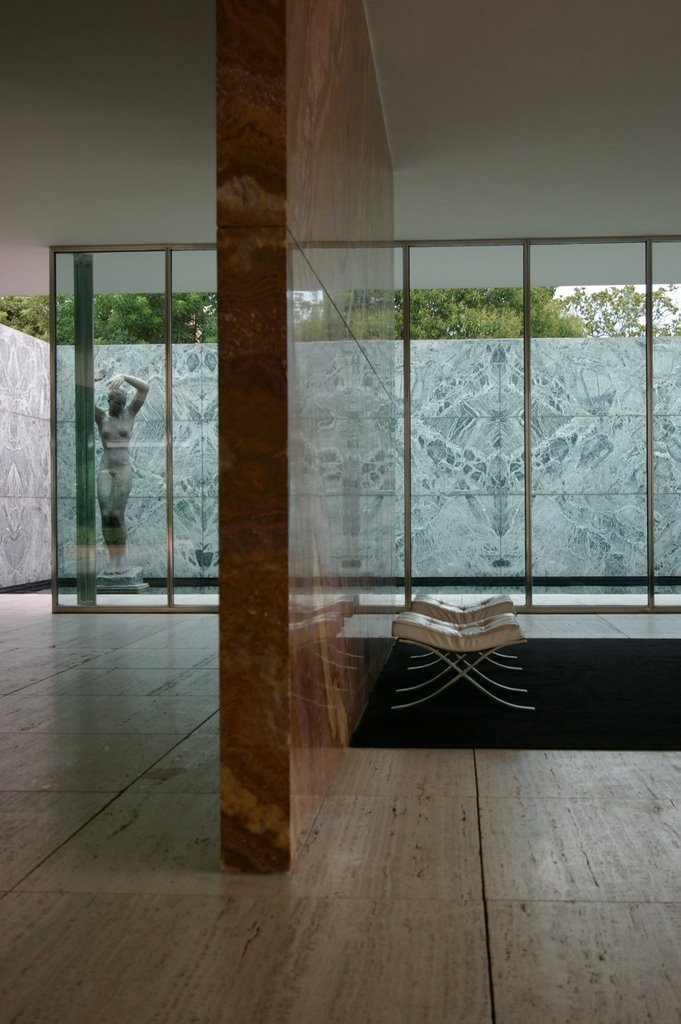
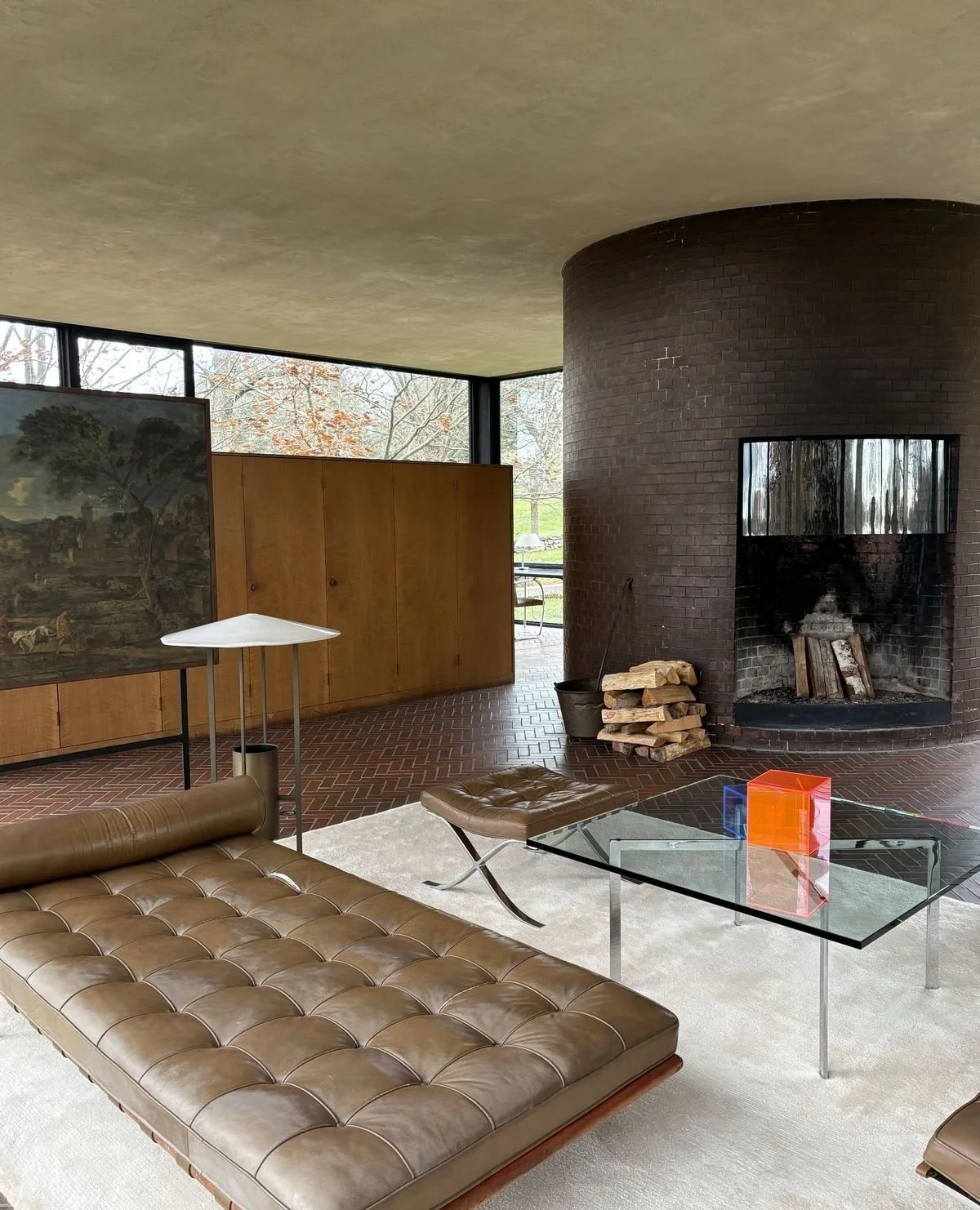
Along came features like flat roofs, wall-to-wall windows, open floor plans, hidden storage, and furniture with no frills (like Mies van der Rohe's famous Barcelona Chair) — elements that accentuated clean geometric lines, abundant natural light, and a greater sense of clarity.
These qualities shifted the focus away from decoration and towards the experience of space itself, an approach that continues to underpin minimalist design today even as it remains open to interpretation in many ways.
Minimalism in the Mid-Century Era
As these principles gained traction from the mid-1900s, architects began experimenting with new construction methods and materials. Large expanses of glass, exposed concrete, and steel structures created buildings that felt at once lighter, more open and connected to their surroundings — yet still dynamic and expressive.
This period established many of the architectural features we associate with minimalism today:
Open-plan living spaces
Neutral colour palettes
Clean geometric forms
Strong connections between indoor and outdoor environments
Reduced visual clutter
Streamlined furnishings
The emphasis shifted from decorative details to the quality of space itself, creating environments that felt calm, balanced, and purposeful. Think "substance over spectacle".
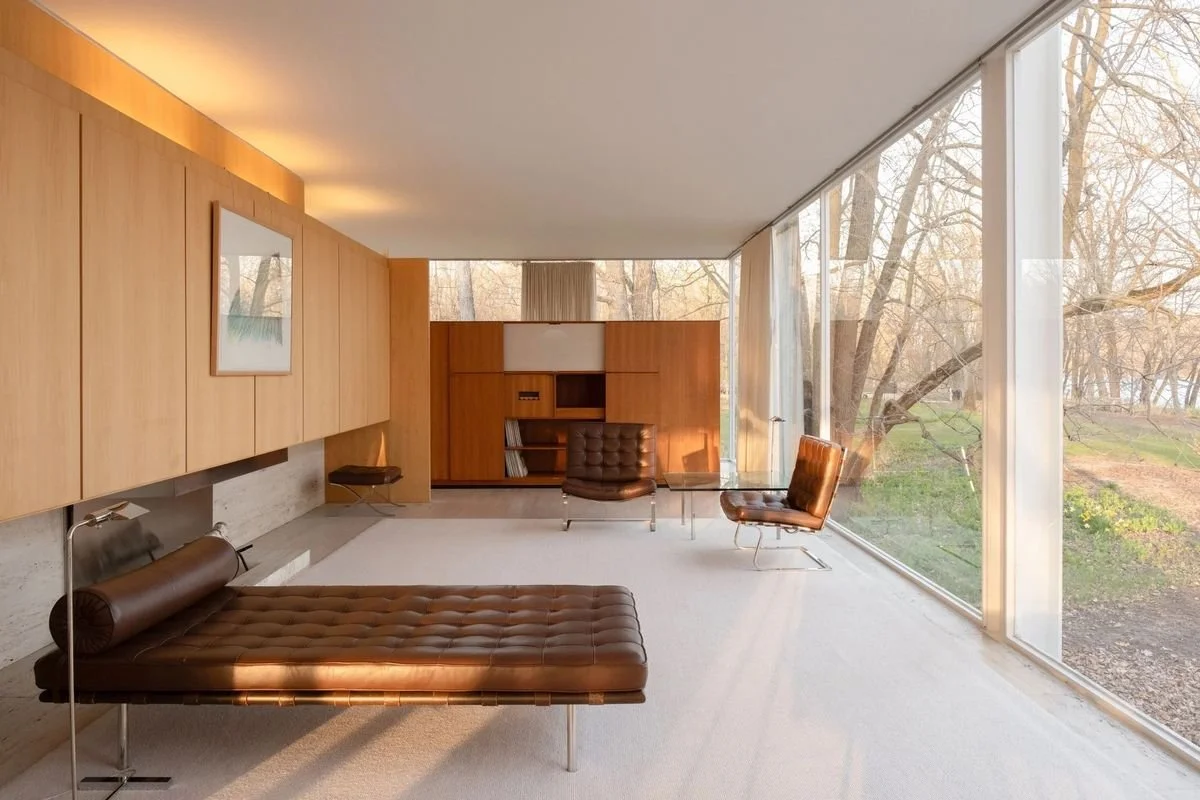
The Farnsworth House, 1951
Contemporary Minimalism
While minimalist architecture has evolved over the decades, its core principles remain unchanged. Simplicity, functionality, and intentionality continue to define the movement.
What has changed is how these principles are expressed. Contemporary minimalist design has moved beyond the sometimes rigid interpretations associated with earlier periods. Today's architects and designers have widened minimalism’s appeal with more eclectic applications, maintaining visual simplicity while still incorporating personality, comfort, texture, and other characteristics thought to require decorative embellishment.
As such, contemporary minimalist projects often incorporate:
Natural building materials
Rich textures and layered finishes
Warm, earthy or even bolder colour palettes
Seamlessly integrated architectural elements
The goal remains the same — to eliminate unnecessary distractions and allow the architecture itself to take centre stage — but with a greater emphasis on comfort, liveability, and multi-sensory experiences.
This evolution has created a growing demand for materials that offer visual continuity, understated texture, and timeless appeal, making seamless finishes an increasingly popular choice in contemporary minimalist spaces.
Related Reading:
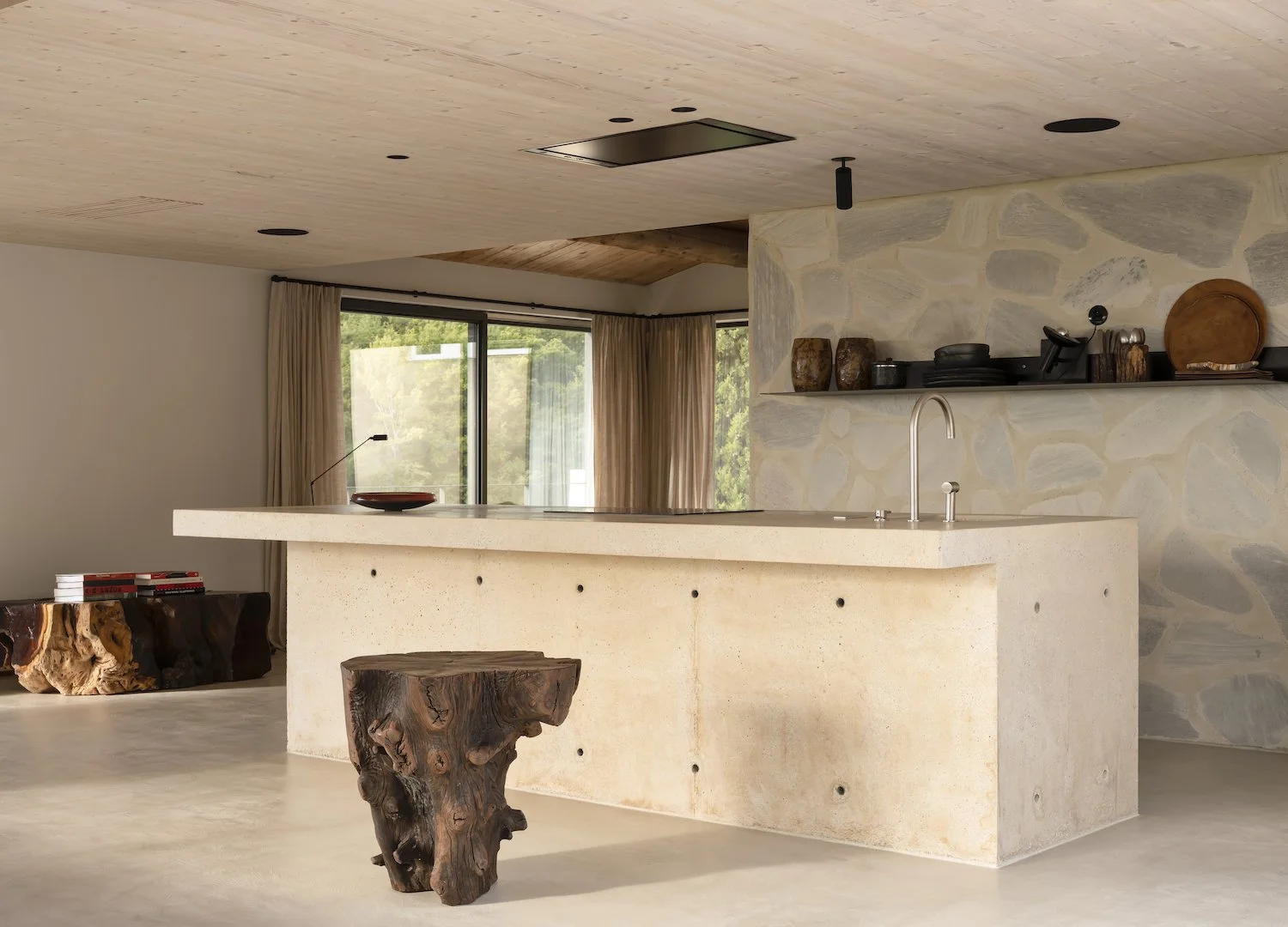

Where Does Microcement Fit In?
At Seamless Overlays, we have a particular appreciation for minimalism because microcement plays such a vital role in bringing minimalist architectural visions to life.
Aligned with the focus on simplicity, a defining trend in contemporary minimalist architecture is the use of seamless surfaces. Traditional materials — timber floorboards, tiles, stone slabs — can introduce visual interruptions through grout lines, joints, or transitions between finishes.
Architects and designers increasingly seek materials that create uninterrupted visual flow across floors, walls, bathrooms, joinery, kitchens, and commercial interiors. This is where microcement has become a preferred solution.
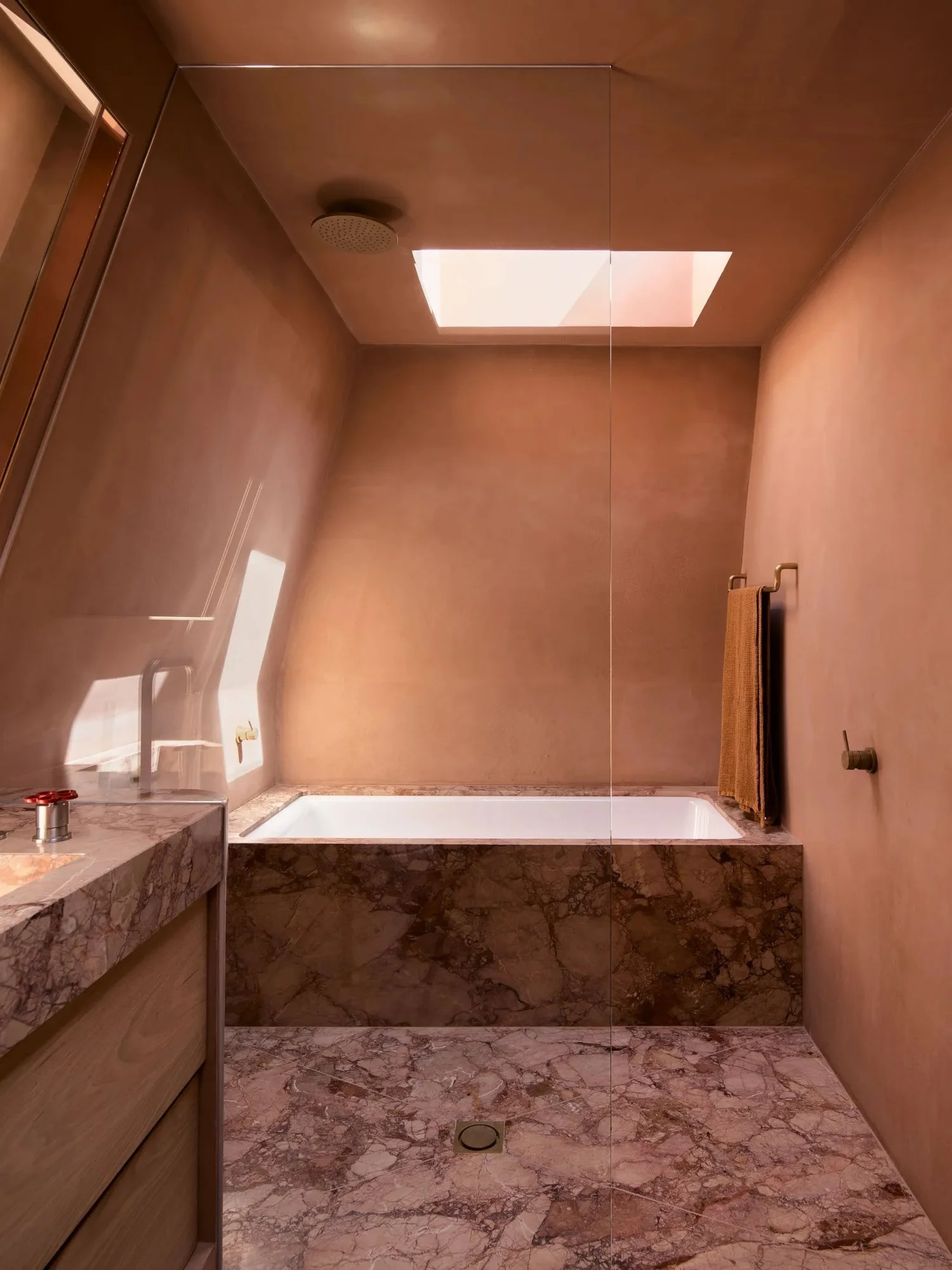
Microcement offers a continuous finish that is applied by hand to floors, walls, ceilings and joinery. Generally installed using a trowel, it achieves smooth and seamless surfaces with textural and tonal variations.
In this, it supports contemporary minimalist design by allowing the architecture, proportions, light, and materiality to take centre stage, rather than drawing attention to individual surface transitions or decorative details. At the same time, microcement is a multi-dimensional finish, with subtle visual variations and mineral tactility that contribute to a richer sensory experience. The result is a surface that maintains the clarity and simplicity of minimalist design while introducing depth, warmth, and a strong sense of authenticity.
Read More:
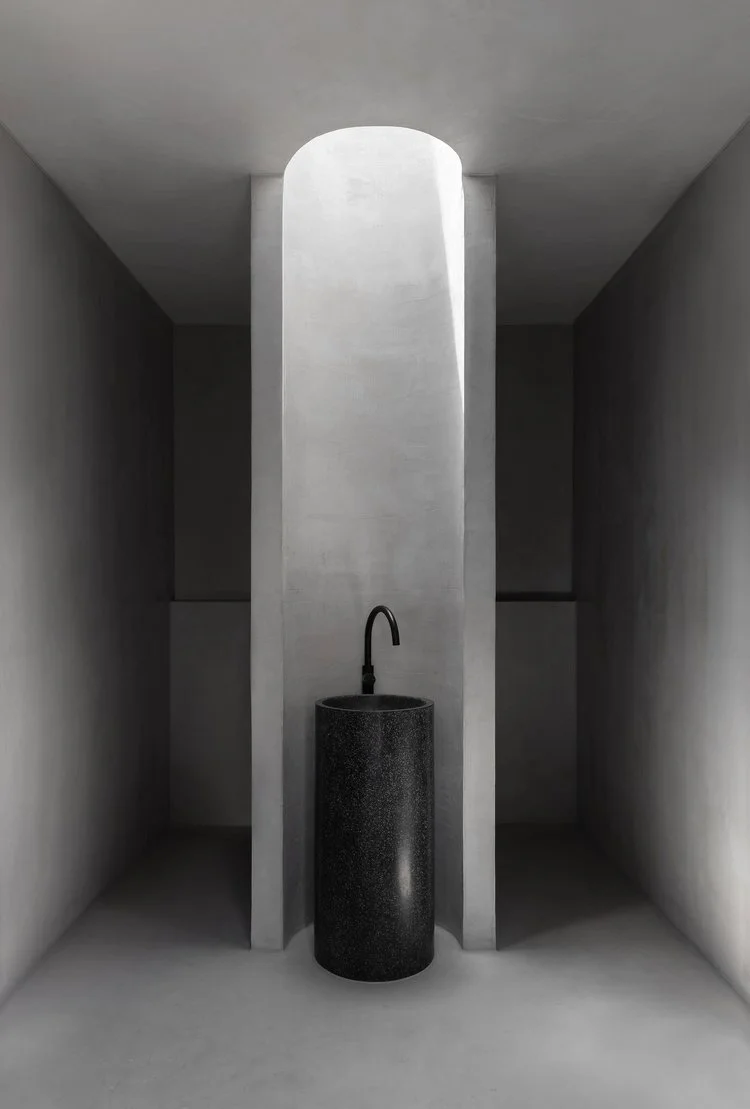
The fundamental principles of minimalist architecture remain as relevant as ever. Simplicity, functionality, and thoughtful design continue to guide architects in creating spaces that feel purposeful, timeless, and connected to the way we live.
Seamless finishes such as microcement have become an important part of this evolution. By combining understated aesthetics with versatility and performance, microcement supports the enduring goal of minimalist architecture: creating environments where every element has purpose and nothing feels unnecessary.