
Microcement vs. Other Materials: An In-Depth Comparison (X-Bond Microcement Guide)

When choosing a surface finish for floors, walls, joinery or wet areas, the options can feel overwhelming. If you’re wondering whether microcement is worth it, hopefully this can help.
Microcement balances aesthetics, durability, and versatility in a way few other materials can. It works just as effectively on floors as it does on walls, in wet areas, and even on joinery, all while delivering a seamless, customisable finish. And among microcement systems, there’s a reason we’ve been backing X-Bond for over 25 years.
So how does microcement — and our product specifically — actually compare to traditional materials like tiles, stone, concrete and epoxy? Let’s break it down in a practical, no-nonsense way so you can make an informed decision.
What Is X-Bond Microcement?
Microcement is a cement-based surface coating system applied in thin layers over a prepared substrate to floors, walls, ceilings, joinery, bathrooms, and even outdoor areas. Unlike poured concrete, microcement installation doesn’t require demolition or heavy machinery. Application is similar to plastering.
X-Bond is the name of our microcement system. It’s formulated with an innovative blend of natural stone and latex polymers, with specialised waterproofing and sealing integrated into the system — which makes it stronger, more adhesive, and more flexible than others on the market.
Microcement vs. Tiles
Microcement and tiles are two popular choices for bathrooms and other wet areas such as kitchen splashbacks. While tiles have long been a go-to for durability and variety, microcement offers a seamless, contemporary alternative that’s quickly gaining traction in both residential and commercial spaces.
Aesthetics:
Although tiles can come in a wide range of colours, glazes, and mosaic arrangements, they all require grout lines — microcement doesn’t. It’s applied in continuous, even coats so the finished surface is totally seamless, eliminating visual breaks.
Texturally, microcement is also more tactile and organic, with subtle tonal variation and movement across the surface that provides a softer, more natural aesthetic compared to most tiles. You can find some really interesting artisanal hand-made ceramics that have beautiful organic variations.
Maintenance:
Grout is often the weak point with tiles. It stains, cracks, and requires scrubbing — especially in showers and other wet areas. Microcement removes that issue entirely, making it a lot easier to maintain. It’s a big reason why microcement bathrooms are so popular.
Installation:
Both materials are applied by hand, but tiles require removal of existing materials if being used in renovations to replace old finishes. Microcement can be applied over existing tiles, and other materials too, provided they are stable and properly prepared.
Durability:
Both are durable, but tiles can crack individually and grout failure can compromise waterproofing. Microcement is not only highly resistant to wear/impact, but behaves as a continuous system without single weak points for water ingress or integrity issues. Failures in microcement are usually linked to substrate movement or poor prep, not the material itself.
Related Reading: Tile Resurfacing With Microcement

Microcement vs. Polished Concrete
When it comes to seamless flooring, microcement vs. concrete is the big debate. Both are strong, resilient finishes with a similar look and feel. The biggest differences lie in application and performance. Below is an overview, but make sure you read this comparison of Microcement vs. Concrete for more.
Thickness & Weight:
Polished concrete is thick and heavy. Microcement is a thin overlay, making it ideal for renovations where clients want minimal load or height impact. If you’re resurfacing an existing floor, it’s the better option as it doesn’t require demolition or heavy machinery (especially important in multi-level construction).
Installation Complexity:
Polished concrete installation is more time-intensive and not suitable for all surfacing projects — it’s mostly specified on floors. Applied with a trowel by hand, microcement is quicker and easier to install, as well as far more adaptable to a wider range of surface types. Floors, walls, joinery, ceilings, furniture, showers… the list goes on. This means microcement is the better choice if you want to surface multiple areas with a consistent, seamless finish.
Cracking:
Concrete slabs are prone to cracking over time. Microcement systems include reinforcement layers and formula modifications to help manage minor movement — but success depends on proper installation. What makes X-Bond different is added polymers for extra flexibility to resist cracking.
Read More: How to Avoid Microcement Cracking & Other Issues
Finish Control:
Microcement offers more flexibility in texture and colour compared to polished concrete, allowing for a wider range of finishes. And because it’s hand-applied, each installation can be tailored to suit the space using varying techniques, giving designers greater control over the final look than the more fixed appearance of polished concrete.

Microcement vs. Timber
Microcement and timber sit at very opposite ends of the design spectrum, one offering a sleek, seamless, subtly tactile finish and the other having natural character through grain, geometry and texture. Choosing between them often comes down to the balance between aesthetics, maintenance, and how the space will be used. To be honest, we love seeing microcement and timber used in combination. Timber works beautifully on wardrobes and joinery, while microcement is ideal for hardwearing surfaces like floors, walls, and wet areas where durability and a seamless finish are key.
Look & Feel:
Ultimately, the choice in aesthetic comes down to design preference. Timber offers warmth and natural grain as a fundamental character regardless of stain, plank size, or arrangement.
Microcement delivers a minimalist, architectural aesthetic with subtle textural and tonal variations. Its aesthetic can shift depending on the colours specified; your personal taste will decide where you lean.
Water Resistance:
Timber and moisture don’t mix very well. Microcement, when sealed correctly and combined with waterproofing measures, performs far better in wet areas like bathrooms, showers, laundries and kitchens. That’s why many clients are choosing microcement instead of timber for wet area joinery and flooring.
Durability:
Timber scratches and dents more easily. Microcement is more resistant to wear, particularly in exterior applications, though not indestructible. It has a reputation for being tough in high-traffic zones, which is why you’ll see more microcement than timber flooring in commercial buildings like offices and retail stores.
Maintenance:
Because it resists wear more effectively, microcement is generally lower maintenance than timber. While any material requires proper upkeep, a surface that is designed to better withstand weather exposure and daily use will naturally require less ongoing maintenance over time.
Ease of Application:
Timber is limited to flat, linear installations unless significant custom fabrication and detailing is introduced, which can increase both complexity and cost.
Microcement, on the other hand, can seamlessly wrap over curves, niches, stairs, and custom forms, making it far more flexible from a design perspective. This makes it especially suited to contemporary spaces where continuity across multiple surfaces or more architectural detailing is desired.

Microcement vs. Epoxy Flooring
Microcement and epoxy flooring are often compared as seamless surface solutions, but they differ significantly in both appearance and performance. While epoxy is typically associated with high-gloss industrial finishes, microcement offers a more natural, matte aesthetic with greater design flexibility, making the choice largely dependent on the look and feel you want to achieve.
Appearance:
Epoxy tends to have a more “plastic” or high-gloss look. Microcement offers a natural, matte or satin finish that feels closer to organic concrete.
Breathability:
Microcement systems are more breathable, which can be important in certain substrates. Epoxy can trap moisture, potentially leading to failure if not applied correctly.
Slip Resistance:
Both can be finished with slip-resistant coatings, but microcement generally provides a more tactile, natural feel underfoot. X-Bond can be applied with a specialised slip-resistant finish.
UV Stability:
Some epoxy systems can yellow over time with UV exposure, while high-quality microcement systems like X-Bond are more stable in this regard due to the sealers used. This is why it’s more common in outdoor spaces than epoxy.

Microcement vs. Natural Stone
Microcement and natural stone both deliver a high-end architectural finish, but they differ in how that look is achieved and applied. While natural stone offers inherent variation and a timeless, premium feel, microcement provides a more controlled, seamless alternative with greater flexibility across different surfaces and applications.
Seams & Joints:
Although using large format slabs can limit the impact of joint lines, they’re still a necessity; microcement is seamless.
Weight & Installation:
Stone is heavy and labour-intensive. Microcement is lightweight and adaptable.
Variation:
Every stone — from marble to travertine to granite — has natural variation that sits in its own visual category and can’t be replicated. Microcement too is always unique since it’s hand rendered, but it does offer more controlled, consistent finishes with customisable tones.
Cost Breakdowns
We haven’t included detailed cost comparisons as pricing for microcement varies depending on the project. Like other hand-applied finishes, costs are highly influenced by site-specific factors, so it’s best considered on a case-by-case basis rather than as a fixed comparison.
Cost Microcement vs. Tiles
Tiles can range widely in price depending on the selection. Microcement typically sits at a mid-to-high range, while you can find super cheap tiles. Although, microcement is generally more cost-effective in renovations as removal of exiting materials is avoided.
Cost Microcement vs. Polished Concrete
Polished concrete often comes with higher upfront costs due to structural work, pouring, and machinery, whereas microcement is generally more cost-effective for renovations since it can be applied over existing substrates.
Cost Microcement vs. Timber Flooring
Timber flooring varies from moderate to high cost depending on species and installation, while microcement sits in a similar or slightly higher range but can offer better longevity in high-wear or wet areas.
Cost Microcement vs. Epoxy Flooring
Epoxy is typically more budget-friendly upfront, especially for large industrial projects, whereas microcement is a higher-end finish with a greater focus on design and customisation.
Cost Microcement vs. Natural Stone
Natural stone is often more expensive, both in material cost and labour.
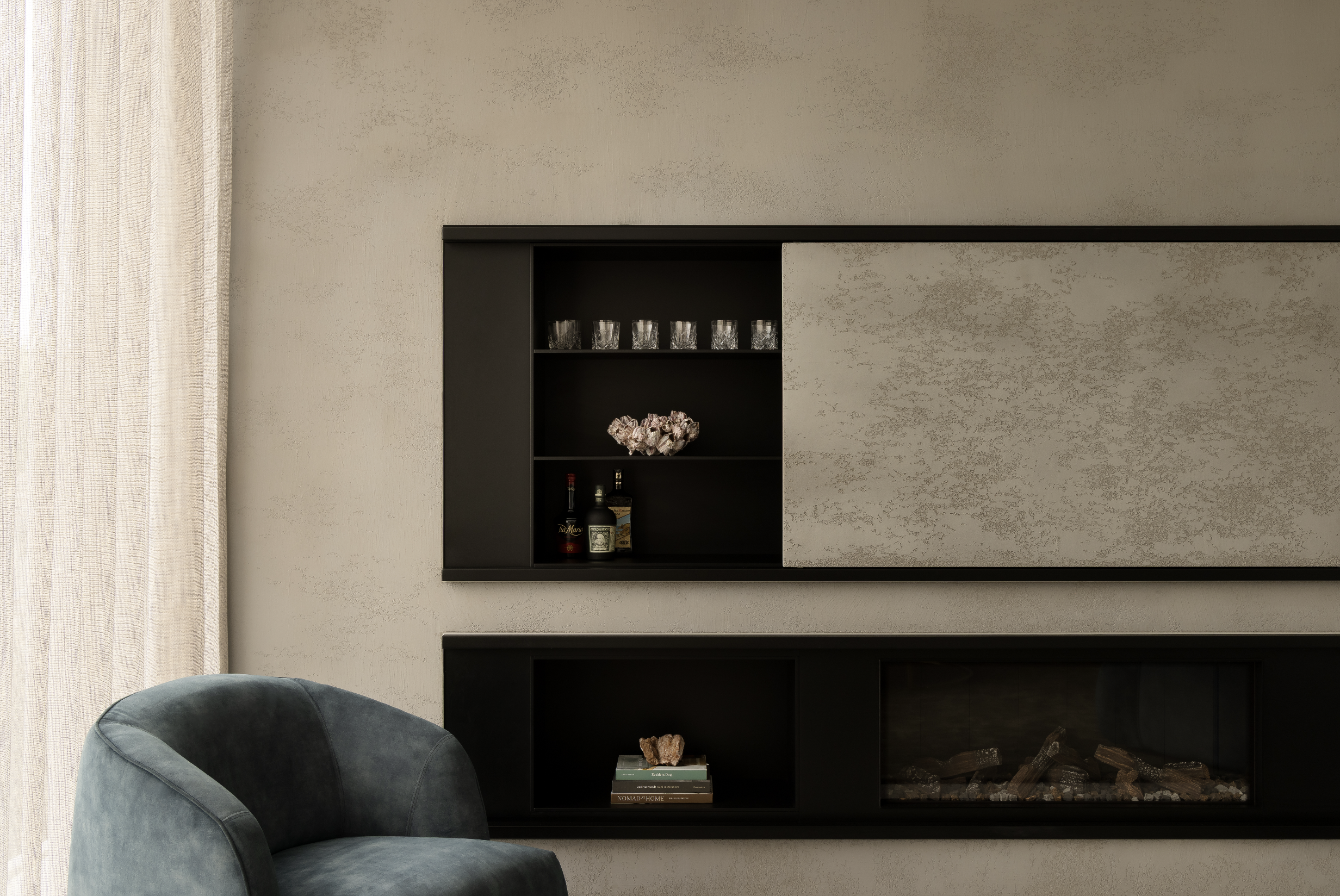
Summary: Key Advantages of X-Bond Microcement
Seamless, joint-free finish
Can be applied over existing surfaces (with correct prep)
Suitable for floors, walls, ceilings, joinery, wet areas, and outdoors
Wide range of colours and textures
Modern, architectural aesthetic
Reduced demolition in renovations
Important Considerations
Microcement isn’t a shortcut product, but a whole system. Its performance depends heavily on:
Substrate preparation
Moisture control
Skilled application
When these are done properly, X-Bond microcement is a long-term, high-performance finish. When they’re not, issues can occur just like with any material.
Final Verdict: Is Microcement Right for You?
If you’re after a seamless, contemporary finish that can adapt to almost any surface, X-Bond Microcement stands out against traditional materials. It bridges the gap between aesthetics and practicality, offering the strength of stone, the flexibility of a polymer-modified coating, and the ability to transform spaces without full demolition.
However, it’s not a one-size-fits-all solution. For heavily uneven surfaces, structural issues, or poorly prepared substrates, additional groundwork is essential. Done right, though, microcement is often the smarter upgrade.