
8 Reasons Why Microcement Bathrooms Are Trending
If you’re planning a bathroom project in 2026, microcement is quickly becoming one of the most requested finishes — especially for clients looking to move away from grout lines and toward a more seamless, architectural look.
In this article, we’ll share microcement bathroom inspiration and explore why so many of our clients are specifying X-Bond in bathrooms, from its clean concrete aesthetic to its durability, low maintenance, and versatility across surfaces.
After this, you should check out our Microcement Bathroom Hub.
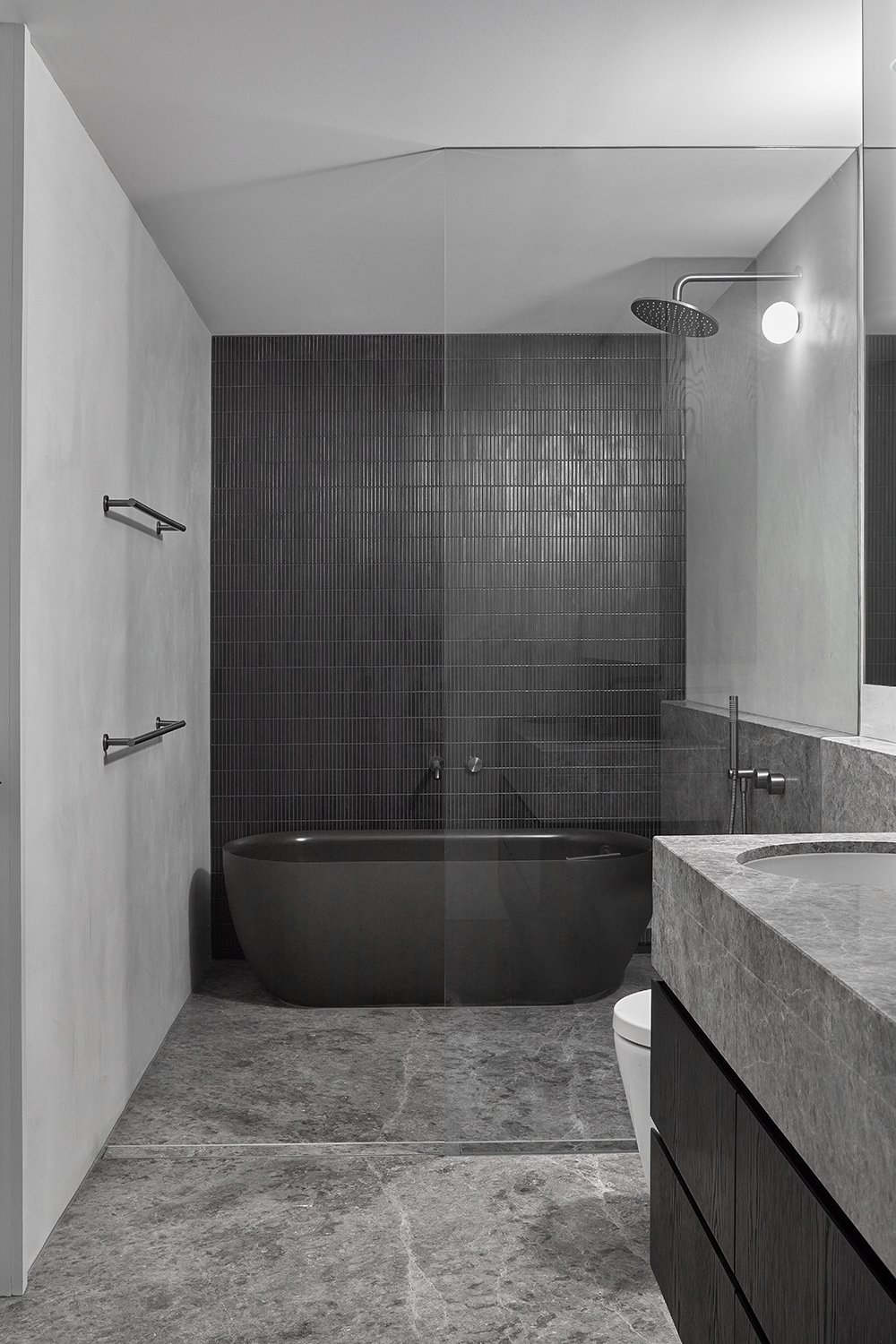
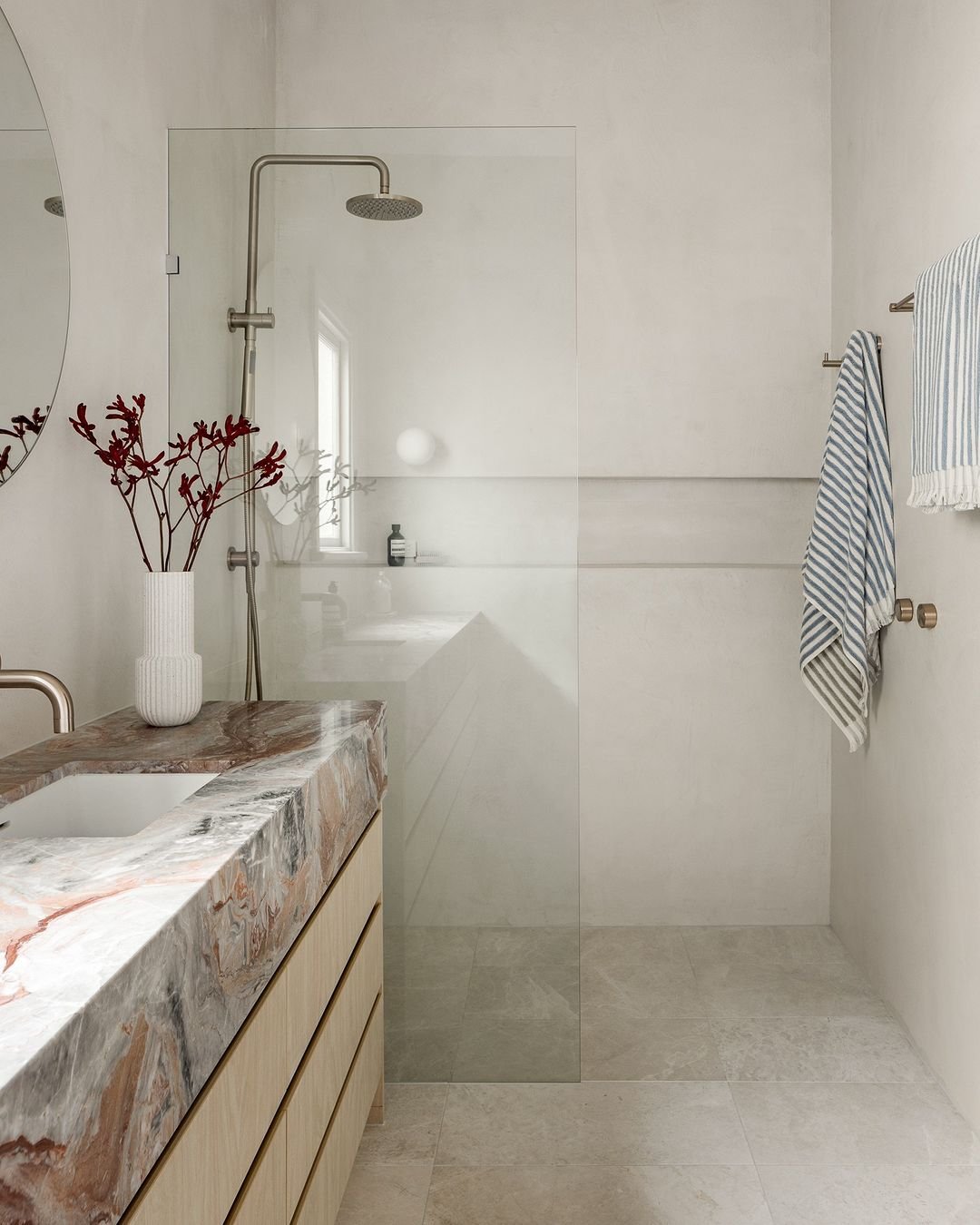
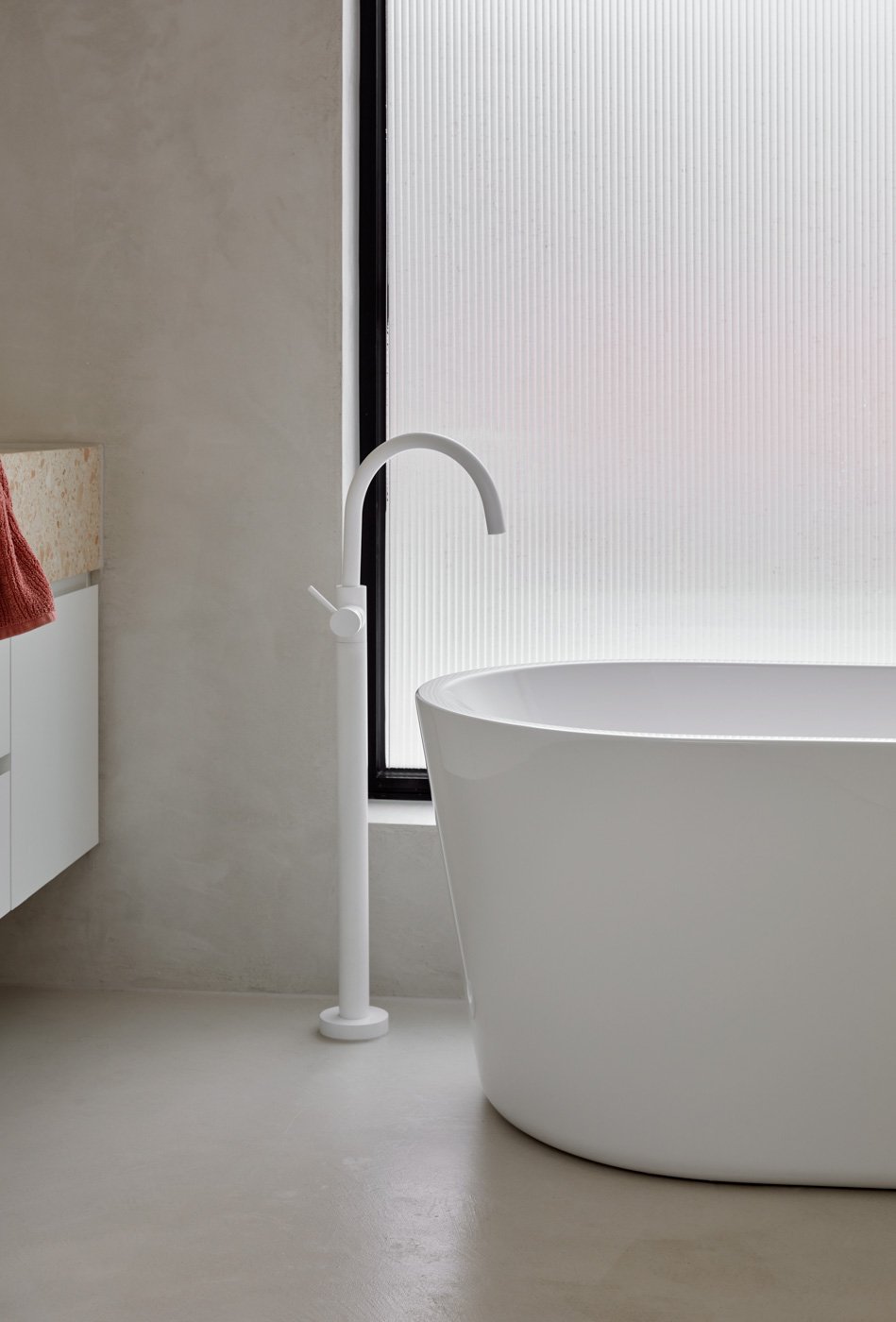
The seamless aesthetic.
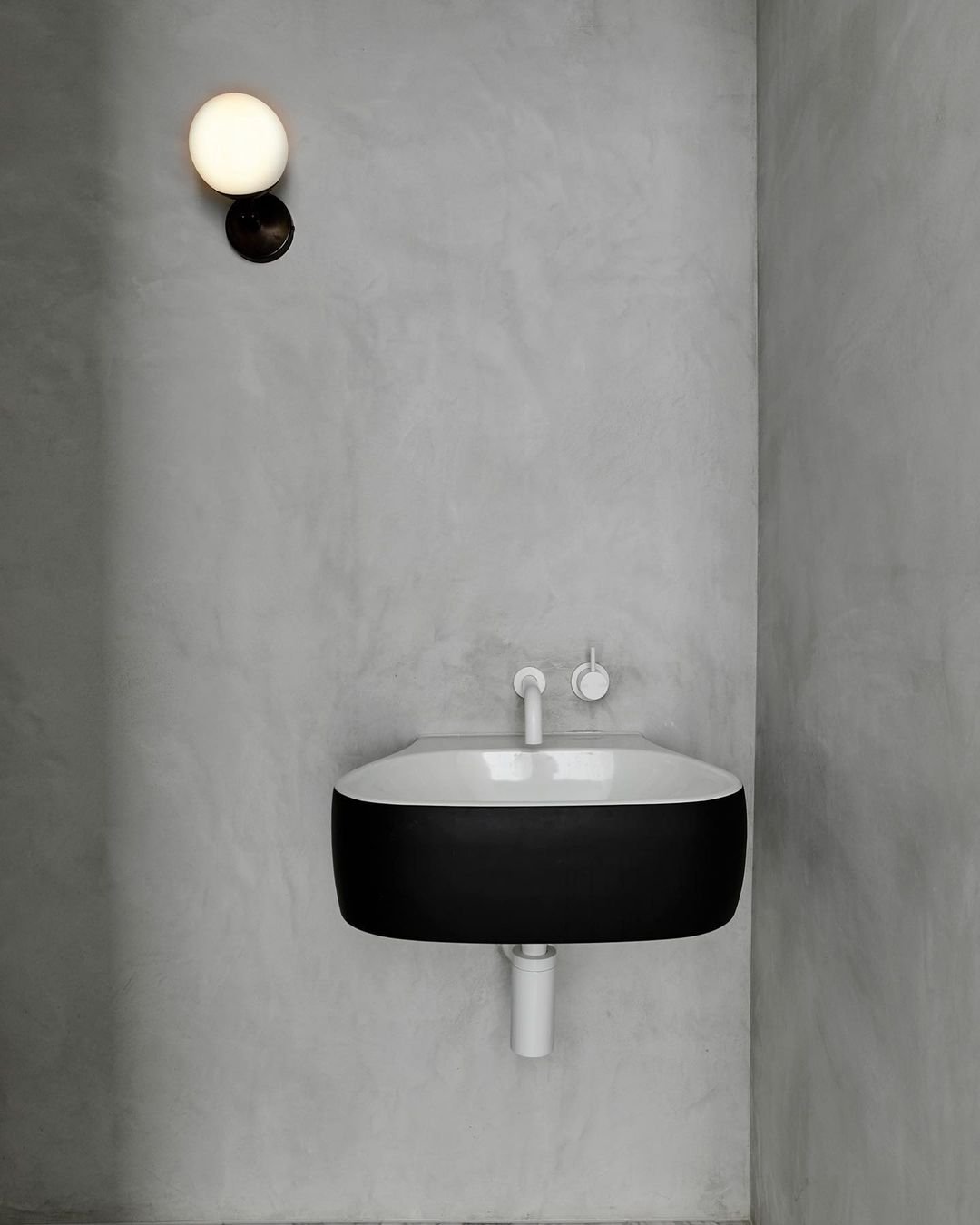
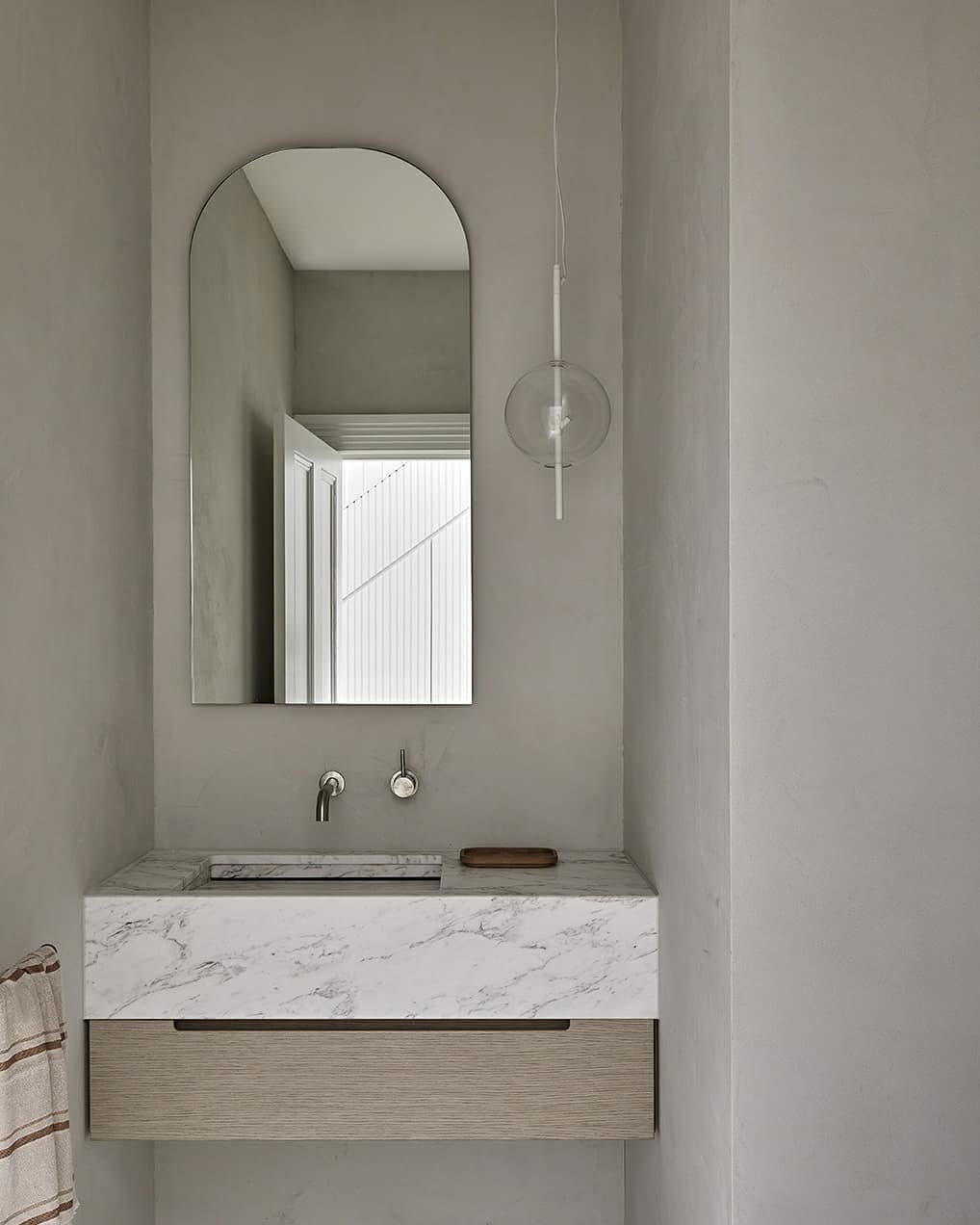
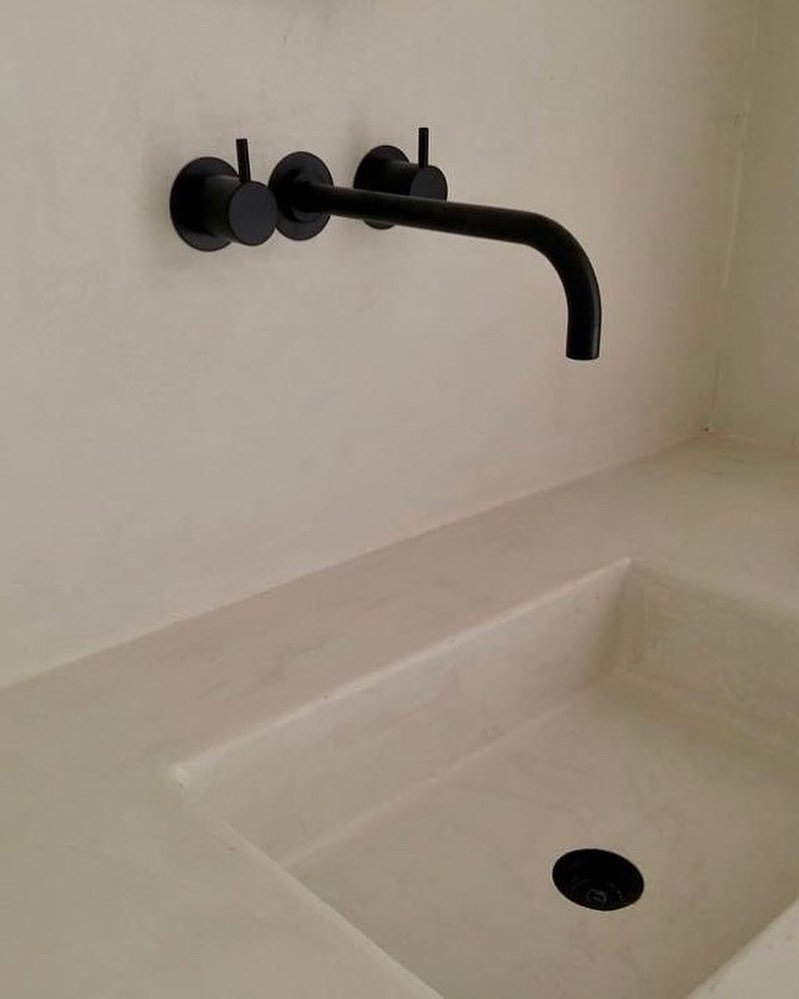
Because X-Bond Microcement is hand-trowelled as one continuous surface coating, it has no joint lines. This creates a seamless, uniform aesthetic that reflects the rising popularity of minimalism. But minimalism isn’t just a fad — it’s been one of the most enduring design trends for decades. We consider minimalist architecture to be truly timeless.
There are plenty of reasons why minimalism is a timeless design principle. Ultimately, as the world gets busier, many people crave the uninterrupted simplicity of pared-back physical spaces.
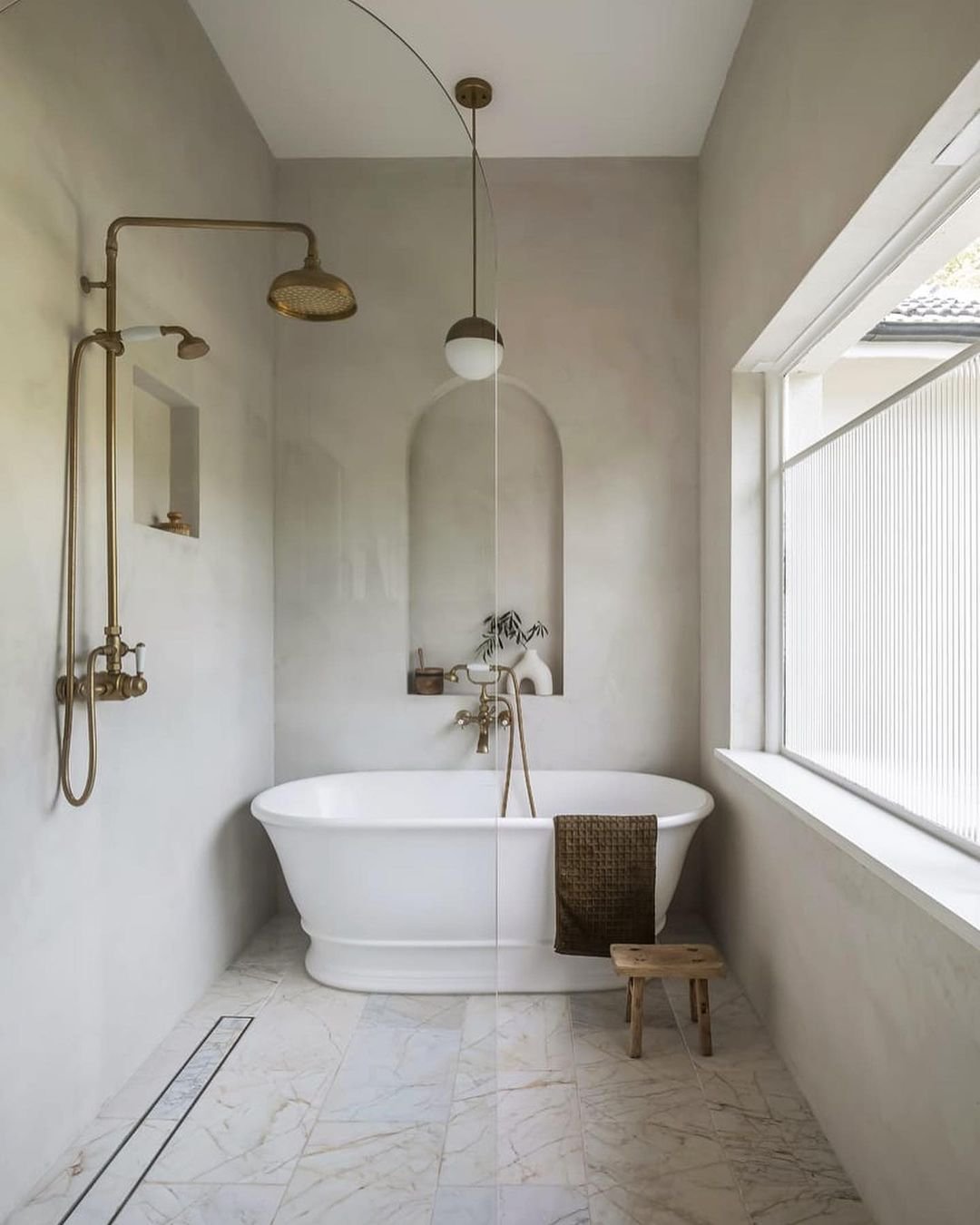
It feels more spacious.
The uniformity of a seamless joint-free coating creates endless continuity, giving the illusion of more space. That’s why microcement is a great way to make a smaller bathrooms feel airy and open. This is especially effective when you choose a total microcement look on the walls, ceiling, and/or floor.
The concrete look is in — but it can be impractical
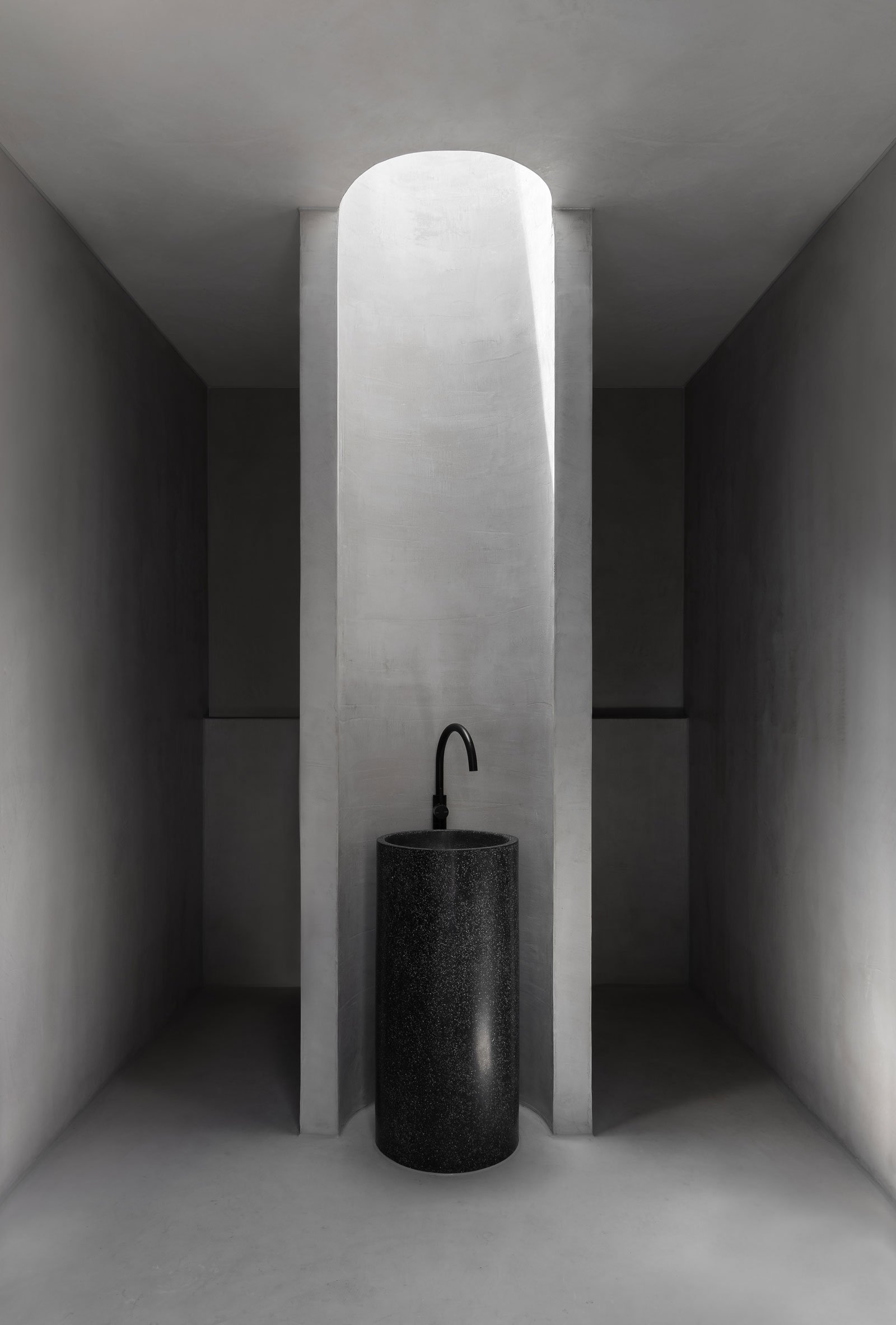
Industrial chic, urban elegance, raw sophistication… However you want to describe it, there’s no denying the rise of concrete in contemporary interior design. Once only used for building foundations and industrial settings, concrete now appears in residential projects, commercial spaces, retail design and more.
However, it can be difficult to achieve this aesthetic in the bathroom. Concrete is expensive to install and very heavy (which can be a problem for an upstairs bathroom).
Microcement is designed to look very similar to concrete, but is much more versatile in its application at only 2-3mm thick. It’s also cheaper and quicker to install. This makes X-Bond Microcement a more practical way to achieve the concrete look in your bathroom.
Read More: Microcement vs. Concrete
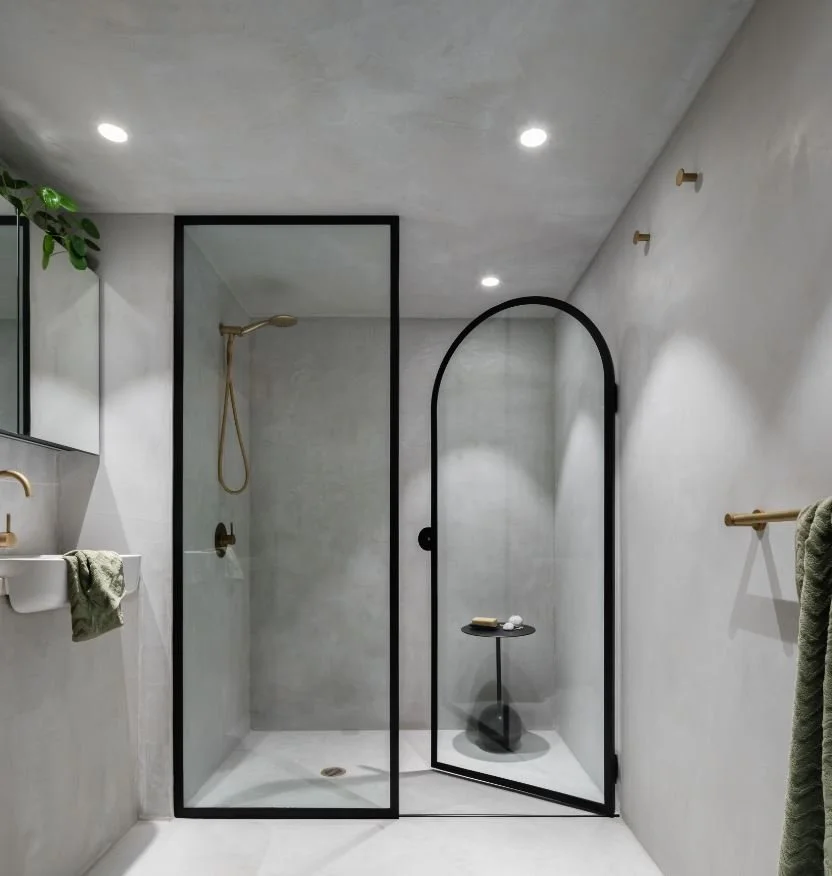
Microcement is waterproof.
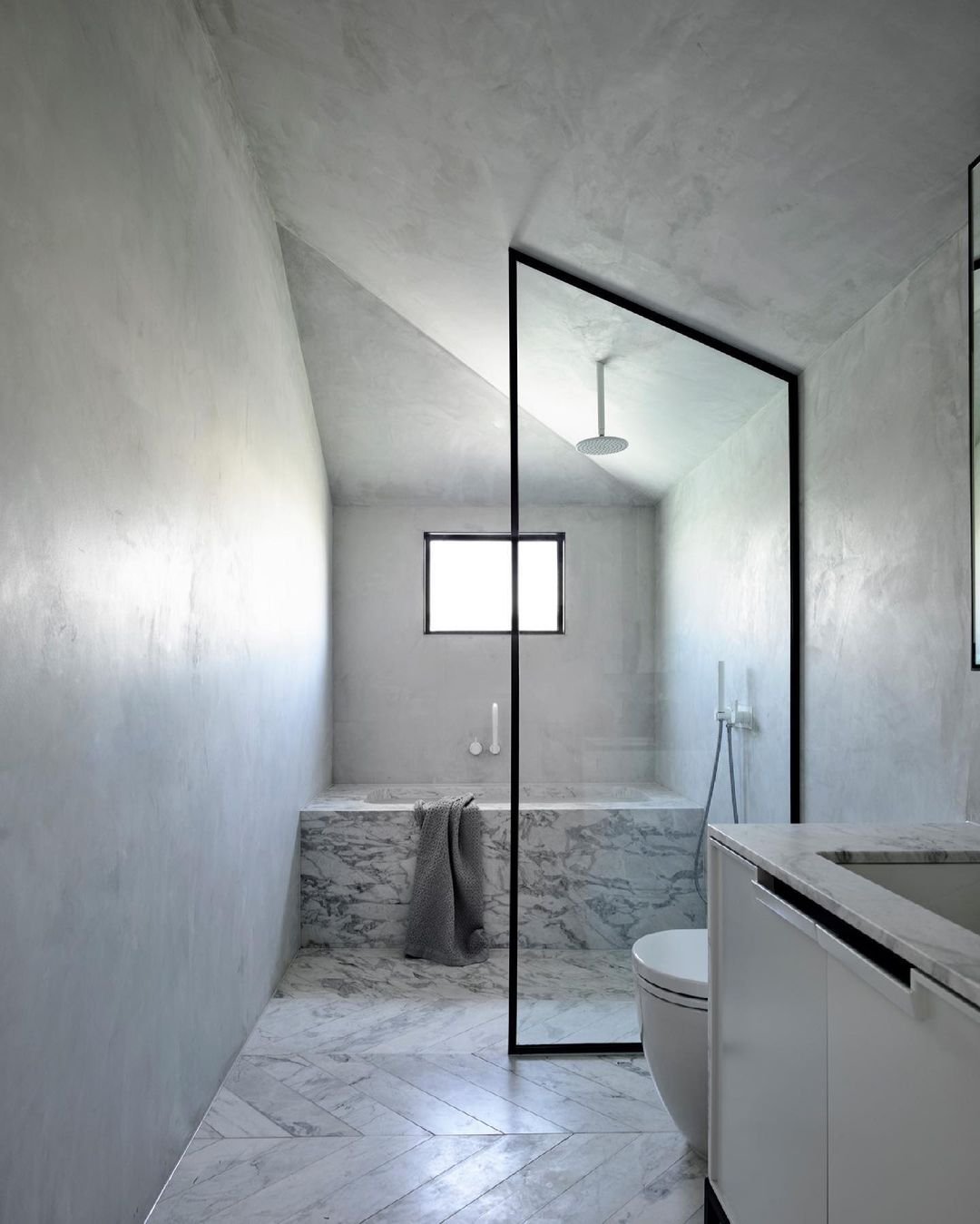
Our X-Bond overlay system features Liquid Membrane, our liquid-based waterproofing membrane that prevents leaks and water damage. It prepares wet areas for microcement application in just two or three coats, and X-Bond is then applied directly on top.
With this advanced waterproofing membrane, X-Bond Microcement bathroom is a CodeMark Certified finish for wet areas, the perfect balance of function and beauty.
Easy to maintain
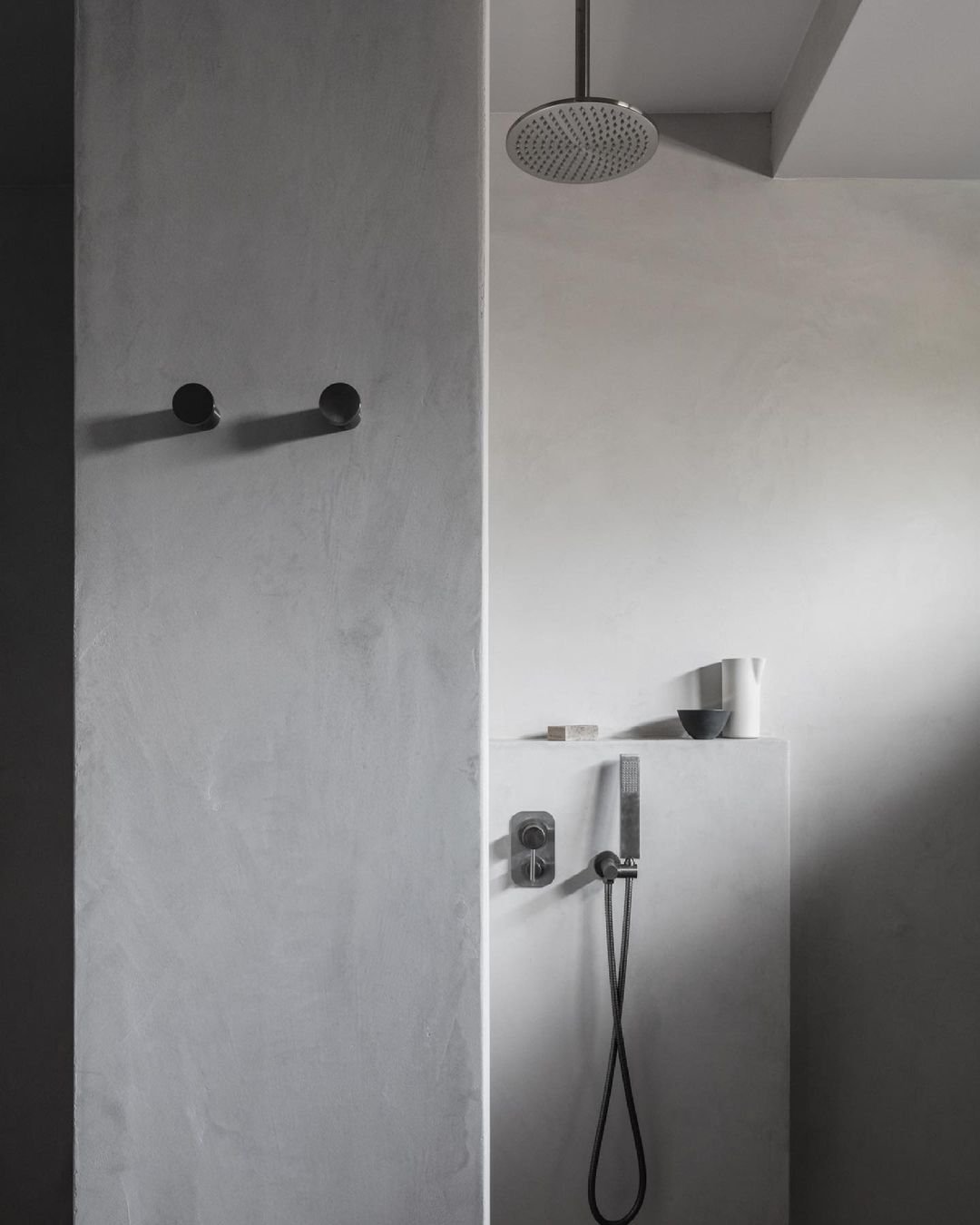
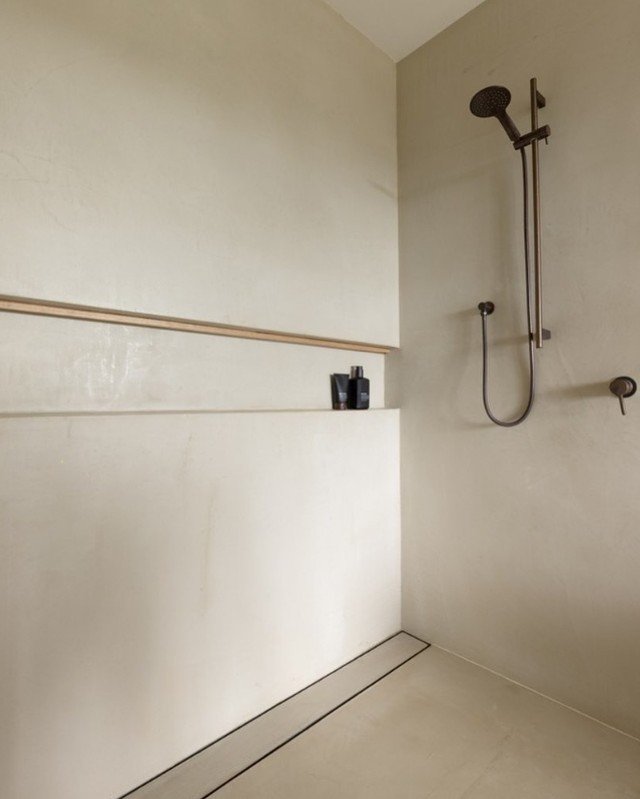
Because of its seamless hand-trowelled application with no joints, microcement is grout-free. This makes your shower, floors, or walls much easier to clean compared to tiles, as you don’t need to scrub those stubborn grout lines.
X-Bond Microcement is always finished with high-grade sealers. When installed and maintained according to our guidelines, this means the X-Bond is highly resistant to stains and mould or mildew.
Versatile applications
If this is the year of your big home renovation, microcement might be a very cost-effective and convenient way to remodel your old bathroom.
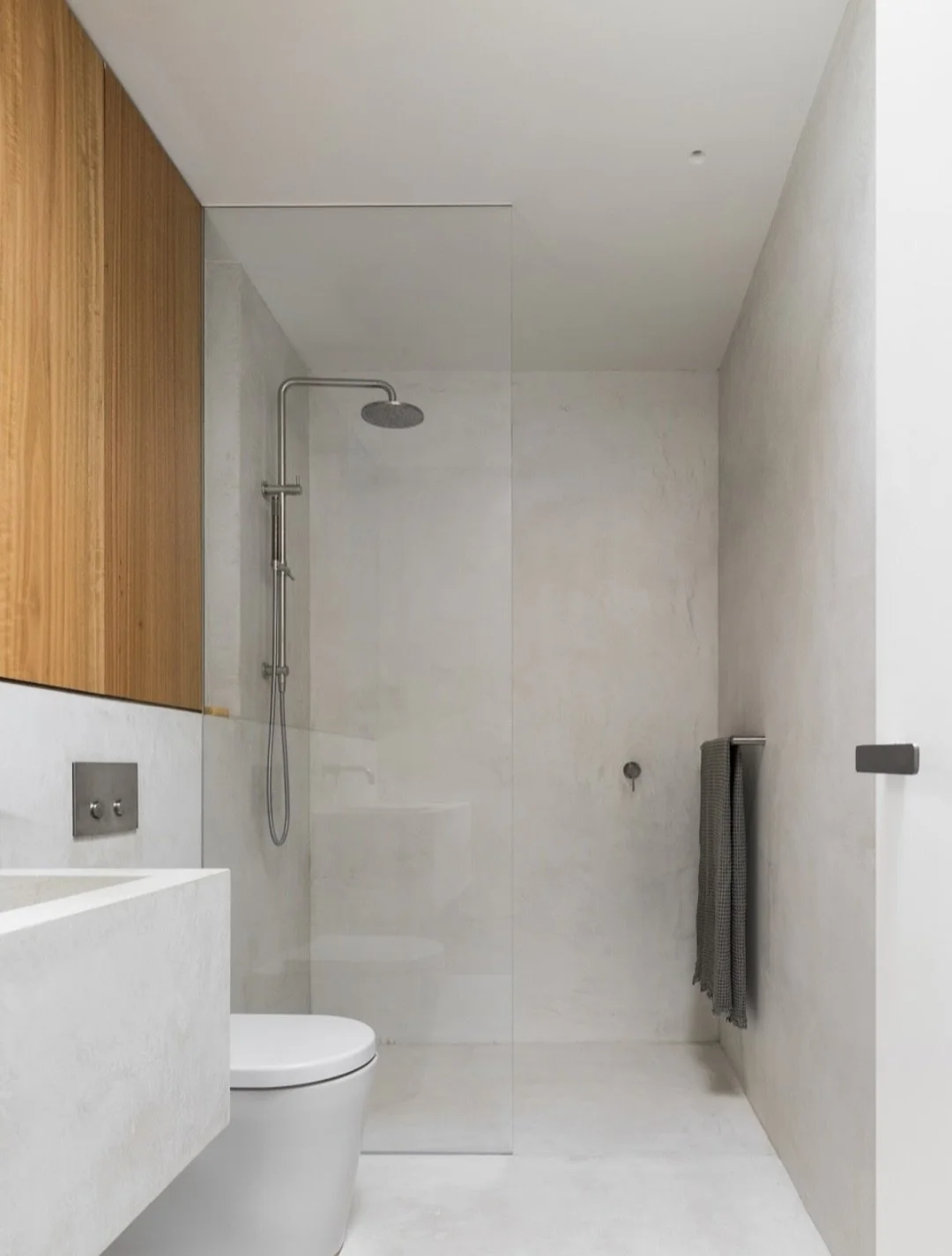
Because of its strong bonding properties, X-Bond can be applied over almost any existing substrate, including tiles. It’s the perfect way to transform your space without the mess, cost, and time associated with demolition.
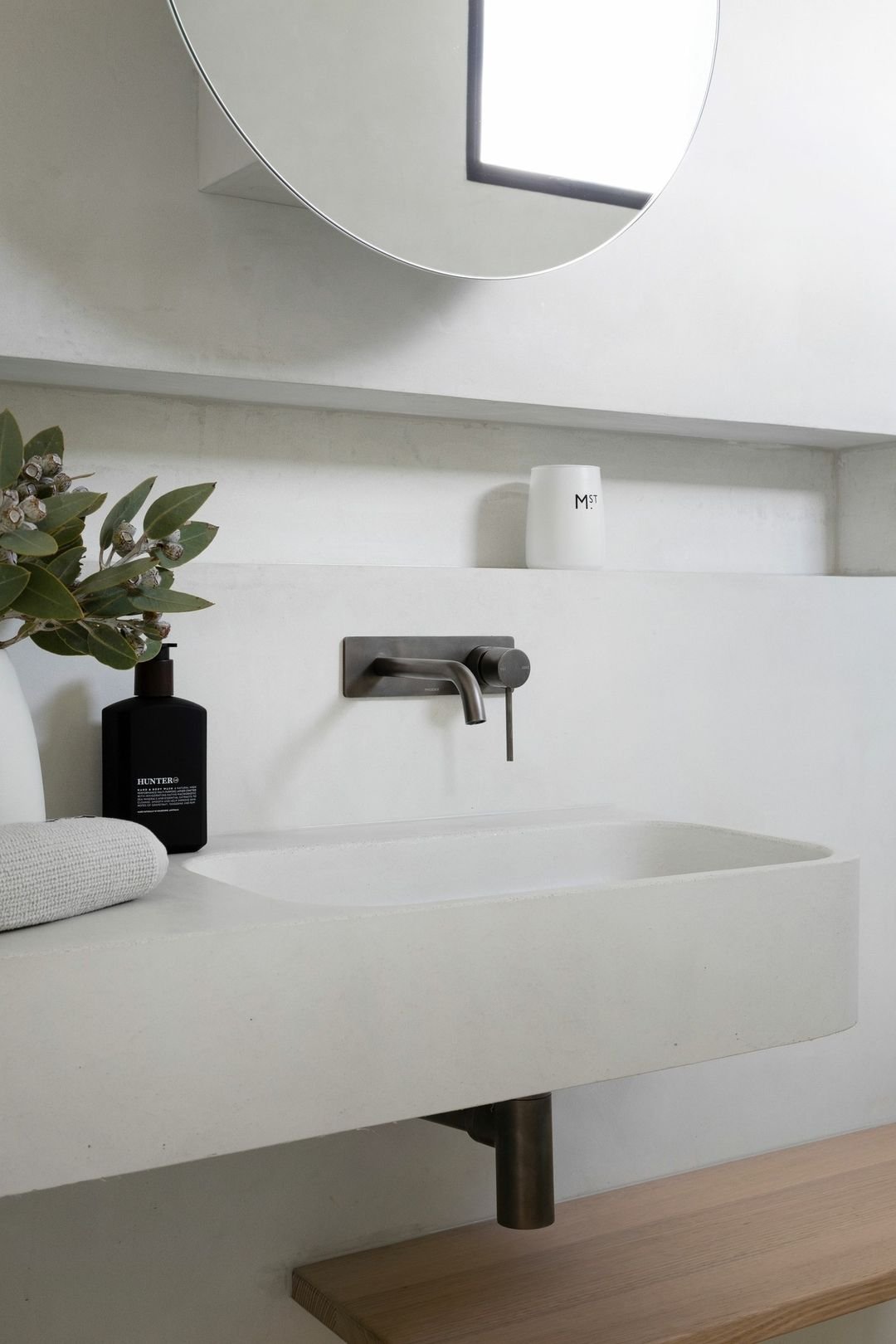
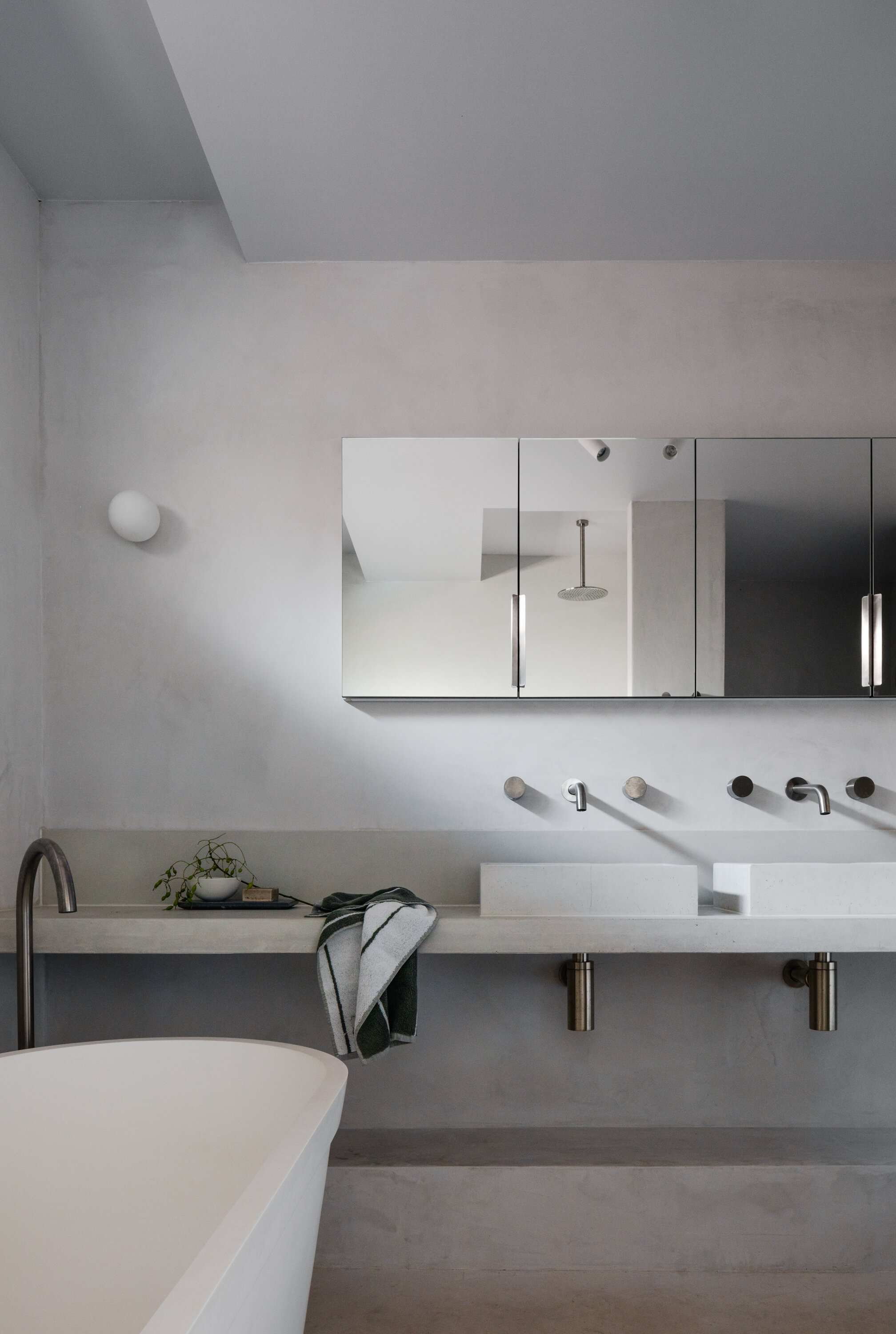
Due to its minimal thickness, you can also apply microcement in a wide range of areas. This includes bathroom joinery and shelves, curves or irregular shapes like bathtubs, and even sink basins.
Read More: What Homeowners Should Know About Microcement Bathroom Renovations
Endless design possibilities
Its versatility isn’t just in how it’s applied, but also in appearance — miocrocement can truly fit into any design brief. We offer X-Bond in a wide range of colours, so you can choose anything from neutrals to dark and moody hues, earthy greens or pinks, and even a custom colour. There are also different X-Bond finishes, each with a unique texture. View the X-Bond design options here.
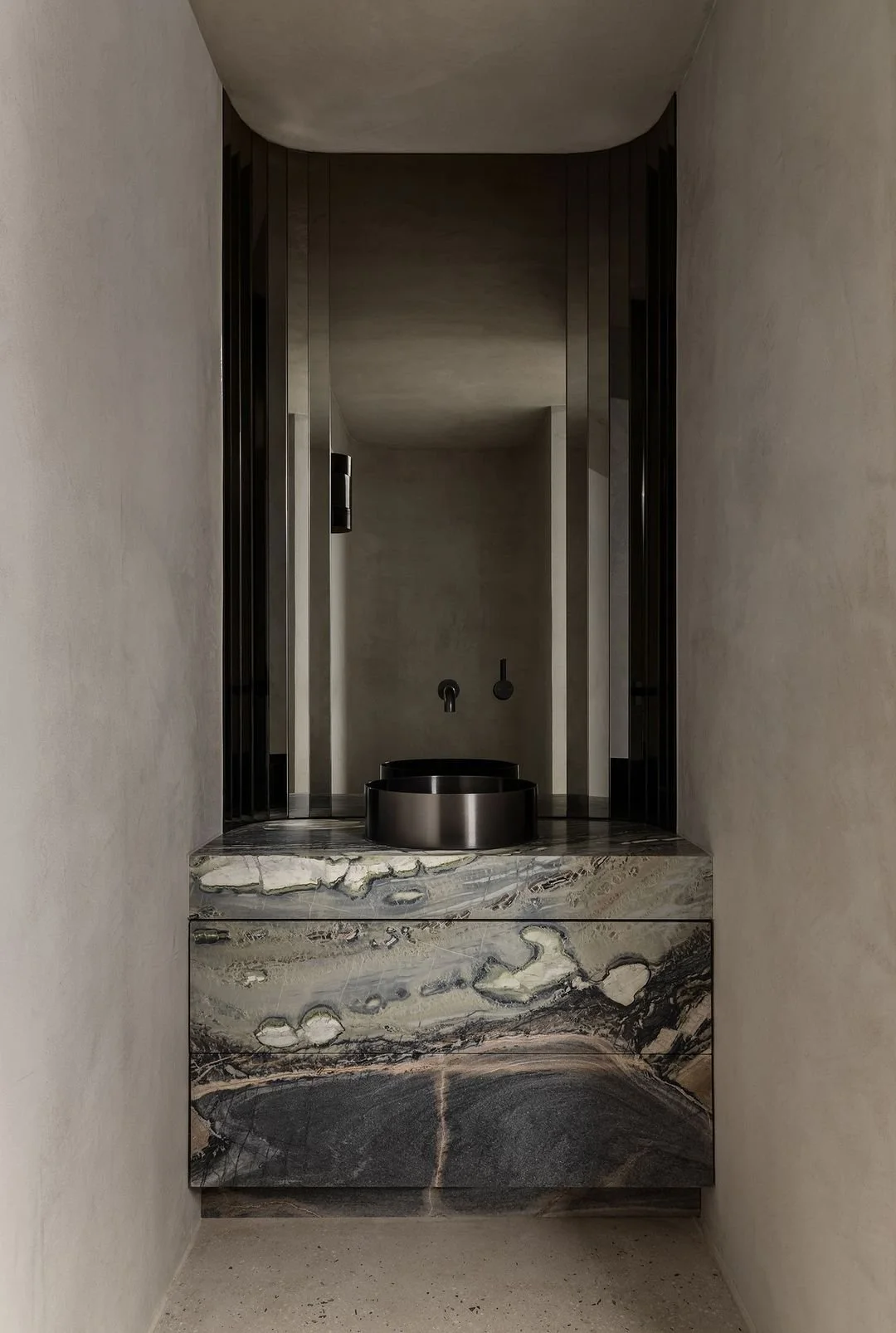
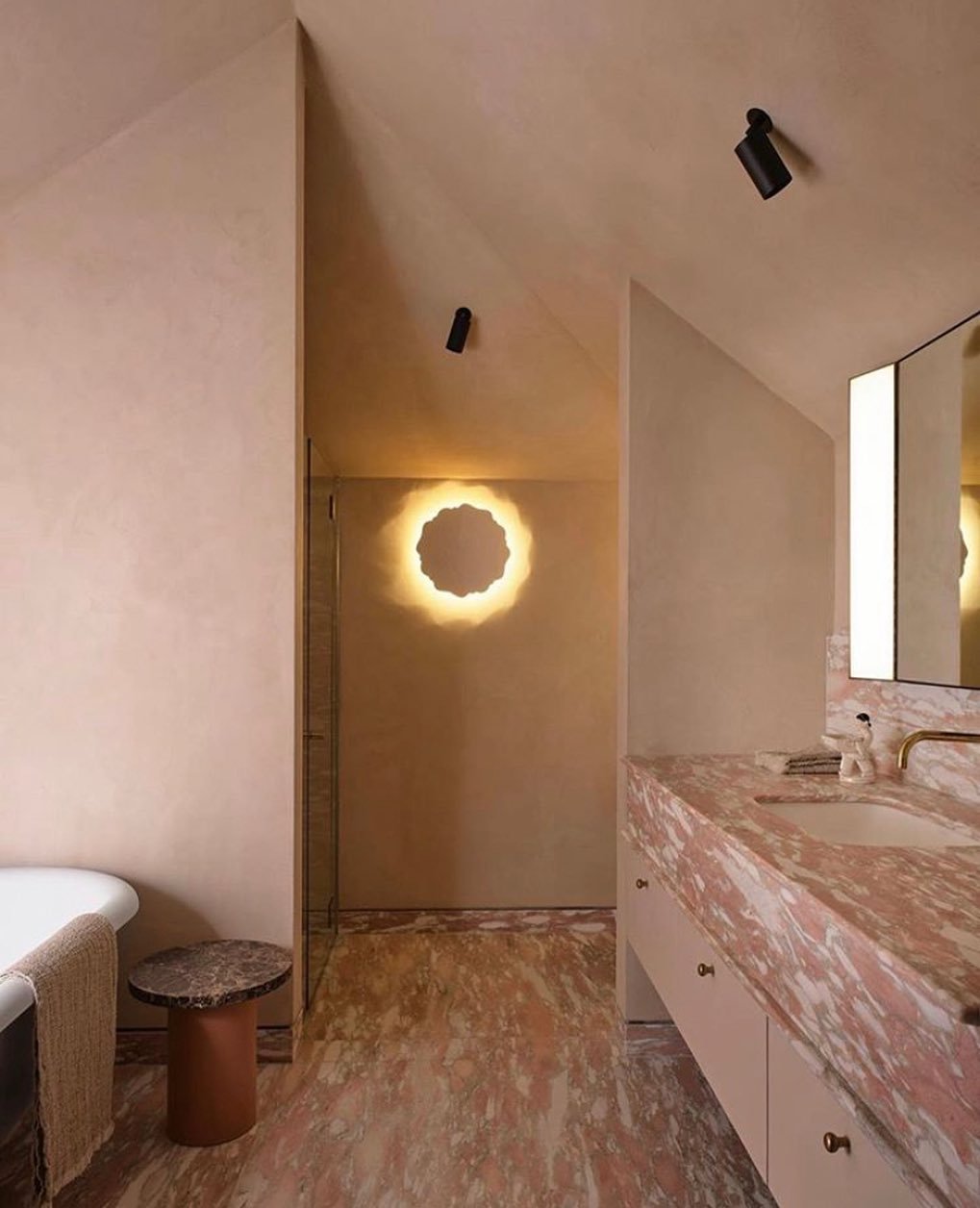
Texture is trending
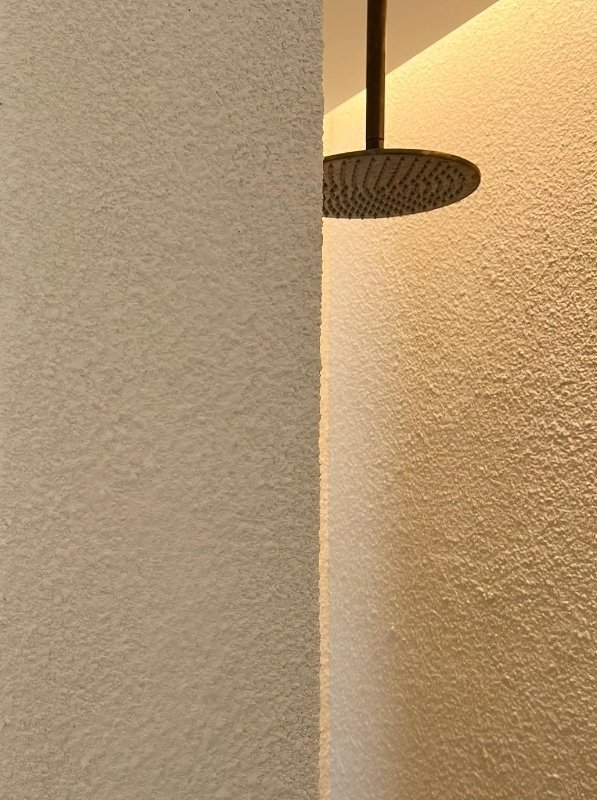
Minimalist design doesn’t have to be stark and sterile (unless you want it to!). Texture is a great way to go about creating warmth in your bathroom — and a modern way to introduce texture to a space is microcement.
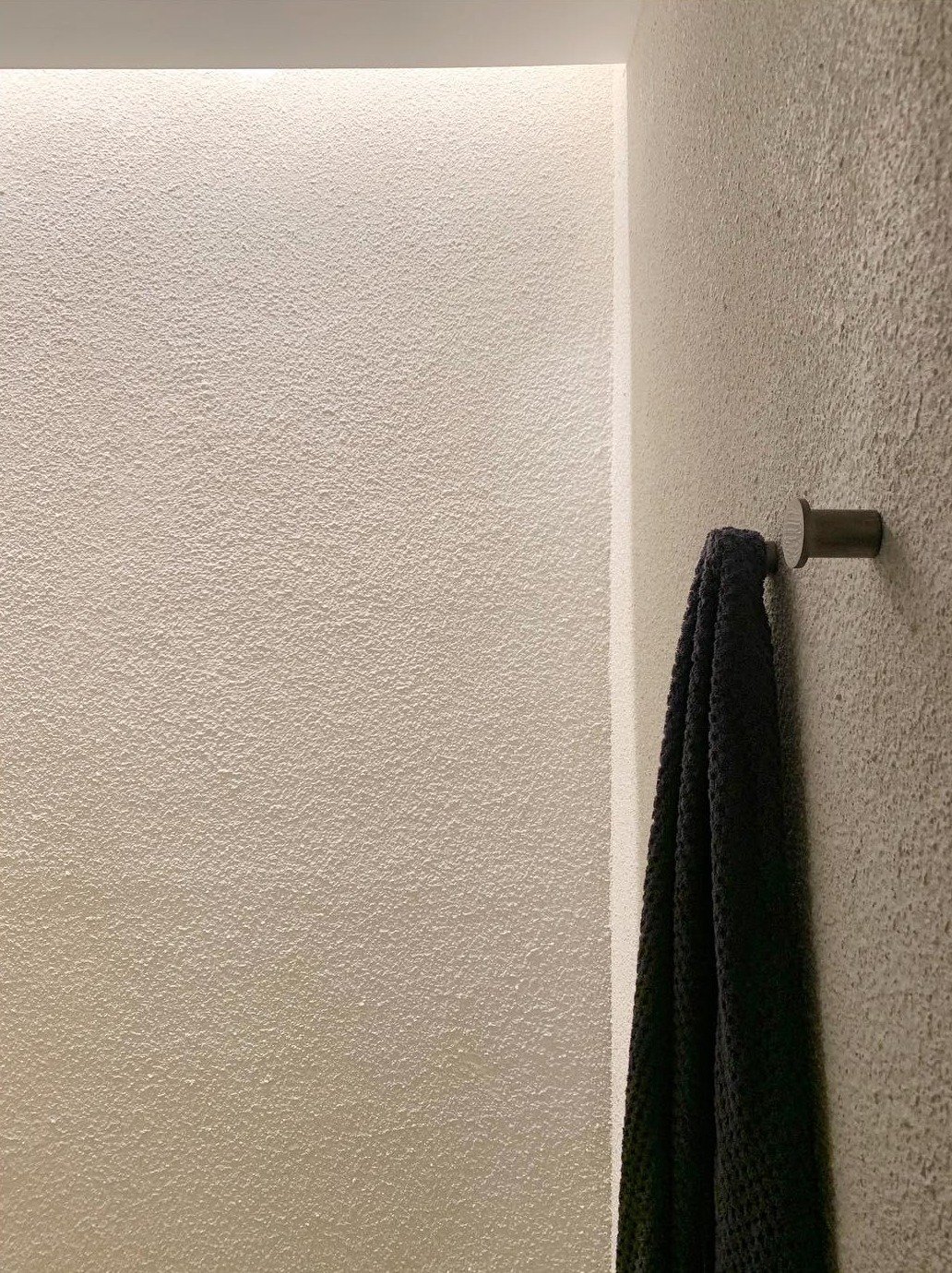
As mentioned above, X-Bond comes in multiple different finishes. Hybrid is the smoothest, but it still features unique textural variations from the trowel marks. The Mineral finish is sprayed on for a bumpy, rocky texture inspired by geology. Natural concrete has rough patches that mimic the uneven surface of raw concrete.
So, if you hate blank white walls or grout lines, microcement is a modern way to elevate your bathroom with textured finishes.
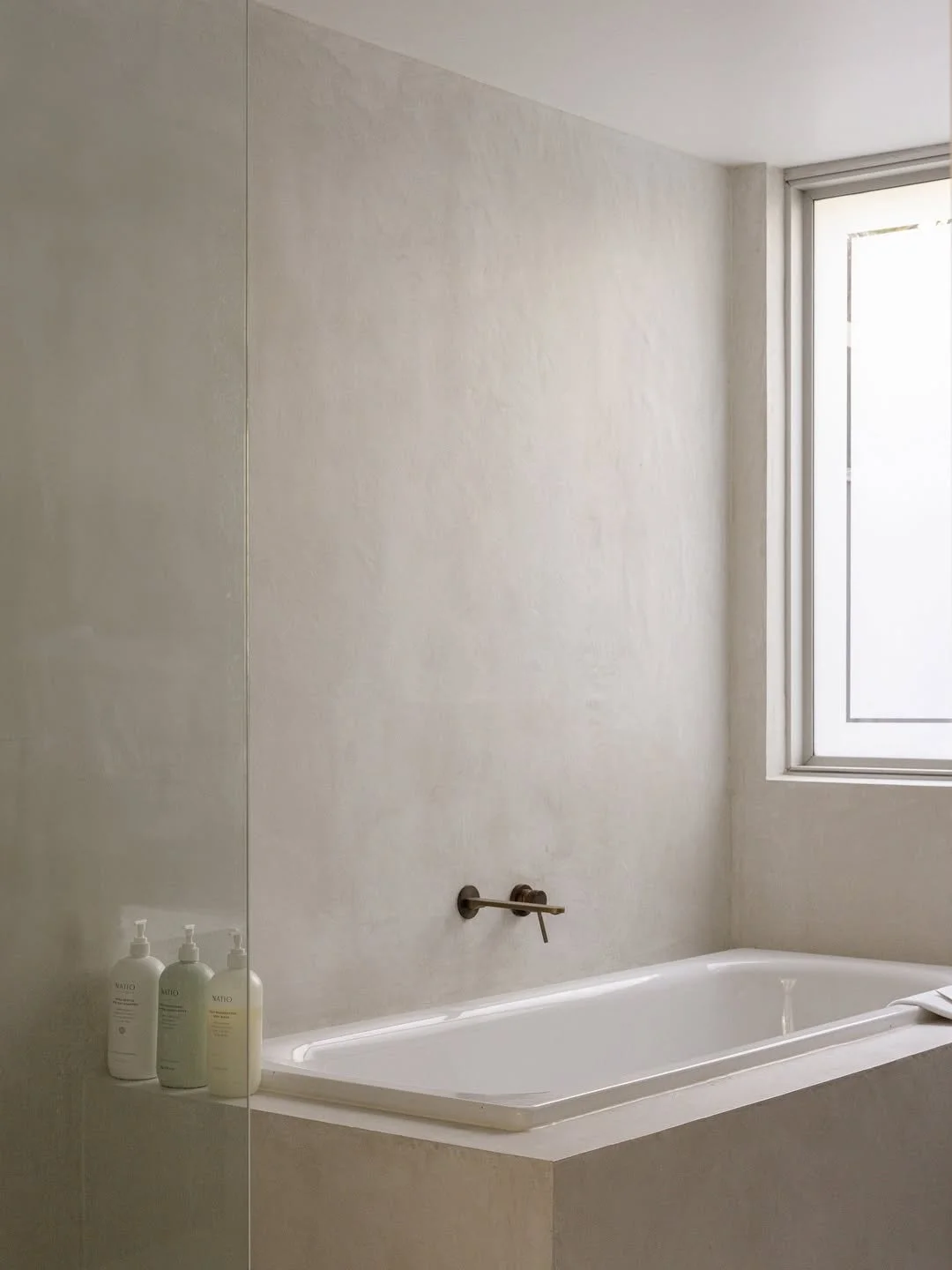
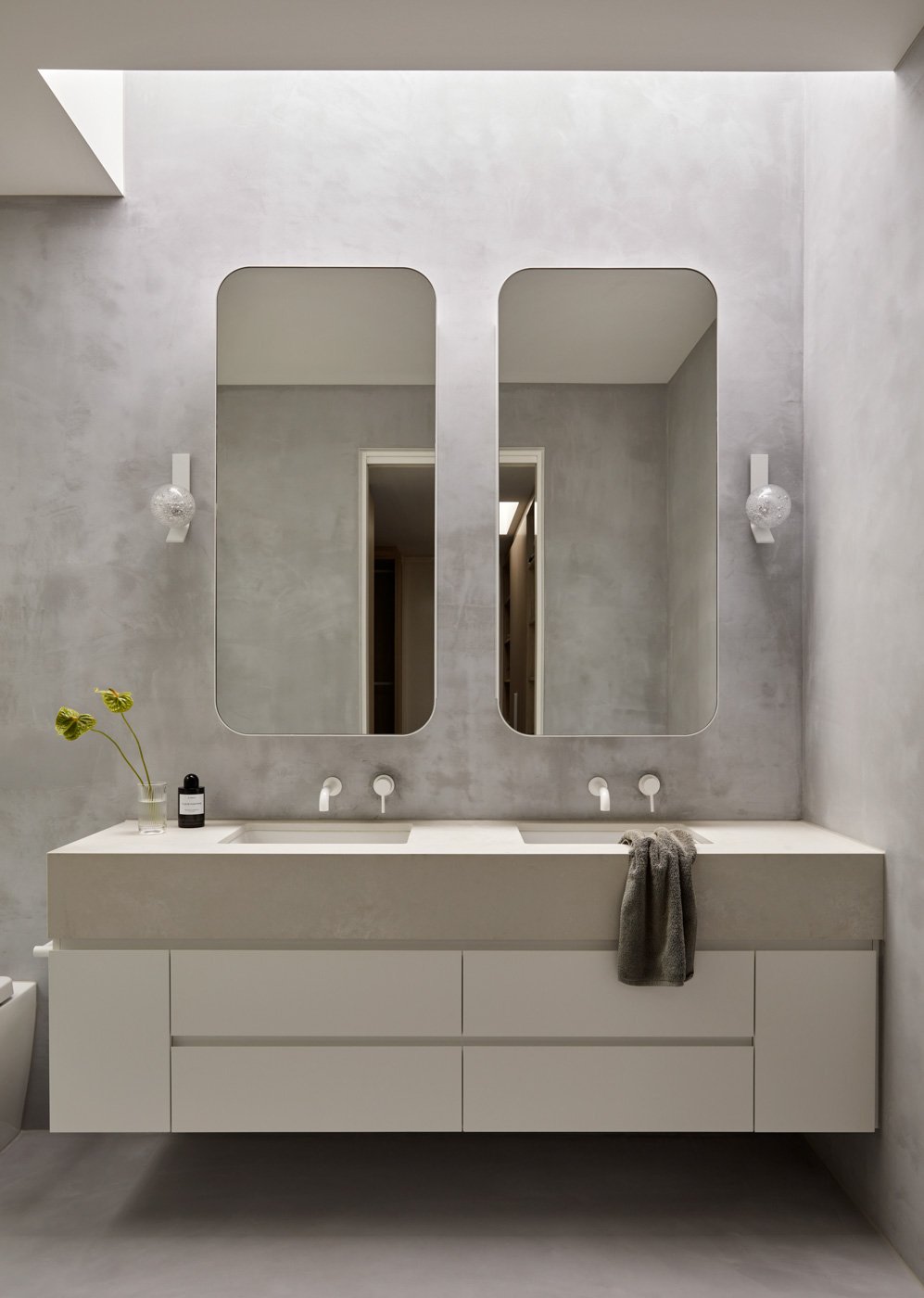
While some trends come and go, we’ve been suppling X-Bond Microcement around Australia since 1999 — so we believe it’s one design choice that won’t ever go out of style. This seamless surface material has plenty of visual and practical advantages, from mould and stain resistance to enhancing space.
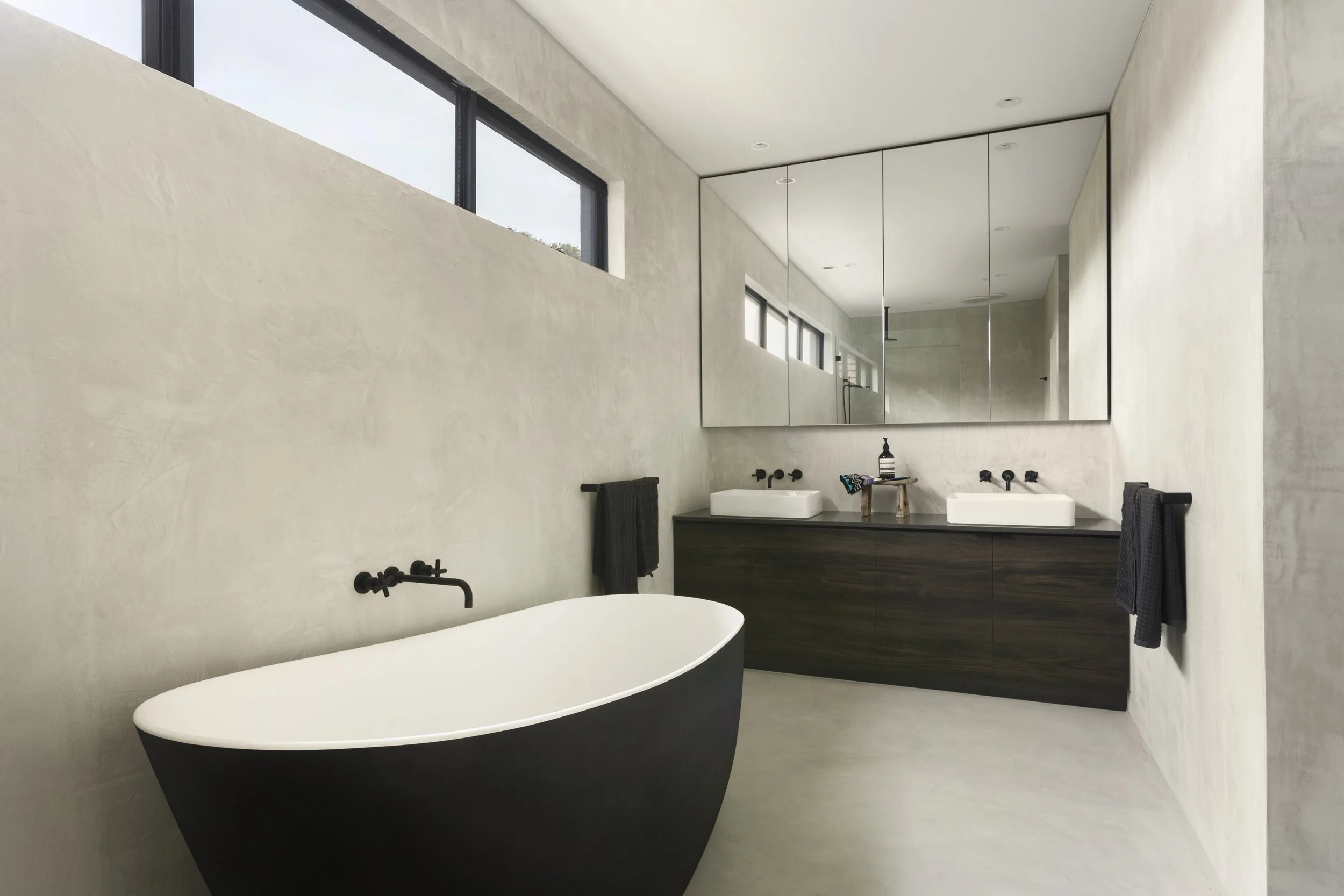
Throughout this article we’ve provided microcement bathroom inspiration with photos from projects featuring X-Bond Microcement. For more of these highlights, follow Seamless Overlays on Instagram.
To use X-Bond in your project, get in touch with our team.
Microcement Bathroom FAQ
Can microcement be applied over tiles?
Yes, microcement can be applied directly over existing tiles, which makes it a popular option for bathroom renovations. This avoids the need for demolition, reducing both time and cost.
Is microcement slippery when wet?
Microcement can be finished in different textures to achieve varying levels of slip resistance. In wet areas like showers, a slip-resistant microcement flooring is typically specified to improve safety.
How durable is microcement in a bathroom?
Microcement is highly durable when installed correctly. It is resistant to cracks, stains, mould, and daily wear with proper sealing and maintenance.
Does microcement crack over time?
When applied over a stable substrate using the correct system, microcement is designed to be flexible and resistant to cracking. Issues usually arise from poor installation or substrate movement.
Is microcement expensive compared to tiles?
Microcement is typically positioned as a premium finish, so can be more expensive upfront than standard tiles — but is comparable with other high-end finishes. If resurfacing old tiles, the cost often balances out by reducing demolition and labour.
What are the benefits of microcement in bathrooms?
Key benefits include a seamless aesthetic (no grout lines), water resistance, easy maintenance, and the ability to be applied across multiple surfaces for a cohesive design.
How long does microcement last in a bathroom?
With proper installation and maintenance, microcement can last decades years without needing replacement. Every 5-10 years, resealing may be required periodically to maintain its performance and appearance — but this isn’t usually necessary if maintenance procedures are followed correctly.