Interior Design Ideas for Coastal Homes
Coastal interiors have evolved far beyond predictable palettes and nautical clichés. Today’s coastal home is defined by understated luxury, tactile materials, and a seamless connection to the surrounding landscape. Whether overlooking the ocean or inspired by it, modern coastal interiors prioritise calm, light, and longevity — making material selection just as important as colour and form.
Here, we explore interior design ideas for coastal homes that balance relaxed elegance with architectural sophistication, while highlighting finishes that perform beautifully in coastal environments.
1. Embrace a Soft, Natural Colour Palette
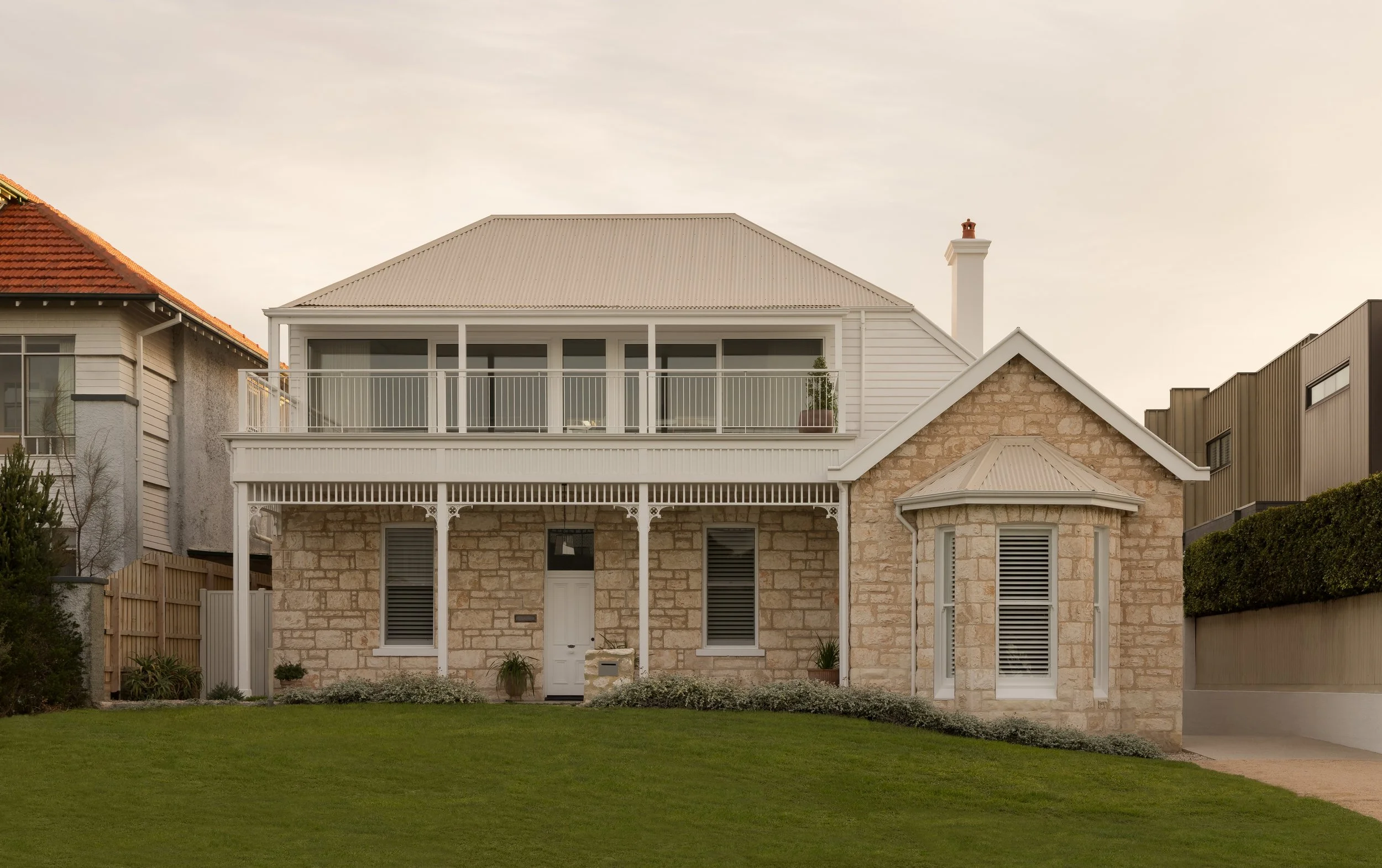
The foundation of any coastal interior is a palette that reflects its environment. Think sun-bleached neutrals, warm whites, soft sands, pale greys and muted stone tones.
Opt for tones with warmth and depth — colours that echo limestone cliffs, weathered timber, and coastal rock formations.
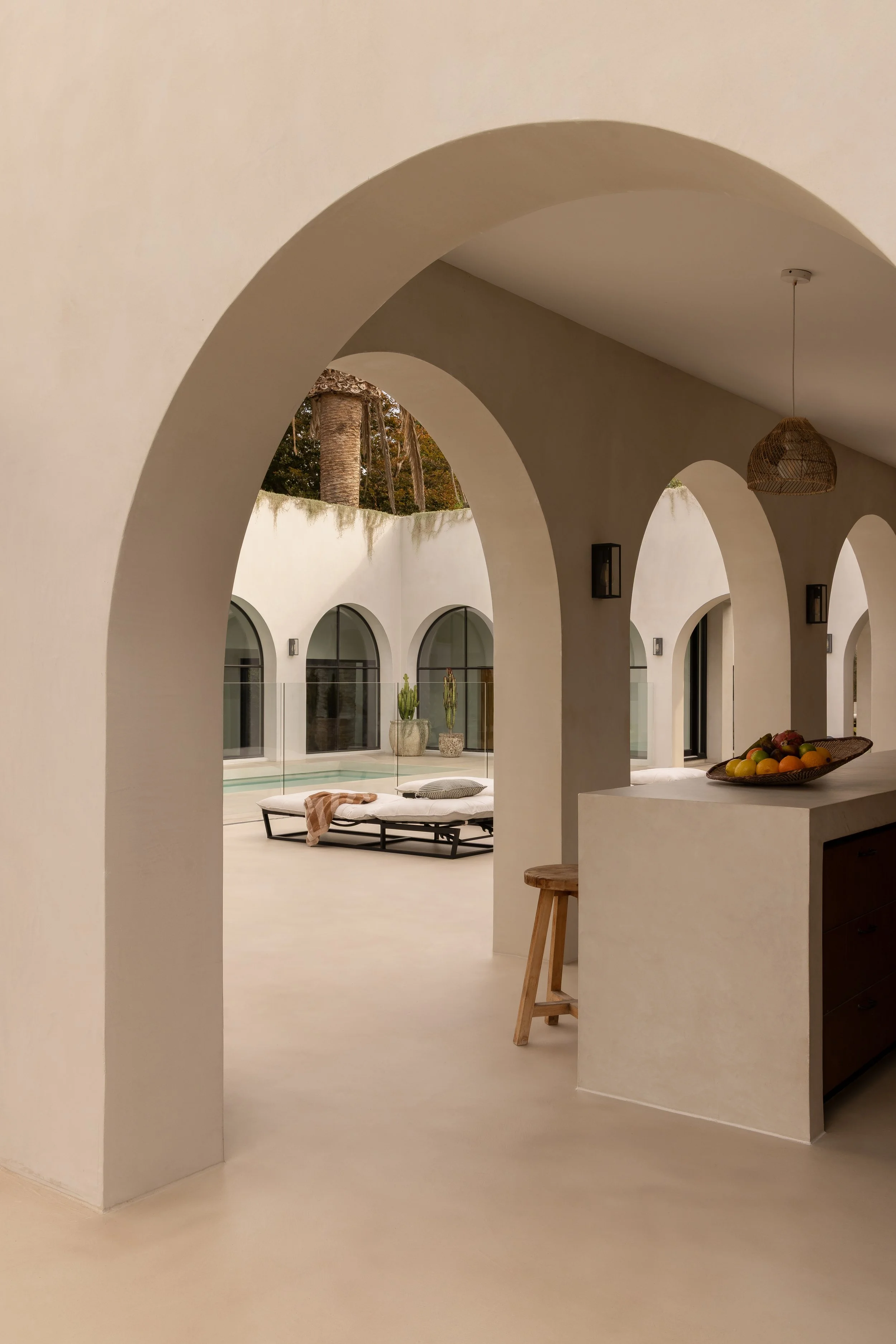
Microcement finishes work particularly well here, offering a seamless, mineral-rich surface that enhances subtle colour variation and natural light without overpowering the space.
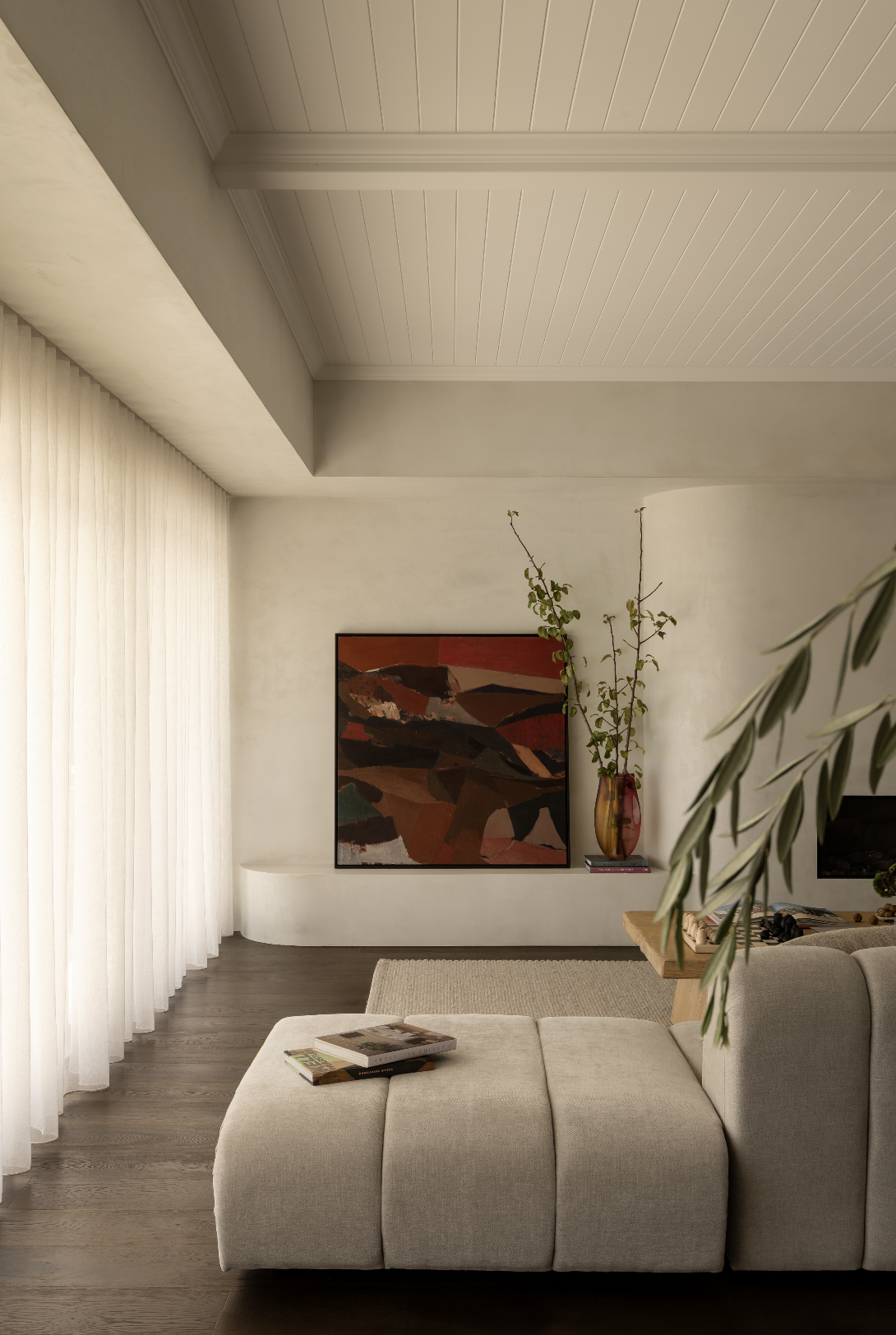
2. Prioritise Seamless Surfaces for a Calm Aesthetic
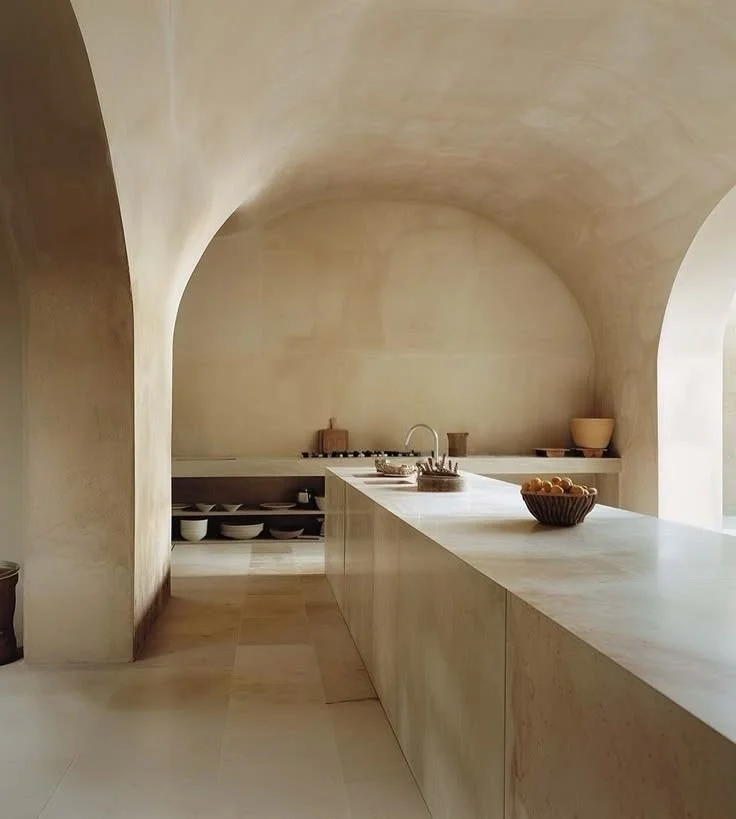
Consider creating visual continuity with seamless renders, making spaces feel calmer and more expansive by reducing breaks and lines.
Using microcement, plaster, or large stone slabs across floors, walls, and wet areas helps achieve this effect. These finishes allow designers to create continuous surfaces without grout lines, which not only enhances aesthetics but also improves durability and ease of maintenance in humid, salt-rich environments.
From open-plan living areas to bathrooms and kitchens, or even your pool — seamless finishes support the relaxed flow that coastal living demands.
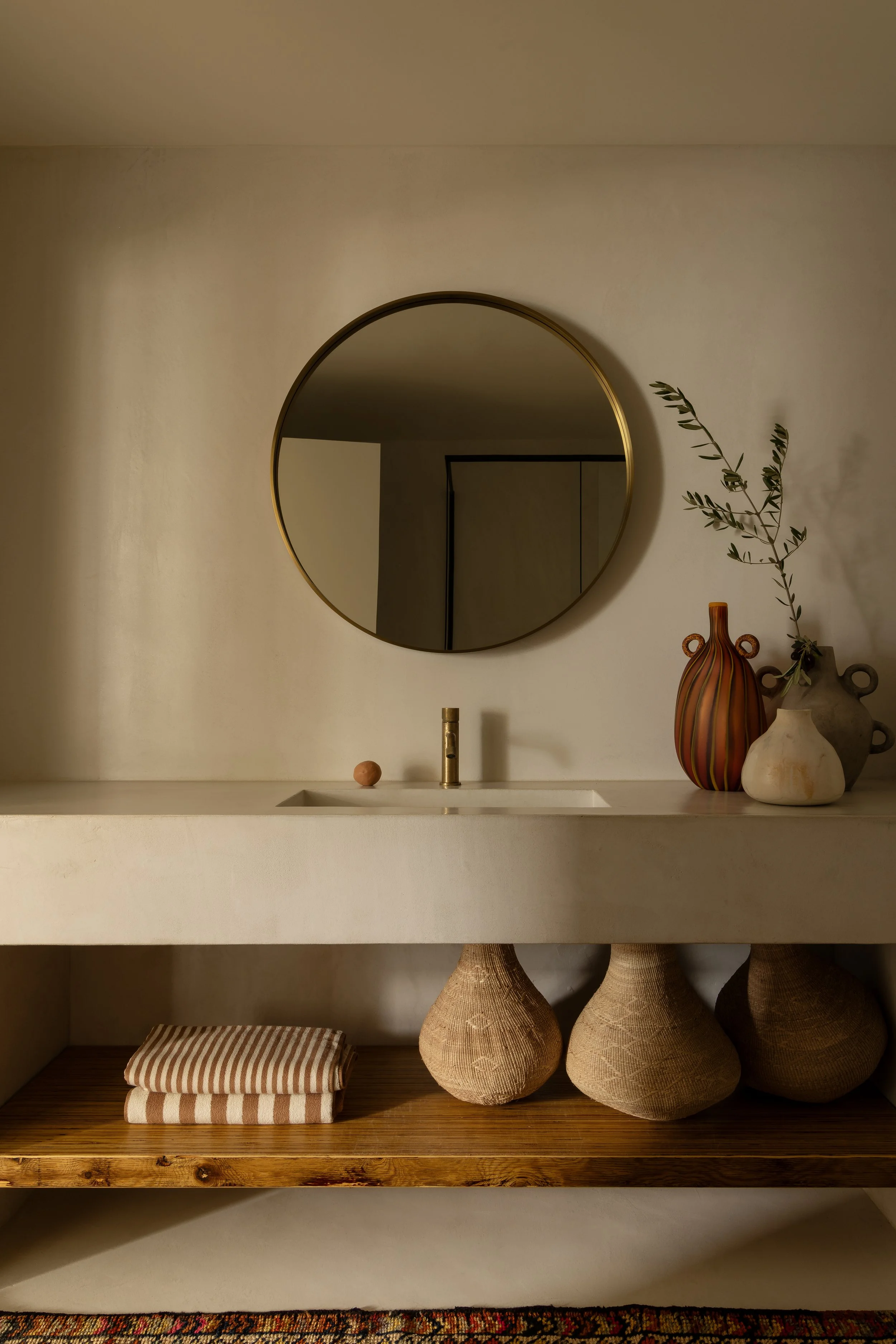
3. Balance Texture with Simplicity
Modern luxury coastal interiors are not flat or sterile — texture plays a crucial role. The key is balance.
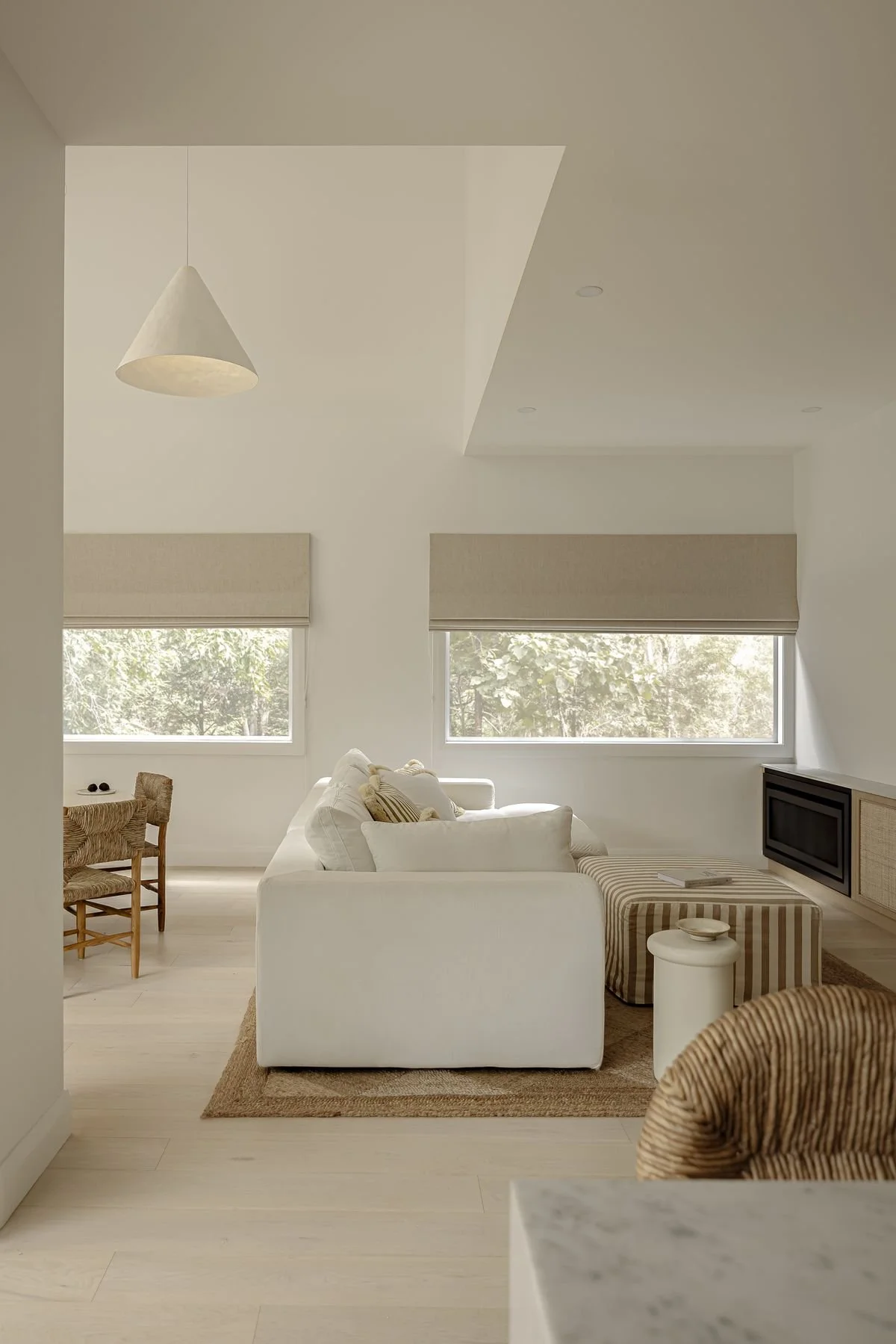
Layer smooth architectural surfaces with tactile elements such as:
Natural stone
Linen and cotton upholstery
Soft wool or jute rugs
Timber furniture with a raw or lightly finished grain
Microcement provides the perfect counterpoint to these materials. Its subtle movement and handcrafted texture add depth without visual clutter, ensuring spaces feel curated rather than styled.
Related Reading: Tactile Living — Surfaces That Shape Emotions

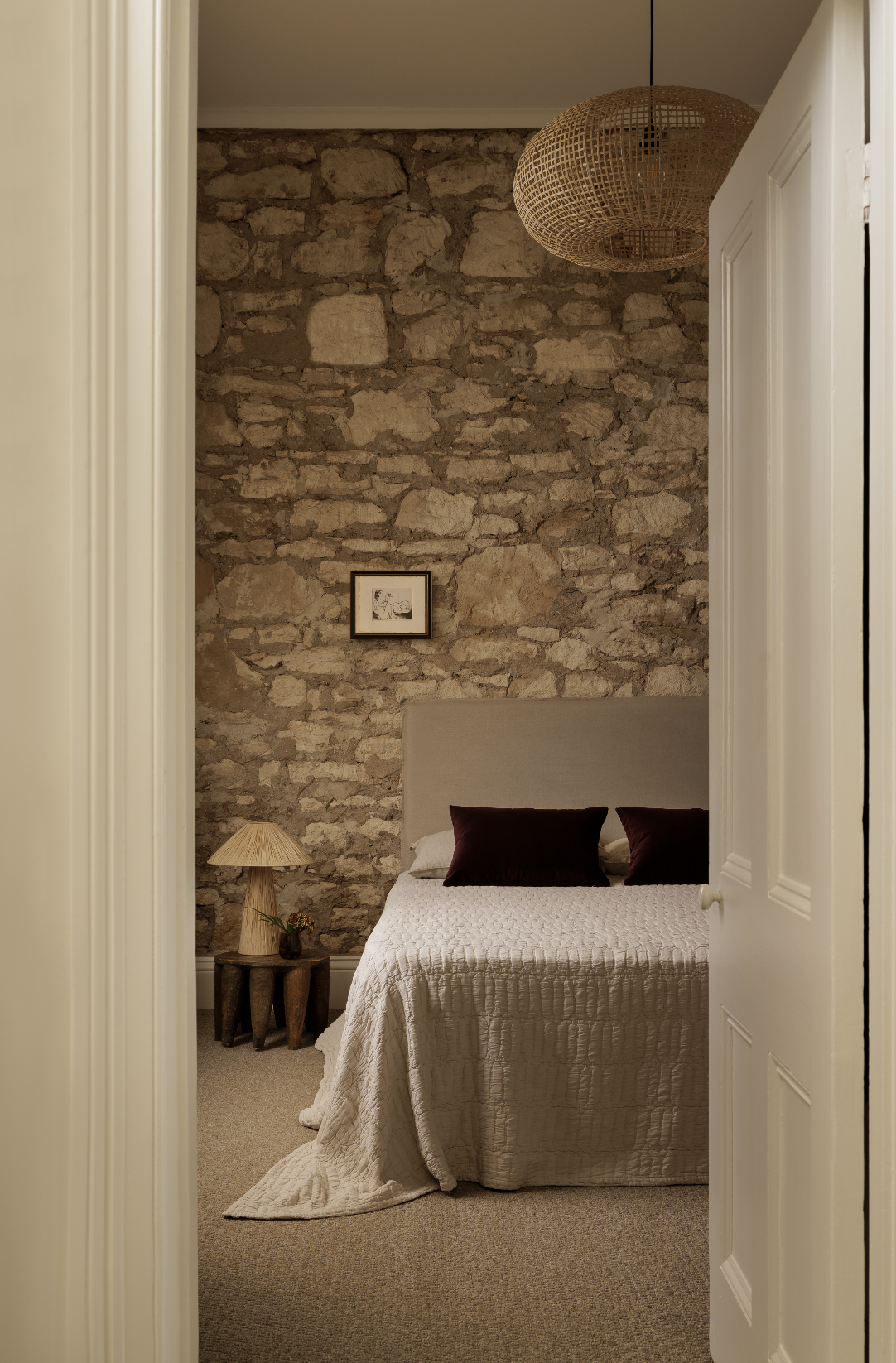
4. Design Bathrooms as Coastal Retreats
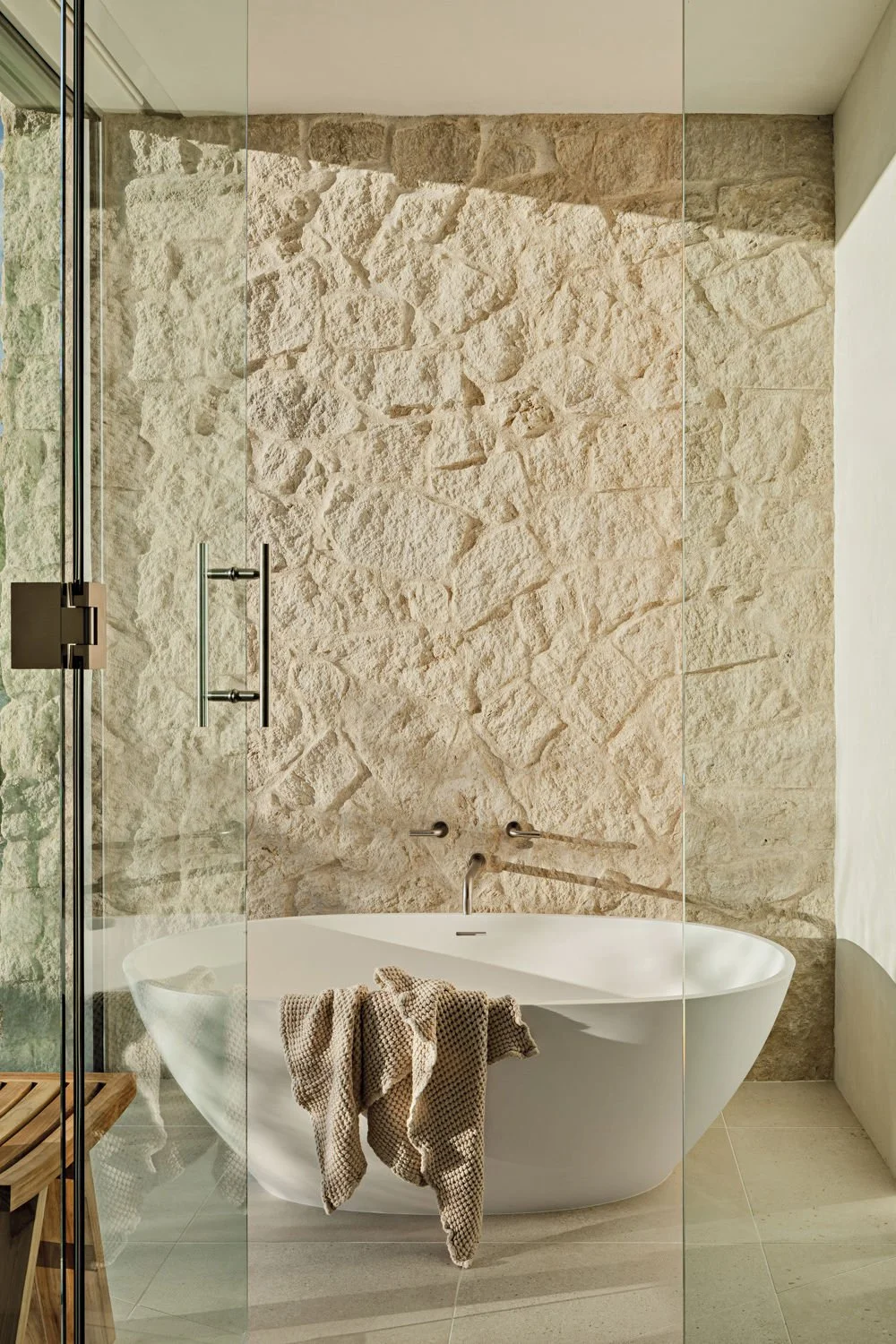
Bathrooms in coastal homes should feel like private sanctuaries — calm, spa-like spaces that reference the natural environment.
Consider:
Organic, tactile finishes across floors and walls
Walk-in showers with minimal framing
Integrated basins and custom vanities
Microcement is particularly well-suited to bathrooms, thanks to its water resistance, slip-resistant finishes, and seamless application. When applied correctly, it offers both practicality and refined beauty, standing up to moisture while maintaining a clean, uninterrupted aesthetic.
Read More: Everything You Need to Know About Microcement Bathrooms

5. Let Light Shape the Space
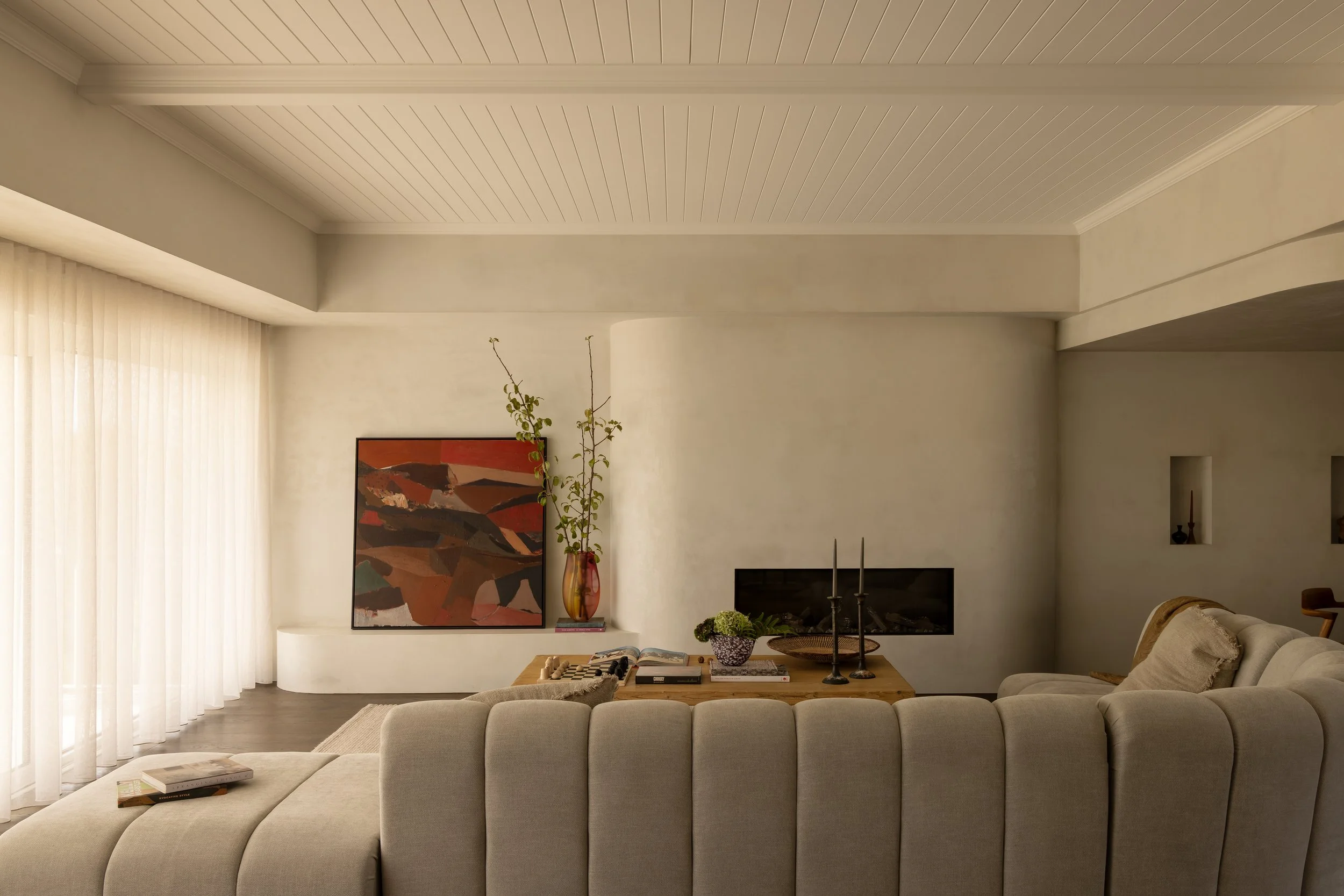
Natural light is a defining feature of summer living. Your beach house should be designed to enhance — not compete with — this asset.
Use finishes that softly reflect light rather than bouncing it harshly. Matte and satin surfaces are ideal, creating a gentle luminosity throughout the day. Microcement’s natural mineral composition allows it to interact beautifully with light, shifting subtly as conditions change.
Large windows, skylights, sheer window treatments, and open sightlines ensure that interiors remain connected to the outdoors, reinforcing the relaxed coastal atmosphere.
6. Choose Materials That Withstand Coastal Conditions
Coastal environments demand materials that are as functional as they are beautiful. Salt air, humidity, and temperature fluctuations can quickly compromise finishes.
Even when selecting interior surfaces, prioritise materials that are:
Durable and long-lasting
Moisture-resistant
Easy to clean and maintain
Resistant to cracking and deterioration
Microcement is increasingly favoured in coastal homes for these reasons. When professionally installed and sealed, it offers exceptional resilience while maintaining a refined, architectural finish suited to luxury residential projects.
7. Create Continuity Between Indoor and Outdoor Spaces
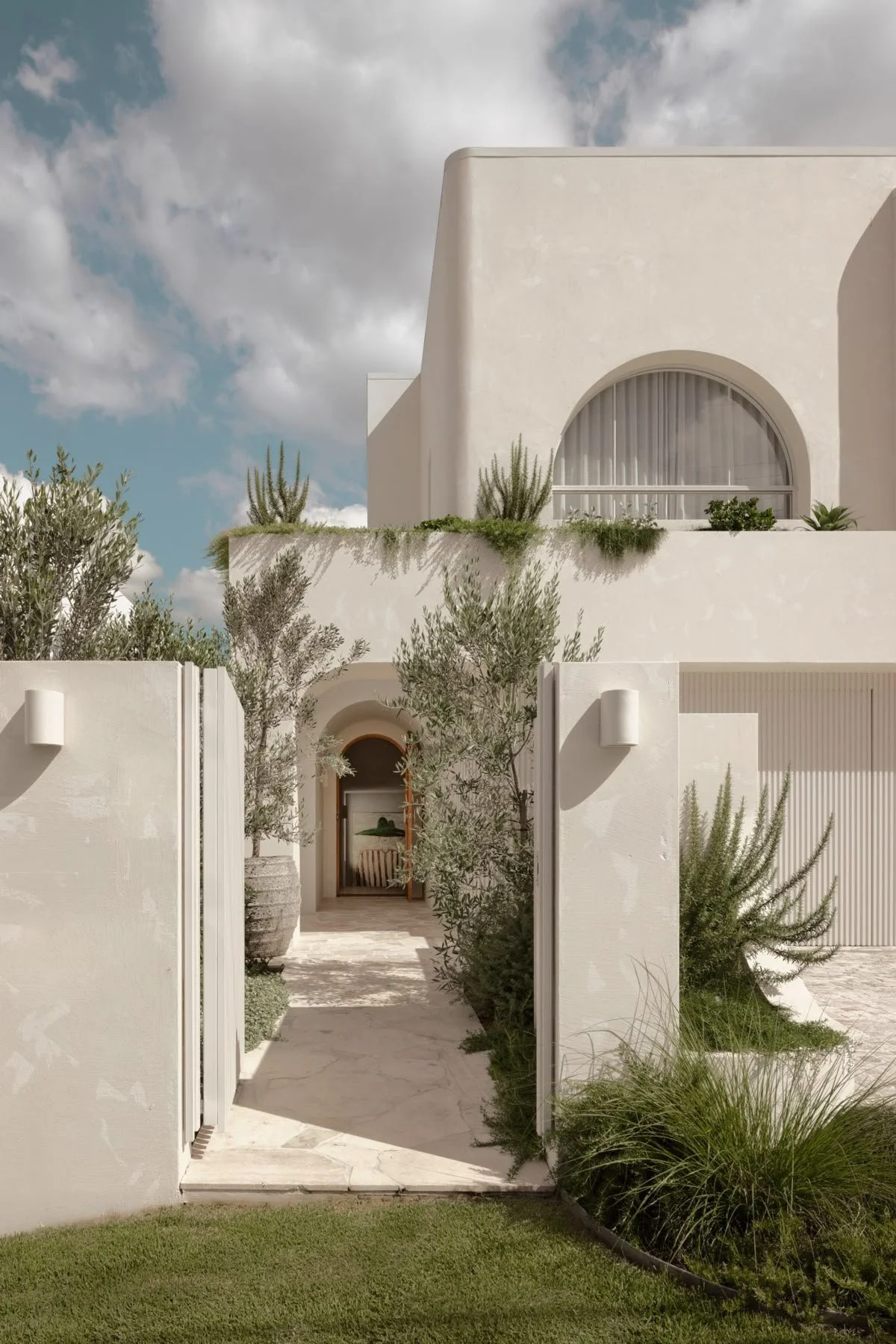
A successful coastal home blurs the line between inside and out. Interior finishes should complement external materials, creating a cohesive architectural narrative.
Using similar tones and textures across interior floors and adjacent outdoor areas enhances flow and reinforces the connection to the landscape. Microcement’s versatility allows it to be specified across multiple zones, supporting a unified design language throughout the home.
Read More: Your Guide to Microcement Exteriors
Interior design for coastal homes is ultimately about restraint, material integrity, and thoughtful detailing. By prioritising natural palettes, seamless finishes, and durable materials, designers can create spaces that feel both luxurious and deeply connected to their environment.
For homeowners and designers seeking a modern coastal aesthetic that balances beauty with performance, microcement offers an elegant, enduring solution — perfectly suited to the demands and rhythms of coastal living.