
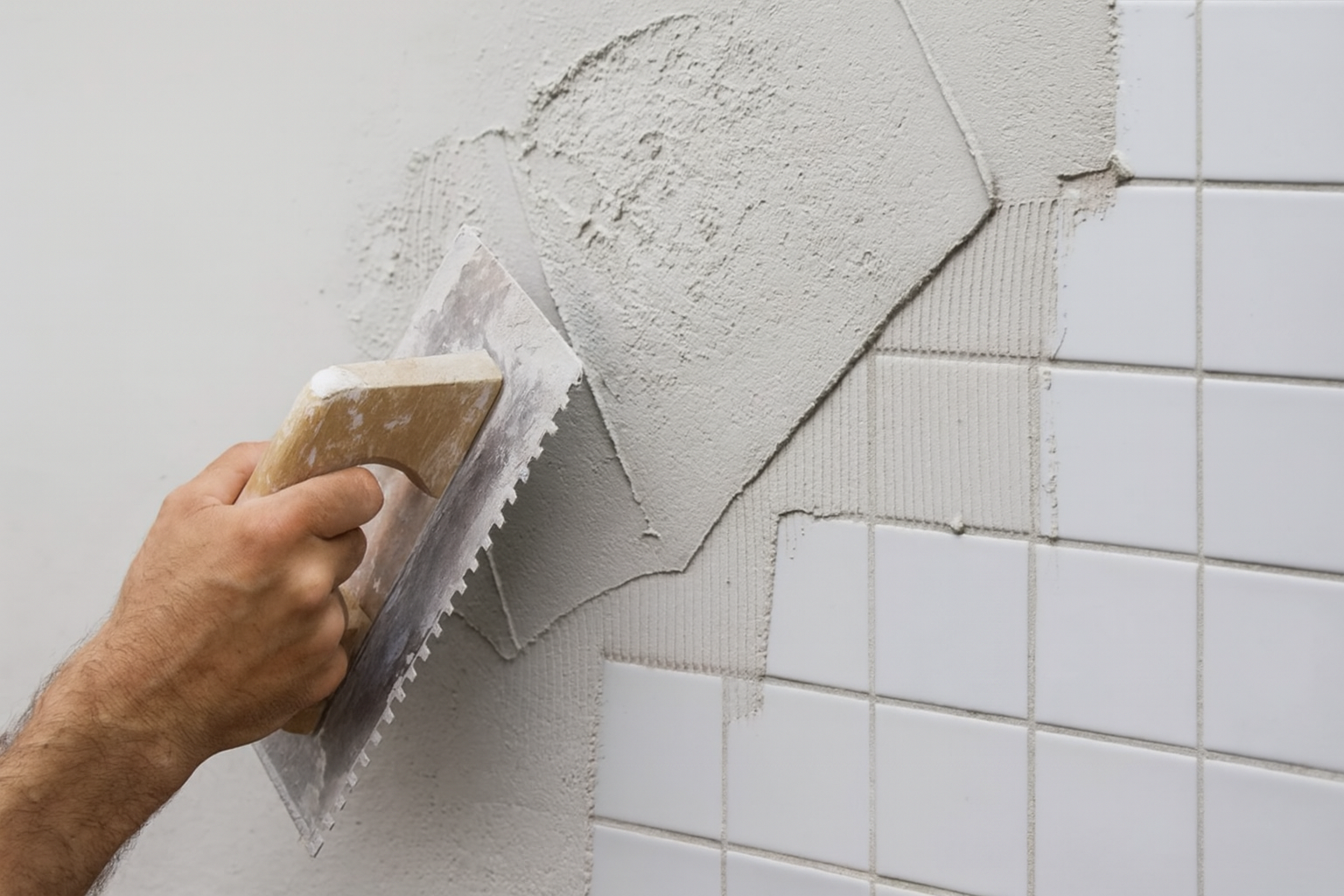
Tile Resurfacing With Microcement
Resurface Tiles Without Removal
Give your space a modern, seamless finish — without the hassle of demolition. Our X-Bond Microcement tile resurfacing system is designed to go over existing tiles, creating a grout-free surface that’s durable, waterproof, and architecturally sleek.
Resurface tiles without removal
Minimal disruption compared to full renovations
Seamless, strong, modern finish (no grout lines)
Ideal for bathrooms and showers, tiled floors, splashbacks and commercial spaces
Ready to upgrade your tiles? Request a quote from an applicator today.
What is tile resurfacing?
Tile resurfacing is a renovation solution that transforms the look of existing tiled surfaces without ripping out the tiles first. Instead of demolition, a new finish is installed directly over your current tiles. It saves time, cost, and disruption during renovations.
Tile resurfacing is a smart option if your tiles are:
dated or out of style
stained or impossible to keep clean
covered in worn grout lines
cracked in small areas (where the substrate is still stable)
structurally fine, but visually tired
If you want a full transformation without a full renovation, resurfacing is the shortcut that still delivers a premium result.



Why choose microcement for tile resurfacing?
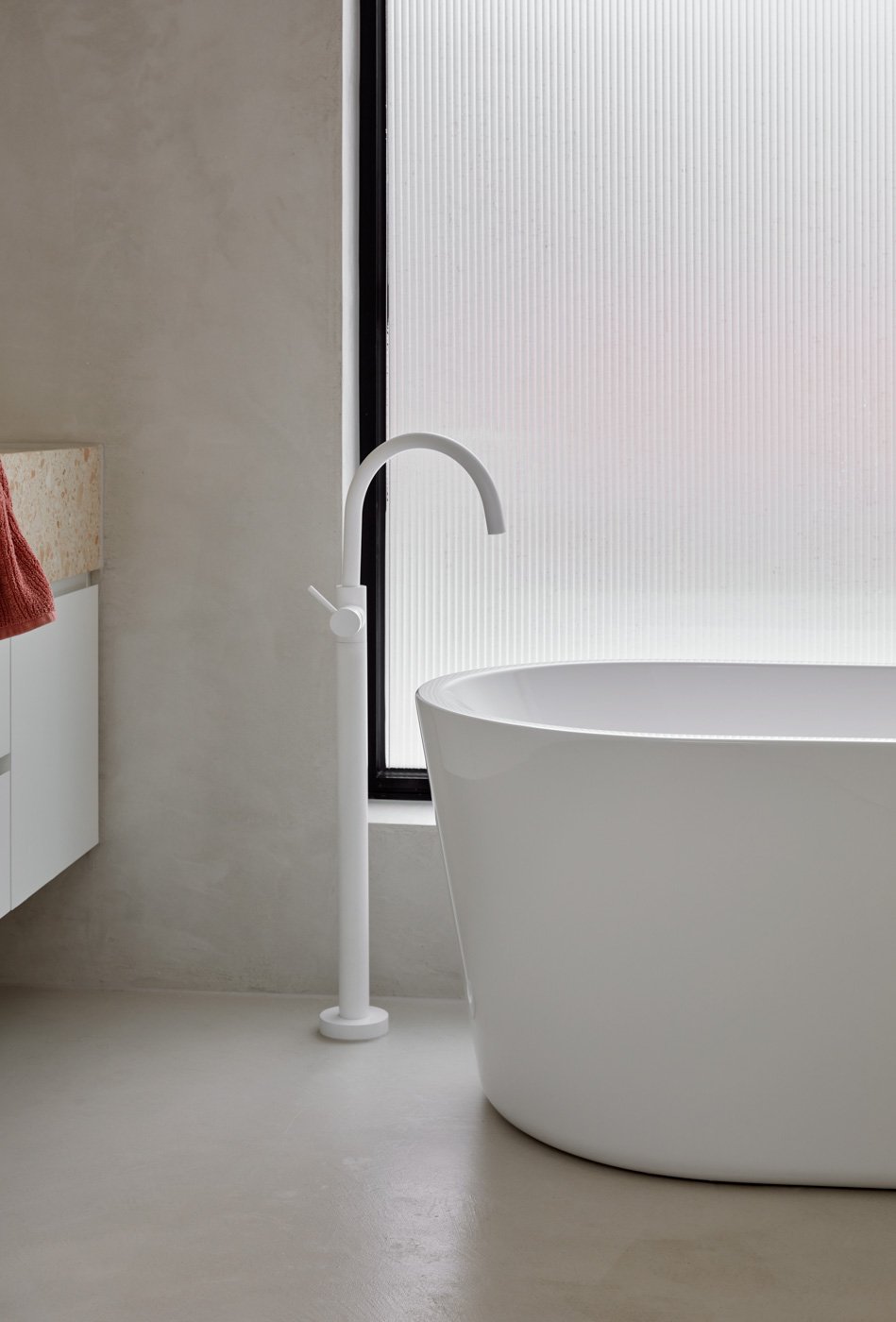
Microcement is one of the most design-forward ways to resurface tiles, creating a sleek and continuous finish that looks and feels like a high-end architectural surface. The reasons clients are specifying Seamless Overlays X-Bond Microcement for tile resurfacing include:
A seamless, grout-free finish
Microcement is applied in uninterrupted layers, resulting in a seamless, expansive finish that makes surfaces look cleaner, larger, and more refined. Not only that, but it can be easier to maintain than tiles, where bacteria gets trapped in grout.
Less mess and cost than tile removal
With correct preparation, you can avoid the mess and cost that comes with major demolition to your existing tiles.
Made for modern spaces
Microcement is a popular choice for contemporary interiors because it works beautifully across walls, floors, and features — creating a cohesive look throughout your home or commercial space.
Custom colours
Choose from a range of tones that suit your space — from warm neutrals to modern greys and even custom pigments.
A premium alternative to tile paint
Tile paint and quick-fix coatings can peel, chip, or look patchy over time. Microcement is a strong, layered system designed for long-term performance and a professional finish.
Outstanding durability
Sealed microcement is resistant to mould, stains, water, and damage from impact. With some light maintenance, this keeps your high-use spaces — like flooring and showers — in great condition for decades.
CodeMark Certified for wet areas
Not all microcement products are created equal. The X-Bond system waterproofing and sealing products that have earned it CodeMark certification in wet areas — meaning it has automatic deemed-to-satisfy waterproofing compliance as a specified finish in bathrooms, kitchens, and outdoor spaces. We’re Australia’s first microcement brand to have this certification.

Tiled Bathroom Before (1)

After Microcement Resurfacing (1)
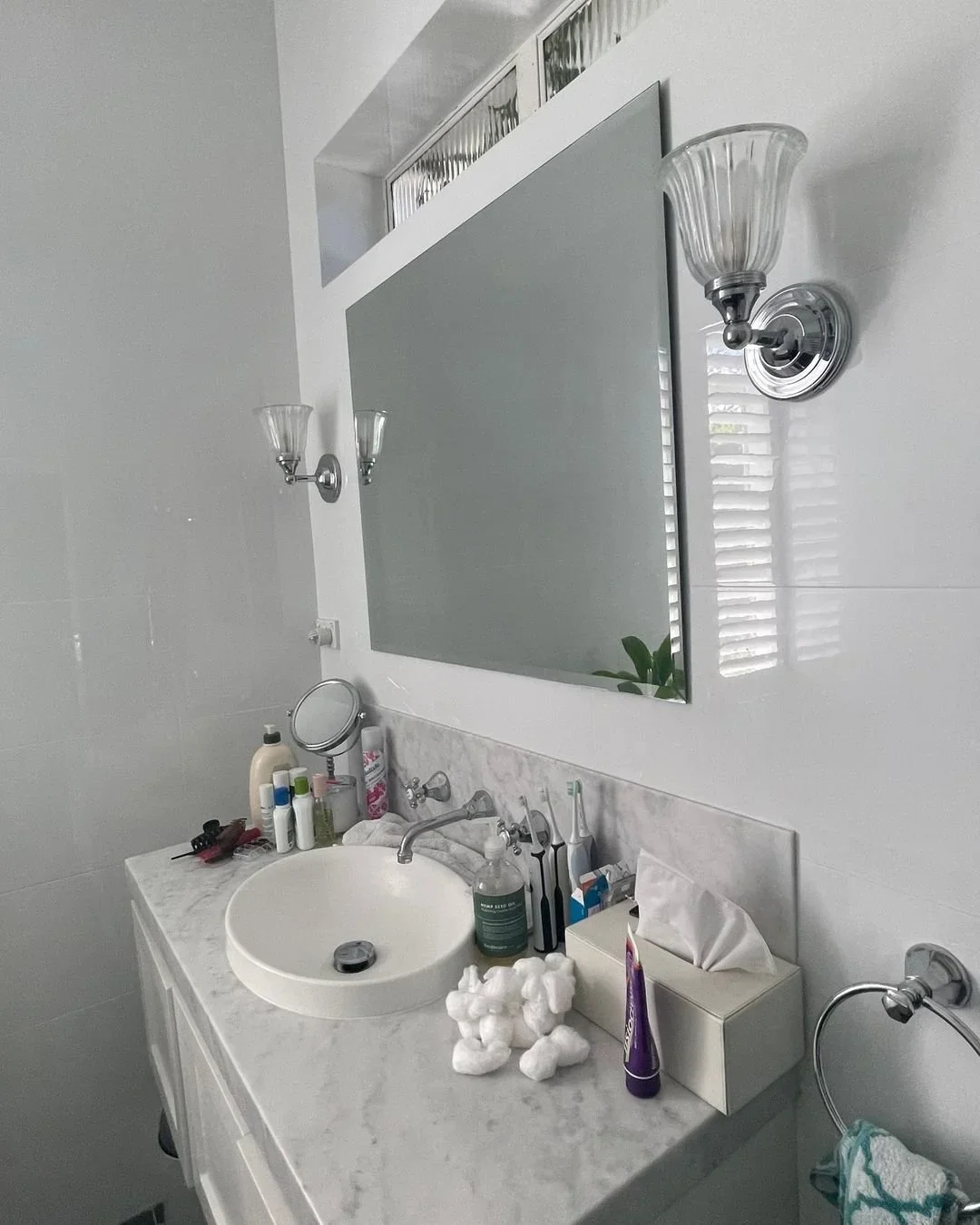
Tiled Bathroom Before (2)
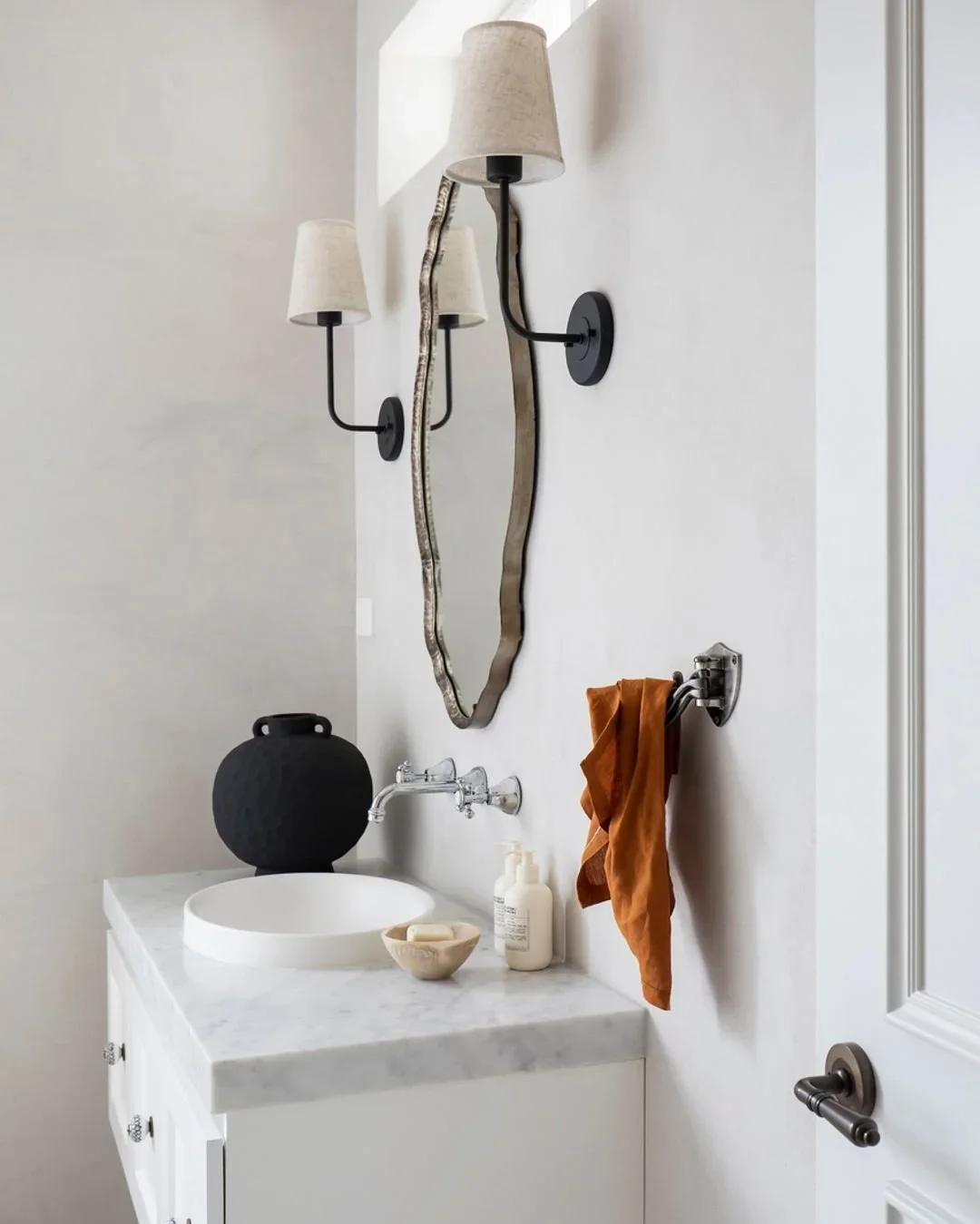
After Microcement Resurfacing (2)
Where can microcement resurface tiles?
Microcement tile resurfacing is versatile and ideal for both residential and commercial projects. The most common applications include:
Bathroom Tile Resurfacing
Perfect for:
shower walls
bathroom floors
full wet-area transformations
ensuite upgrades
vanity splash zones
Microcement is especially popular in bathrooms because it delivers a sleek, grout-free look that feels cleaner and more modern, as well as being easier to clean and more resistant to mould.
Kitchen Splashback Resurfacing
Want to modernise your kitchen without a full remodel? Microcement can resurface tiled splashbacks for a clean, minimal finish that works with any cabinetry style.
Floor Tile Resurfacing
Microcement is a great option for resurfacing tiled floors in:
kitchens
hallways
living areas
entryways
laundries
It gives you that polished concrete look without removing your existing floor tiles.
Commercial Tile Resurfacing
Ideal for:
cafes & restaurants
retail stores
salons & studios
office bathrooms
reception and entry areas
A seamless finish is not only stylish, but easier to maintain in high-use environments.

Process Overview
How tile resurfacing with microcement works
Every project is different, but our process typically follows these key stages:
1) Site assessment & surface check
Applicators inspect your tiles to make sure they’re suitable to resurface. The surface needs to be stable, sound, and properly prepared.
2) Preparation: Cleaning, Levelling & Waterproofing
Cleaning the area helps microcement adhere correctly. To achieve a seamless finish, grout lines are filled and levelled so they don’t “telegraph” through the final surface. In wet areas, a liquid waterproofing membrane is applied as primary waterproofing and anti-fracture protection in one.
4) Microcement application
Our X-Bond Microcement is applied in two thin layers to build strength, texture, and the final look.
5) Sealing & protection
Our professional sealing system is applied to protect the surface and support long-term durability — especially important in wet areas and high-traffic zones.
Want an accurate timeline and quote? Our professionals will assess your surface and recommend the right approach.
FAQs (Tile Resurfacing With Microcement)
-
Tile resurfacing can often be more cost-effective than removing tiles, repairing substrates, and retiling — especially when you factor in labour, waste removal, and downtime. In general, microcement is similar in price to most other hand-applied, bespoke finishes including high-end tiles and artisanal/custom varieties.
-
While microcement is designed to be installed over existing tiled surfaces, there are some cases where existing tiles can be unsuitable as a substrate. An applicator may need to demolish the tiles beforehand if:
the tiles are loose or drummy
the substrate underneath is unstable
there’s existing water damage
-
Not when filled and levelled correctly before the microcement is applied. If levelling does not take place, the new microcement finish will likely fail.
-
Microcement is not inherently waterproof, but rather will be applied over a waterproofing membrane and then sealed with a professional system designed for wet areas. Not every brand offers this as part of their product system, which is why it’s important you do your research before specifying.
-
Yes! Microcement is a popular choice for floors because it creates a hard-wearing surface that withstands wear and tear with high levels of foot traffic.
-
Timeframes vary depending on the size of the project, surface condition, and curing requirements. Most installations take a few days, especially in wet areas.
-
Microcement surfaces are easy to maintain. We recommend:
pH-neutral cleaners
avoiding harsh abrasives
wiping spills from bathroom products/boiling oils where possible
following care guidance to protect the seal