
How to Choose Flooring for Investment Properties — And Why Microcement Works
Whether it’s an Airbnb, rental property, or remodel for resale; design decisions for a second home serve a larger purpose as part of an investment.
When it comes to flooring, this means striking a balance between aesthetic appeal, durability, and ease of maintenance — all while appealing to a wide range of guests or tenants. The right material should ultimately protect and even increase the value of the property.
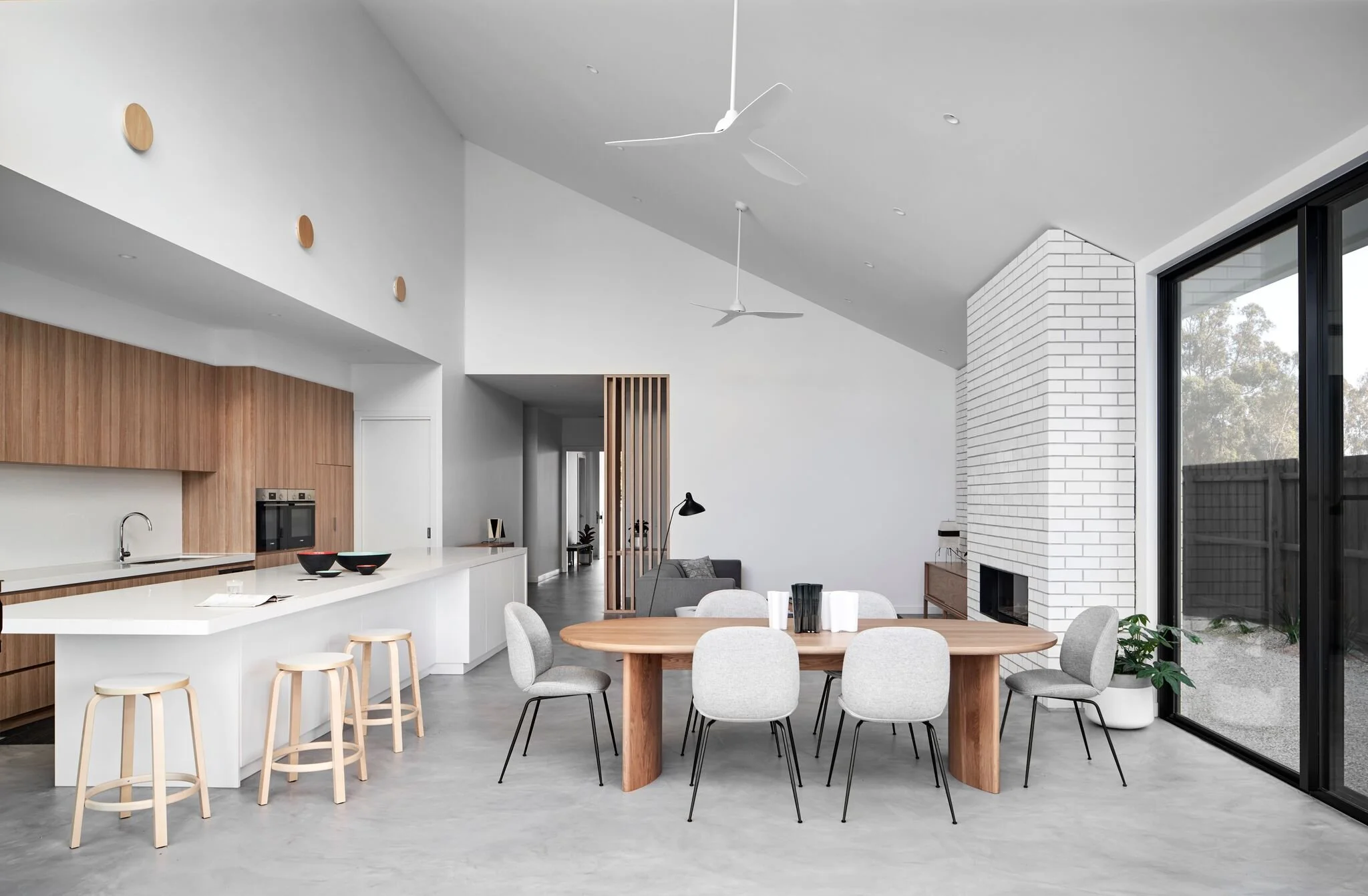
Unlike owner-occupied homes, rental properties experience higher foot traffic, more frequent turnover, and less controlled wear and tear. Your flooring needs to:
Withstand constant use
Be easy to clean between stays
Maintain its appearance over time
Appeal to a broad audience
This is where some flooring options are becoming more popular than others. Here’s how to choose flooring for rental homes — and why a microcement floor finish is becoming the preferred choice of Australian homeowners who are renovating investment properties.
1. Prioritise durability without sacrificing design
Durability is non-negotiable. With constant foot traffic, luggage, spills, and/or frequent turnovers, your flooring needs to withstand daily wear without quickly showing signs of damage.
But durability doesn’t have to come at the expense of design.
Materials like:
Tiles (resilient but grout-heavy)
Vinyl (affordable but can feel lower-end over time)
Timber (beautiful but susceptible to scratches, dents, and moisture)
…all offer durability in different ways, but each comes with compromises — either in maintenance, longevity, or overall aesthetic.
The key is choosing a flooring finish that balances long-term performance with a considered, design-led look. Increasingly, this is why more designers and property owners are leaning towards seamless flooring solutions like microcement or polished concrete.
Microcement flooring is a highly durable, hard-wearing surface that resists everyday wear while maintaining a refined, architectural finish. Unlike traditional materials, it doesn’t rely on joins, grout lines, or individual planks — reducing weak points where damage typically occurs.
The result is a floor that not only holds up over time, but continues to look clean, modern, and intentional.
2. Think renovation-friendly materials
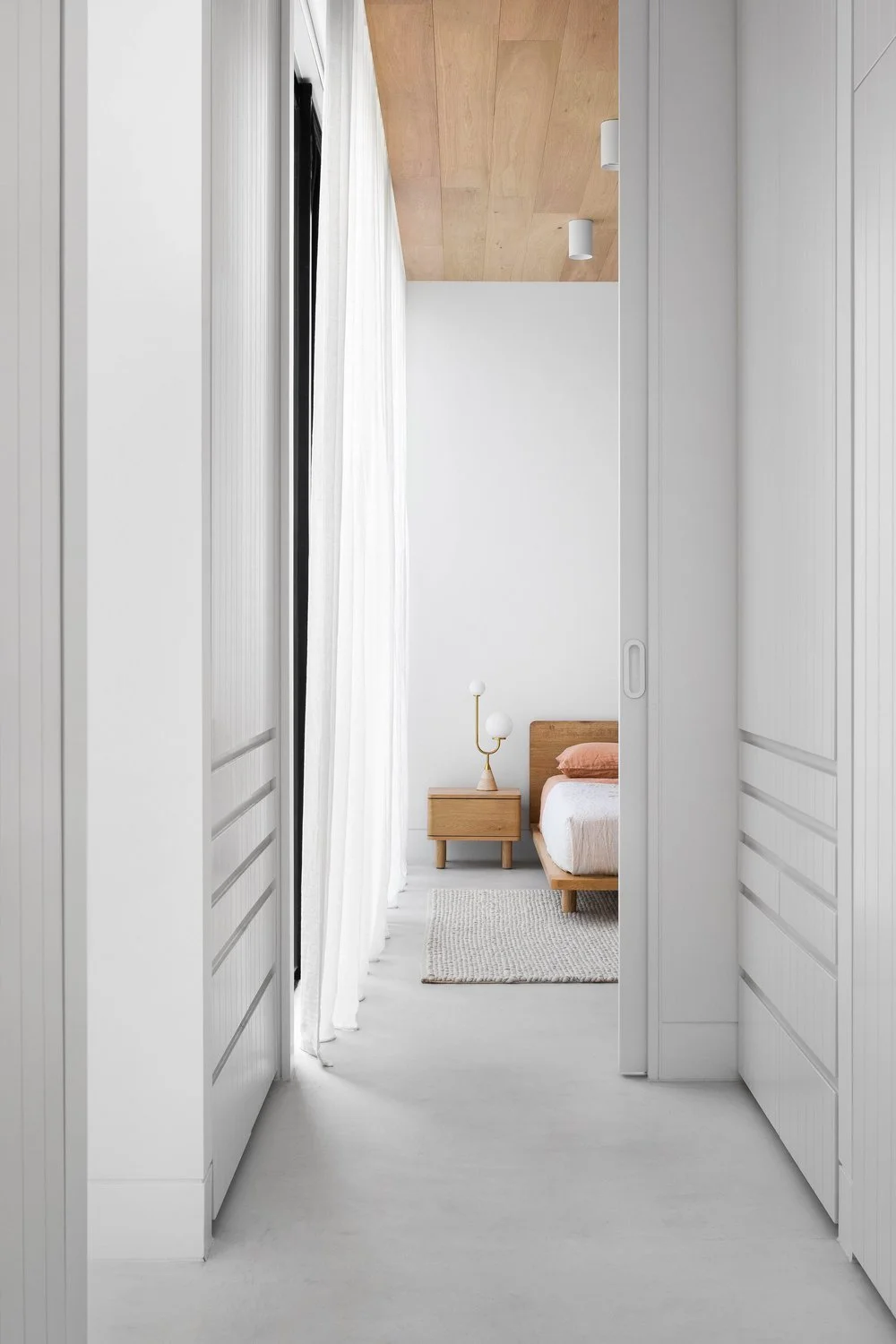
If old flooring needs a bit of work before it’s ready for guests or tenants, overlays are your best friend. Because they’re applied by hand as a coating over existing substrates, overlays like microcement avoid many of the structural limitations of traditional materials in remodels.
As you’re preparing a rental for the market, microcement flooring allows you to transform a space quickly and effectively without the need for full floor removal. Its ability to be applied over existing tiles, concrete, or screed makes it especially valuable in renovations where time, cost, and disruption are key considerations.
This means you can achieve a seamless, modern flooring finish with minimal downtime, getting your property ready to generate income sooner while elevating its overall design appeal.
Read More: 5 Reasons Homeowners Are Switching to Microcement for Their Renovations
2. Choose low-maintenance options
For Airbnb hosts especially, cleaning efficiency directly impacts profitability. You want flooring that:
Cleans quickly between guests
Doesn’t trap dirt or grime
Doesn’t require specialised maintenance
This is another area where seamless flooring becomes a major advantage.
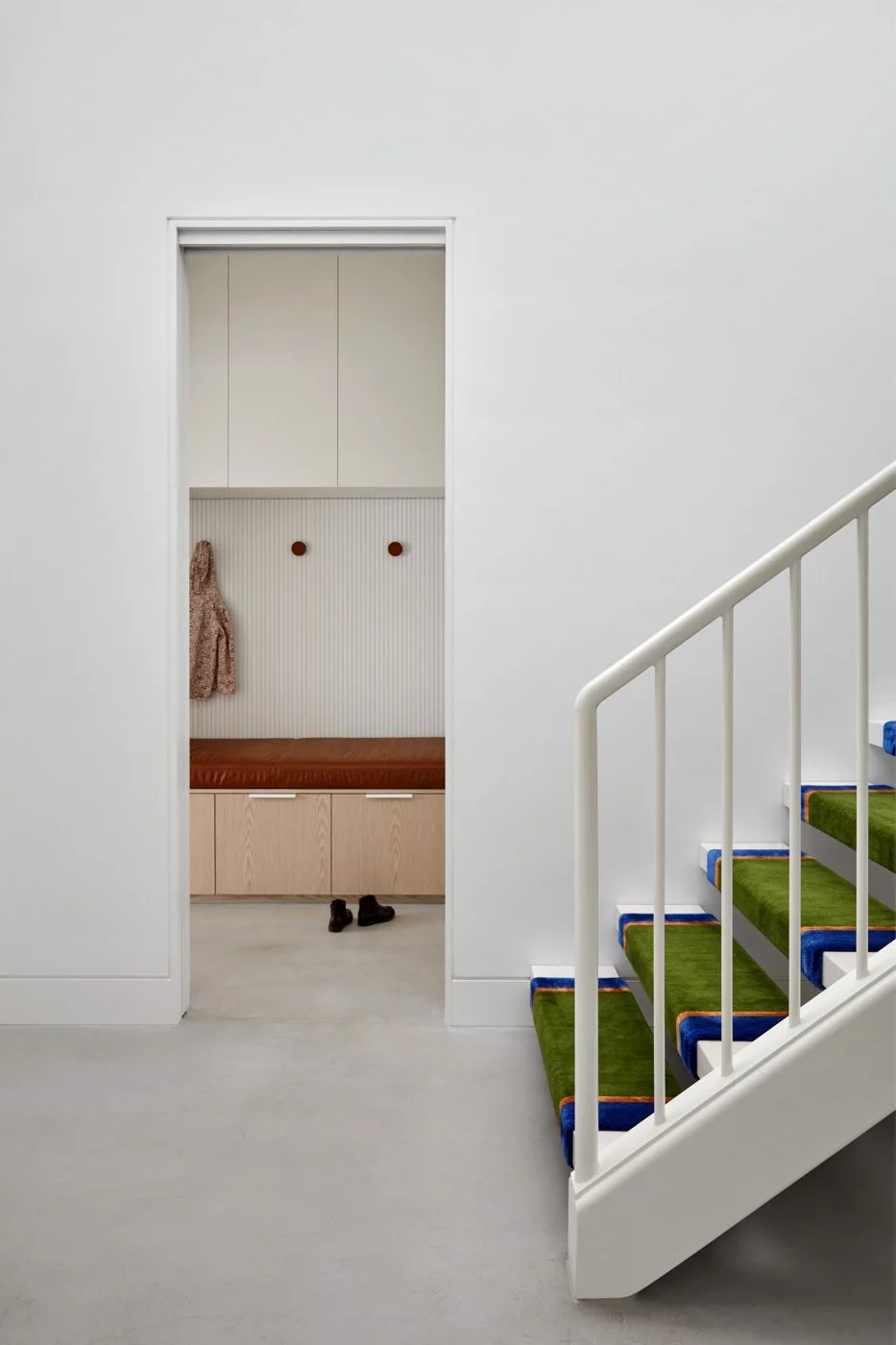
Unlike tiles, which have grout lines that collect dirt and discolour over time, microcement flooring is completely seamless, making it significantly easier to clean and maintain. A simple mop and water with mild detergent are usually all that’s needed, ideal for fast turnovers.
3. Design for broad appeal, not personal taste
Investment properties perform best when they feel neutral and design-forward, but not polarising. Flooring plays a huge role in setting this tone.
Most properties feature carpet or timber because they’re familiar, widely available, and seen as safe, conventional choices for residential spaces.
Microcement is another universal option: with a soft, matte finish and natural texture that make it highly versatile across styles — from coastal homes to modern, minimalist mansions or urban loft apartments. Neutral tones like warm greys, beiges, and off-whites create a timeless base that works with almost any furniture or styling. This makes it a smart choice for properties where interiors may evolve over time.
Read More: Trending Microcement Design Ideas
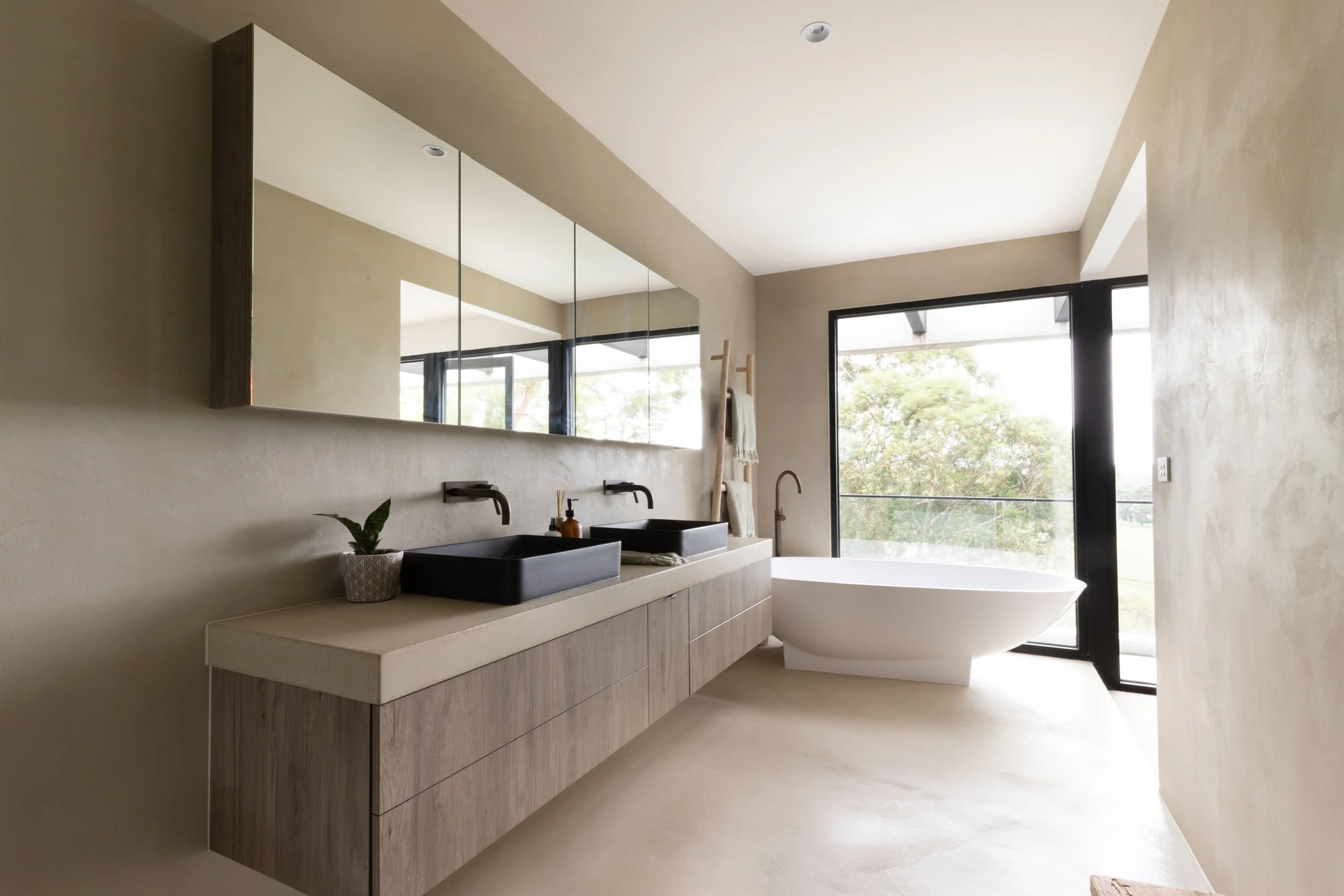
4. Consider moisture resistance
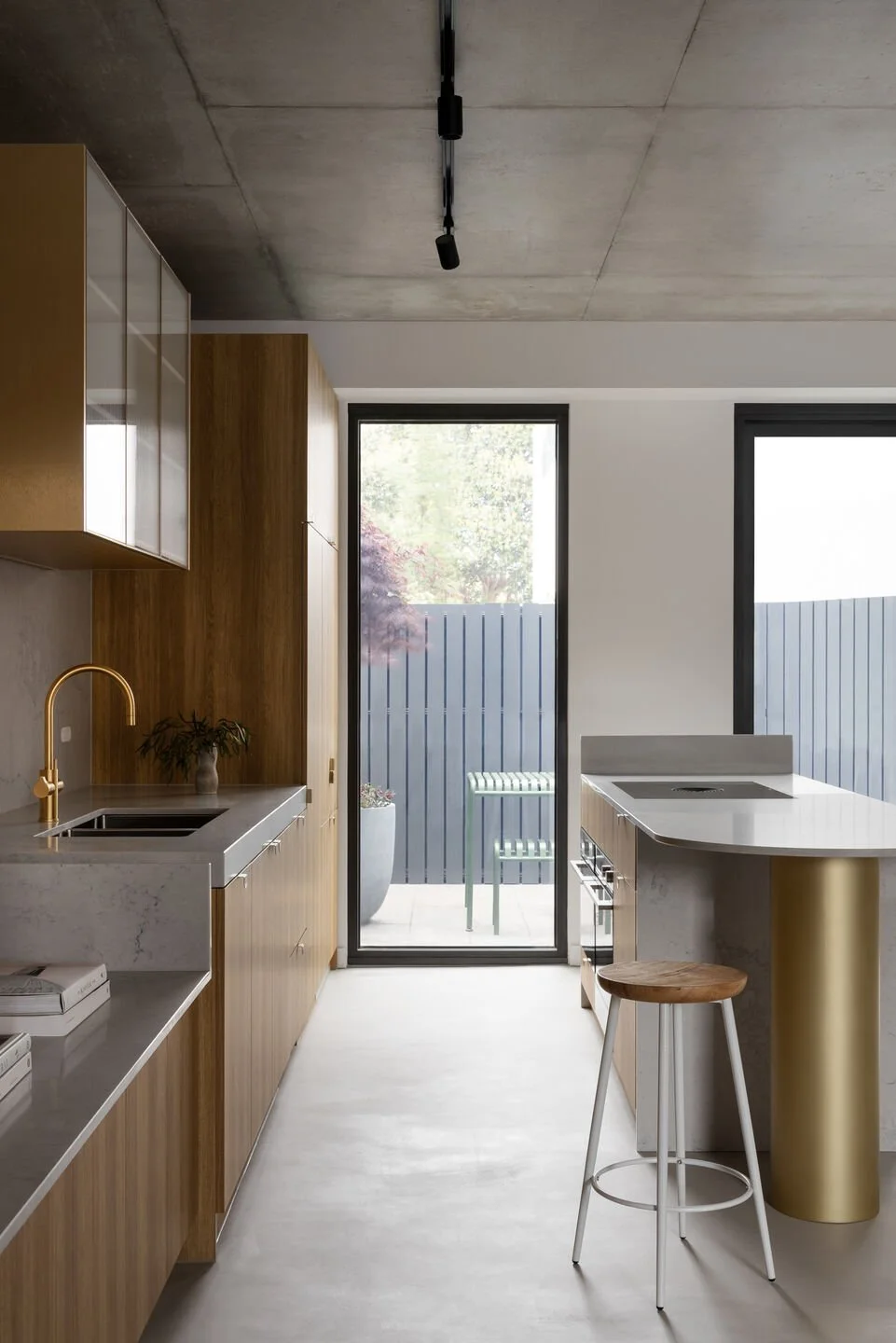
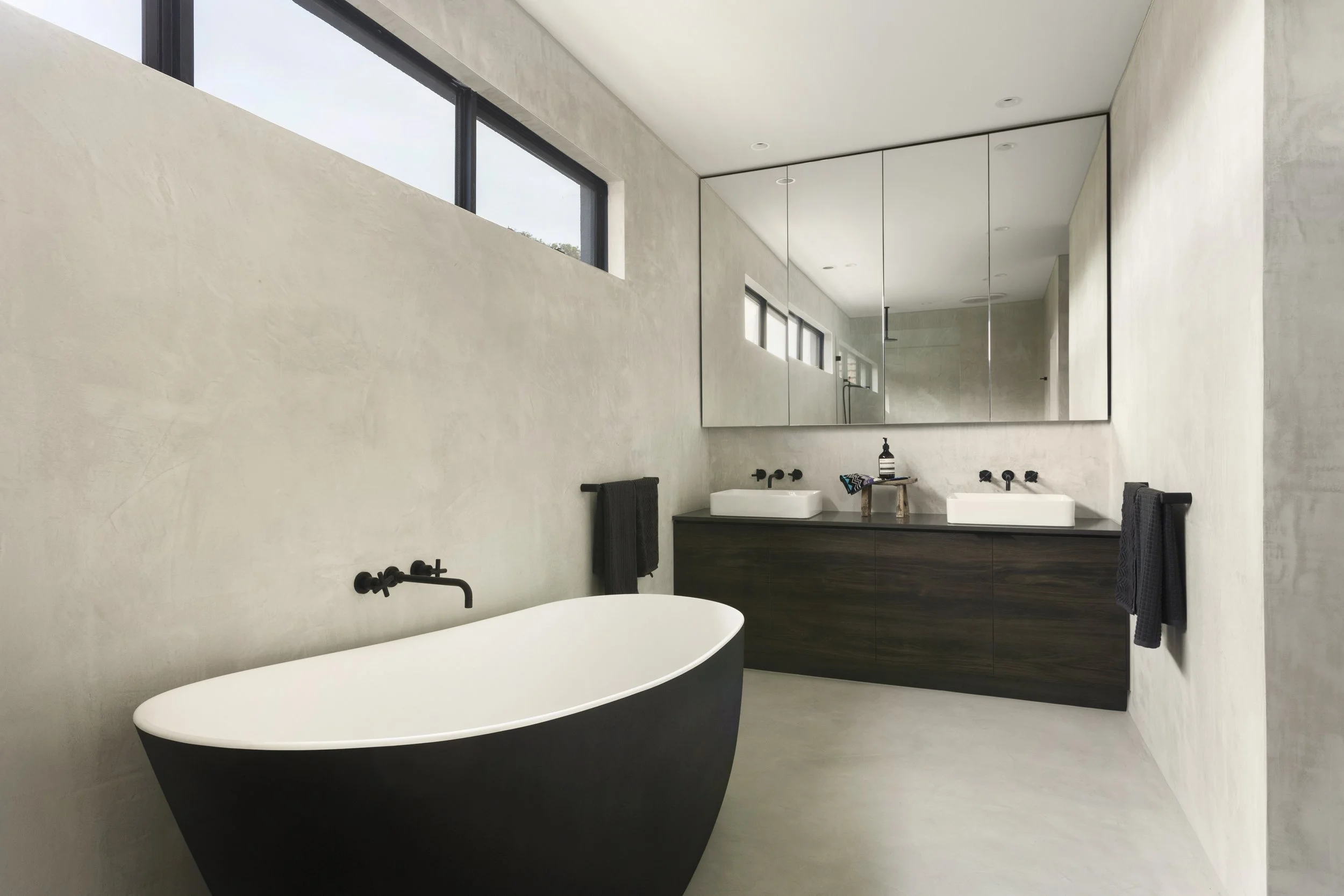
Bathrooms, kitchens, and ground level walkways are high-risk zones in any rental. This is especially true for properties near the beach, like many Airbnbs, where sand, salt, and water are constantly being brought inside.
Some flooring options handle this better than others. Tiles, for example, are a common choice due to their water resistance, although grout lines can become a maintenance issue over time in bathrooms, trapping dirt and discolouring. On the other hand, carpet is generally unsuitable for these zones.
This is where microcement flooring becomes a strong option. It depends on the system, but Seamless Overlays X-Bond involves waterproofing and sealers that make it suitable for wet areas.
The added benefit is consistency. Rather than switching between different materials in each zone, microcement allows for a continuous flooring surface throughout the home — simplifying maintenance while creating a more cohesive, elevated look.
5. Consider weather resistance
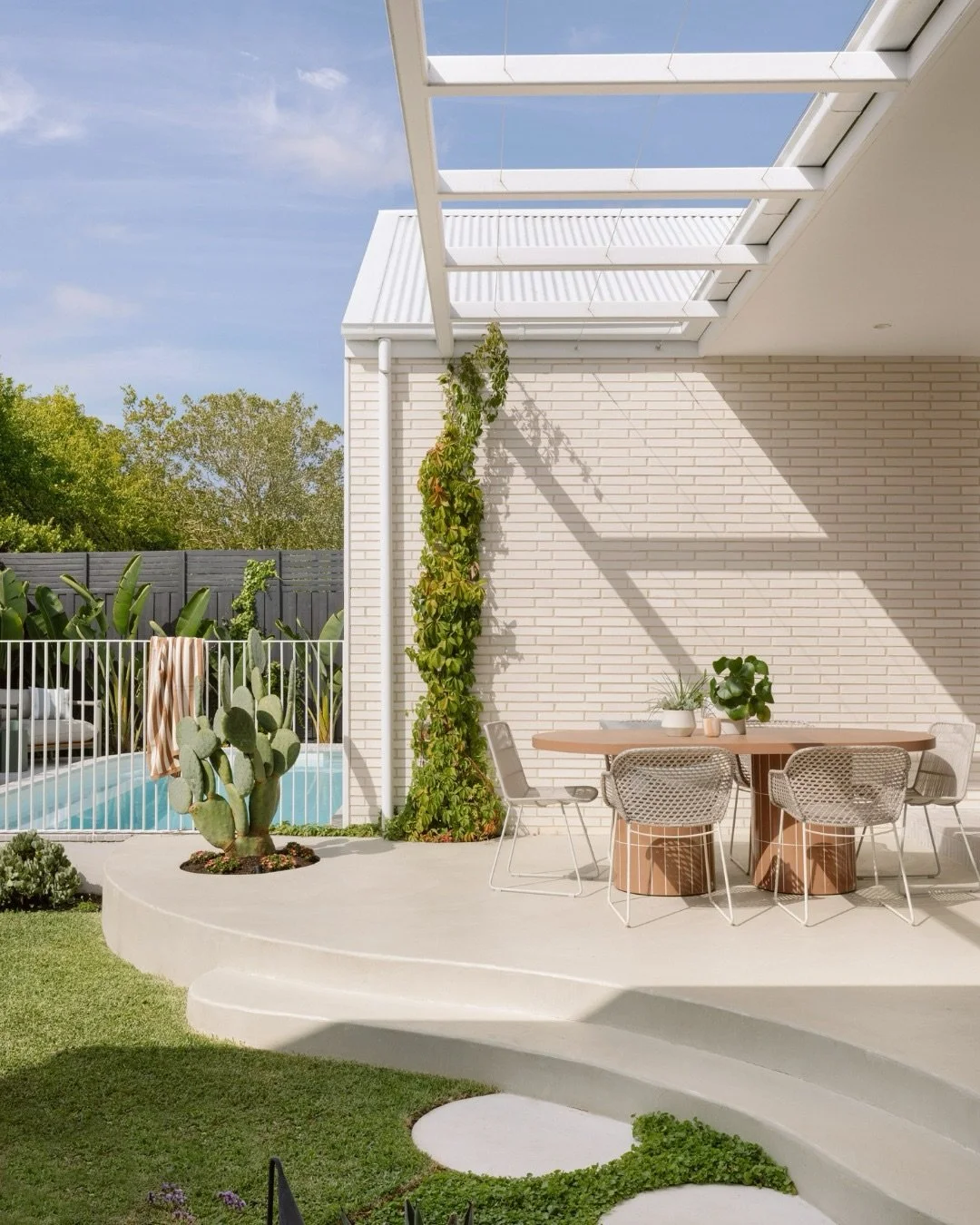
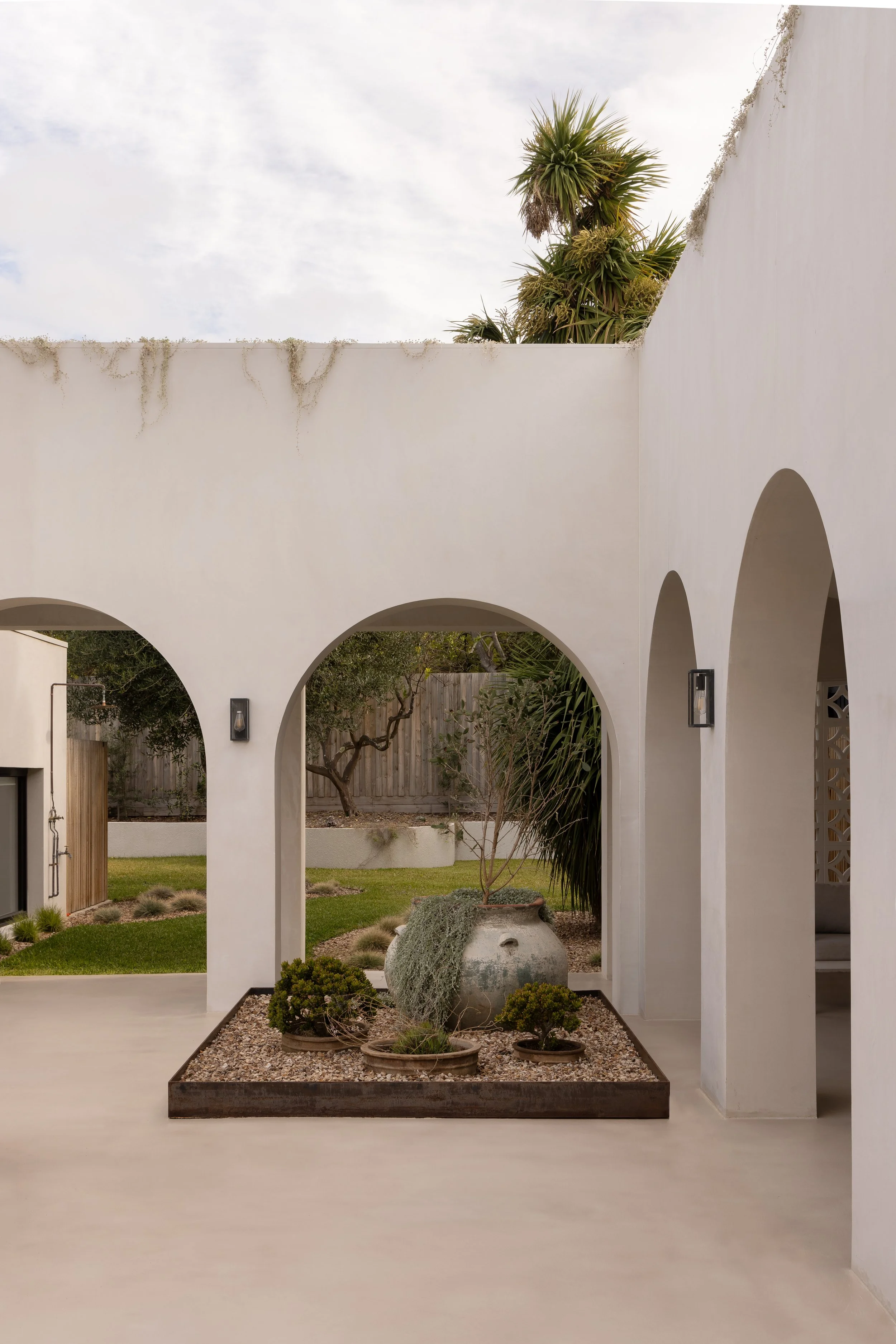
Outdoors walkways and alfresco areas are all subject to sun, rain, and moisture. Some materials struggle in exterior conditions. Timber, for example, can warp or fade with prolonged exposure to moisture and UV. Even large format stone tiles, while weather-resistant, can weather, stain, and require ongoing maintenance over time.
The ideal solution is a surface that can handle environmental exposure while maintaining a consistent, design-led finish.
When properly sealed, microcement offers strong resistance to moisture and weather conditions, making it suitable for both interior and exterior applications.
Read More: Microcement for Outdoor Spaces
6. Think Long-Term Value, Not Just Upfront Cost
It’s tempting to choose the cheapest flooring option upfront, but in rental properties, replacement and maintenance costs add up quickly.
A slightly higher initial investment in durable, low-maintenance flooring like microcement can result in:
Fewer repairs and replacements
Lower cleaning and maintenance costs
Stronger visual appeal (leading to higher nightly rates or rental value)
Over time, this often delivers a better return on investment. Microcement flooring contributes to a high-end, architectural look that instantly elevates the perception of your property, without relying on overly trendy finishes that may date quickly.
Learn more about what makes X-Bond durable in our guide to microcement longevity.
The best flooring for investment properties is one that balances:
Durability (to withstand constant use)
Low maintenance (for easy turnovers)
Design appeal (to attract buyers, guests or tenants)
Microcement flooring ticks all three boxes, offering a seamless, modern surface that performs as well as it looks. If you’re looking to future-proof your rental while creating a standout interior, it’s a flooring option worth serious consideration.
Contact Seamless Overlays microcement suppliers Australia to get your project started.