
How to Connect Old and New in a Contemporary Renovation
There are many ways to approach a renovation. For some, the appeal lies in making contemporary additions deliberately distinct — a clear architectural line between what was there and what has been added. For others, the goal is to retain as much of the original home as possible, allowing its history and character to remain part of the way the new spaces look and feel. We feel like the best approach is somewhere in the middle.
This is particularly relevant to Australian architecture, where Victorian terraces, Edwardian homes, mid-century houses and other established properties are regularly being extended and reworked rather than knocked down and replaced. When there’s something worth preserving, the opportunity is to work with it rather than design around it.
The biggest challenge to any renovation is making sure the resulting space feels cohesive. The solution often comes down to finding the right balance between continuity and contrast.
Here’s our approach to balancing the old and new in a home renovation.
Embrace The Differences
Sometimes, the most effective way to celebrate the historical details of a home is to embrace their opposite. Allowing new architecture to be distinctly contemporary makes original details feel even more authentic and significant.
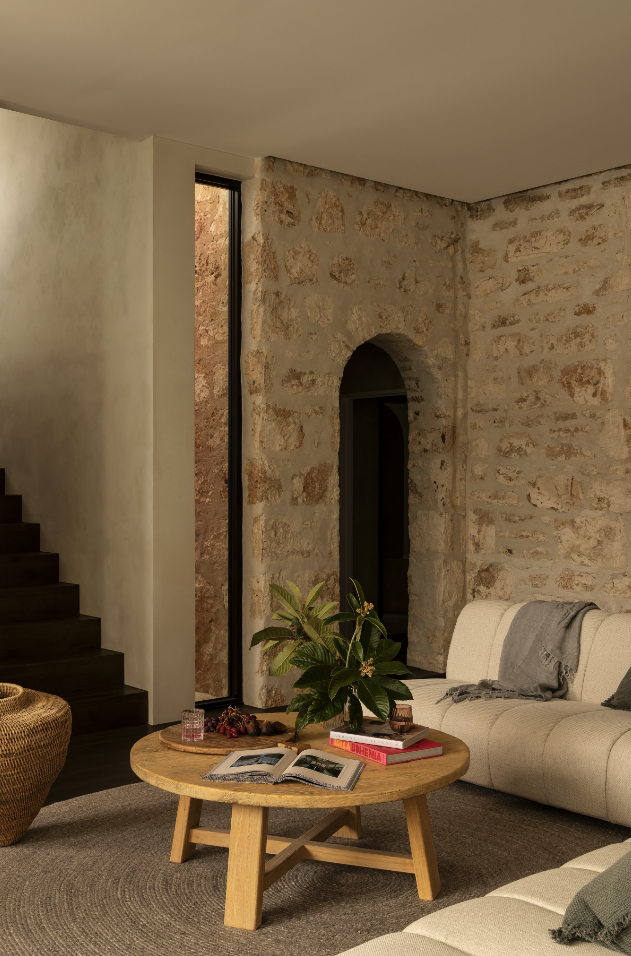
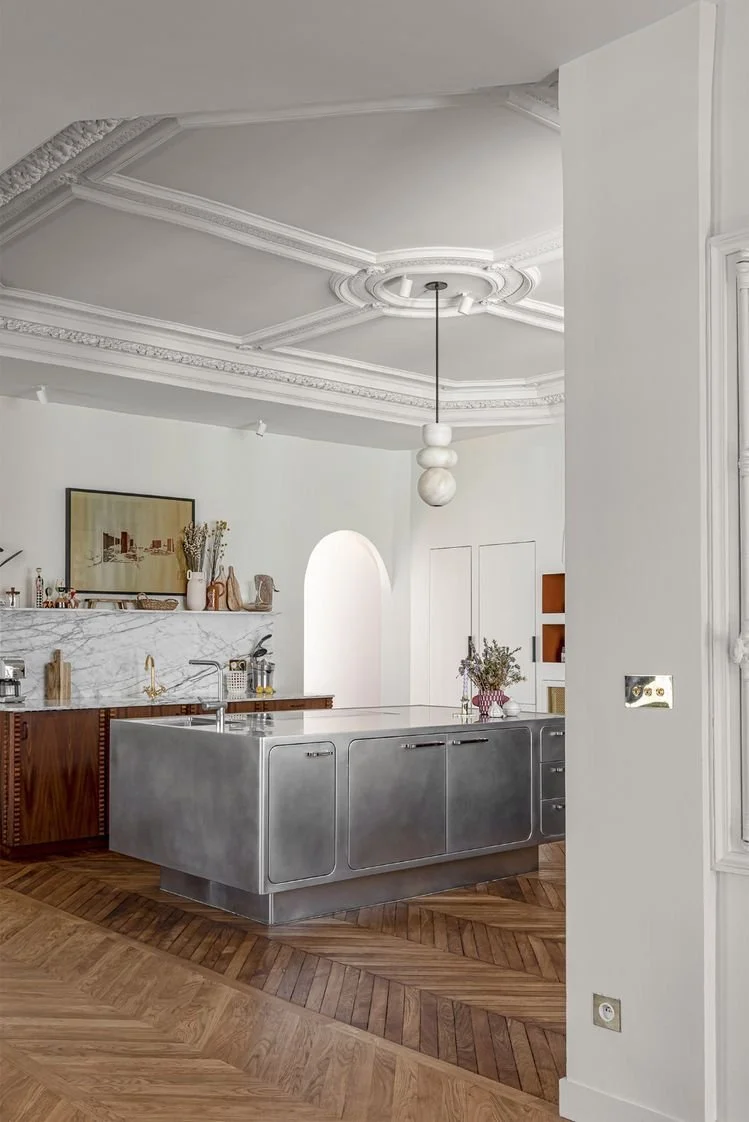
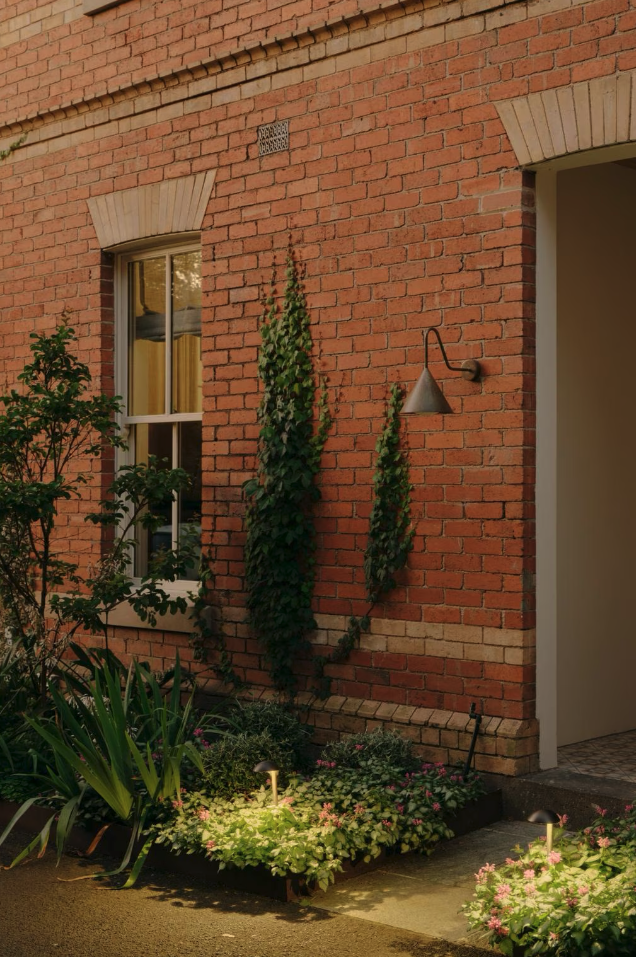
A rough 19th-century stone wall alongside sleek microcement. Ornate cornices opposite minimalist kitchen joinery. A freshly planted garden meeting the weathered brick of an old façade. This contrast can become one of the strongest features of a renovation.
The important distinction is that it feels deliberate, and not disconnected. Establish a clear narrative, then carry the same design language throughout the project to create a relationship between old and new — one where they make each other stronger.
Related Reading: The Renovation Shortcut Most Homeowners Don’t Know About
Think Carefully About Material Transitions
The point where one material ends and another begins deserves more attention than it often receives.
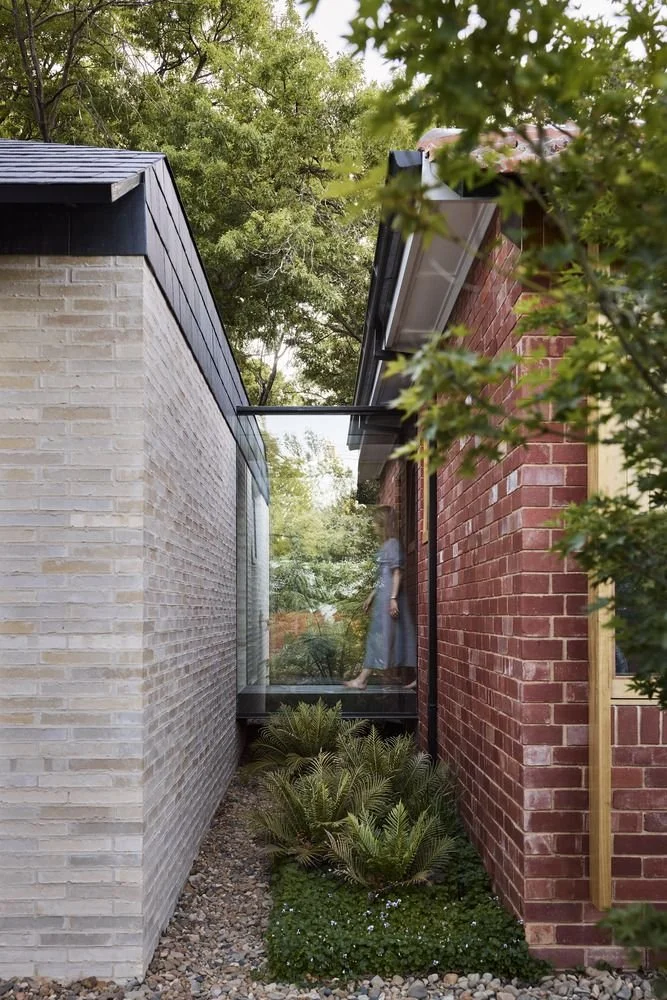
This is especially true when an original home opens directly into a contemporary extension. A sudden change in flooring, wall treatment or ceiling height can either become an intentional architectural moment or an awkward dividing line.
There is no rule that says materials need to continue uninterrupted.
Sometimes a clearly defined threshold is the best way to acknowledge the transition into an extension. We see this executed beautifully with glass walkways. But in other projects, continuing one material throughout spaces can soften that boundary and make the home feel more connected.
Tip: Seamless renders like microcement can be used to create a floor finish that flows throughout the entire home. It can even be applied directly over old concrete slabs or stone floor tiles.
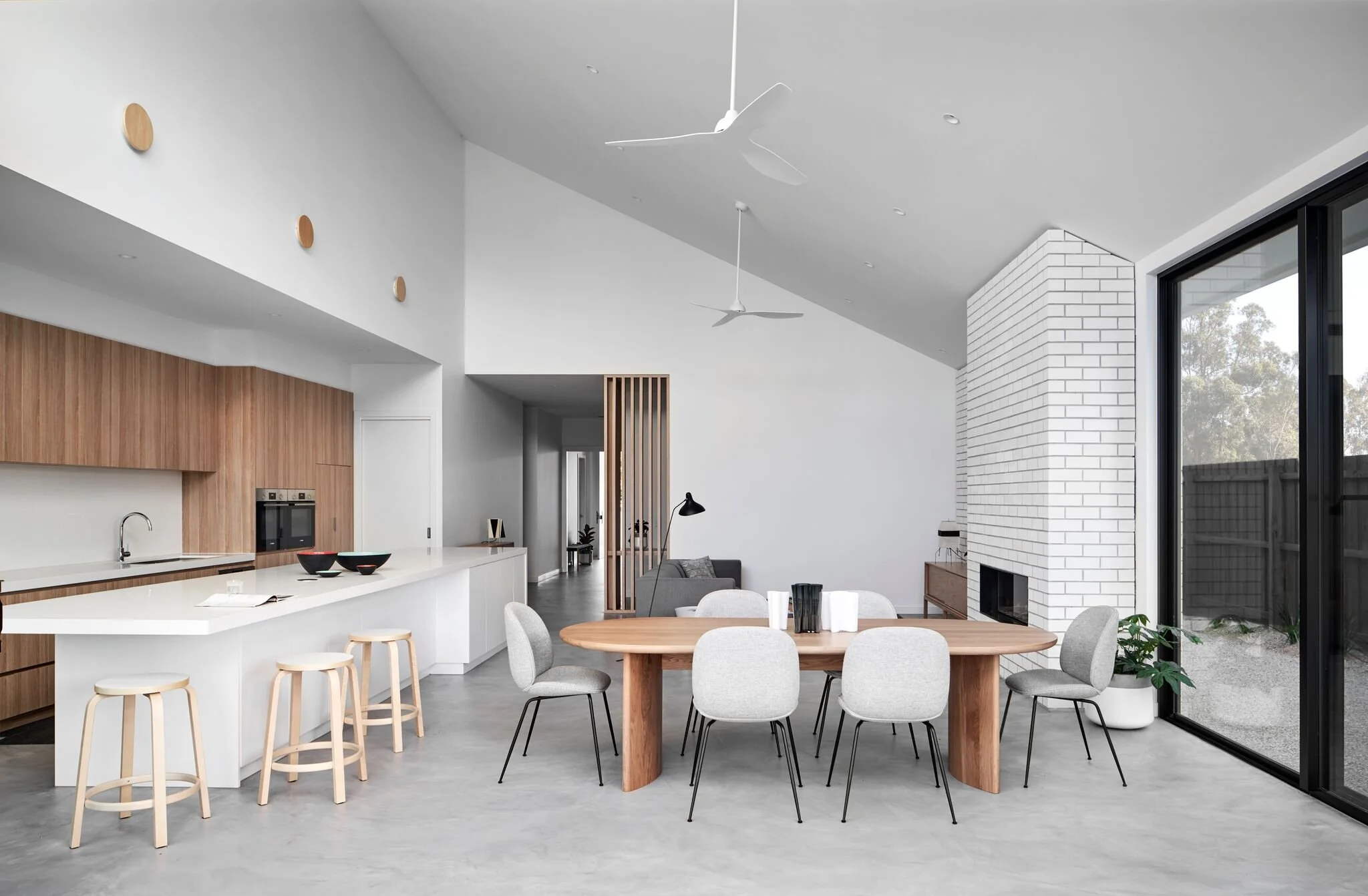
Use Flooring to Create a Common Ground
Flooring has an enormous influence on how we perceive the relationship between rooms.
Where different materials are introduced at every doorway, the home naturally becomes more visually segmented. This can be appropriate in a house where individual rooms have distinct identities, but it can work against the sense of openness often desired in contemporary architecture.
One option is to introduce a continuous flooring material through the newer areas of the home — particularly across kitchens, living rooms, dining spaces and connecting zones.
Microcement flooring can work particularly well in this context. Rather than being installed as individual tiles or boards, it creates a continuous hand-trowelled surface with minimal visual interruption. Its thin profile also makes microcement particularly relevant to renovation projects, where existing substrates and finished floor heights can influence which materials are practical.
Learn more in our Microcement Flooring Guide.

The Bathroom — Know When to Start Fresh
Bathrooms are often among the most comprehensively renovated spaces in an older home. Unlike the charm of worn brick façades or original floorboards, an outdated bathroom isn't always something you can simply embrace for its character. These are hardworking spaces, used every day, where waterproofing, functionality, storage and ease of maintenance have to come before nostalgia.
That usually makes the bathroom your opportunity to create something entirely fresh. Here are five of our favourite bathroom renovation tips:
Look elsewhere in the home for inspiration. The old bathroom might have little worth saving, but the rest of the house can provide plenty of cues. Materials, colours, shapes or materials used elsewhere can be subtly referenced.
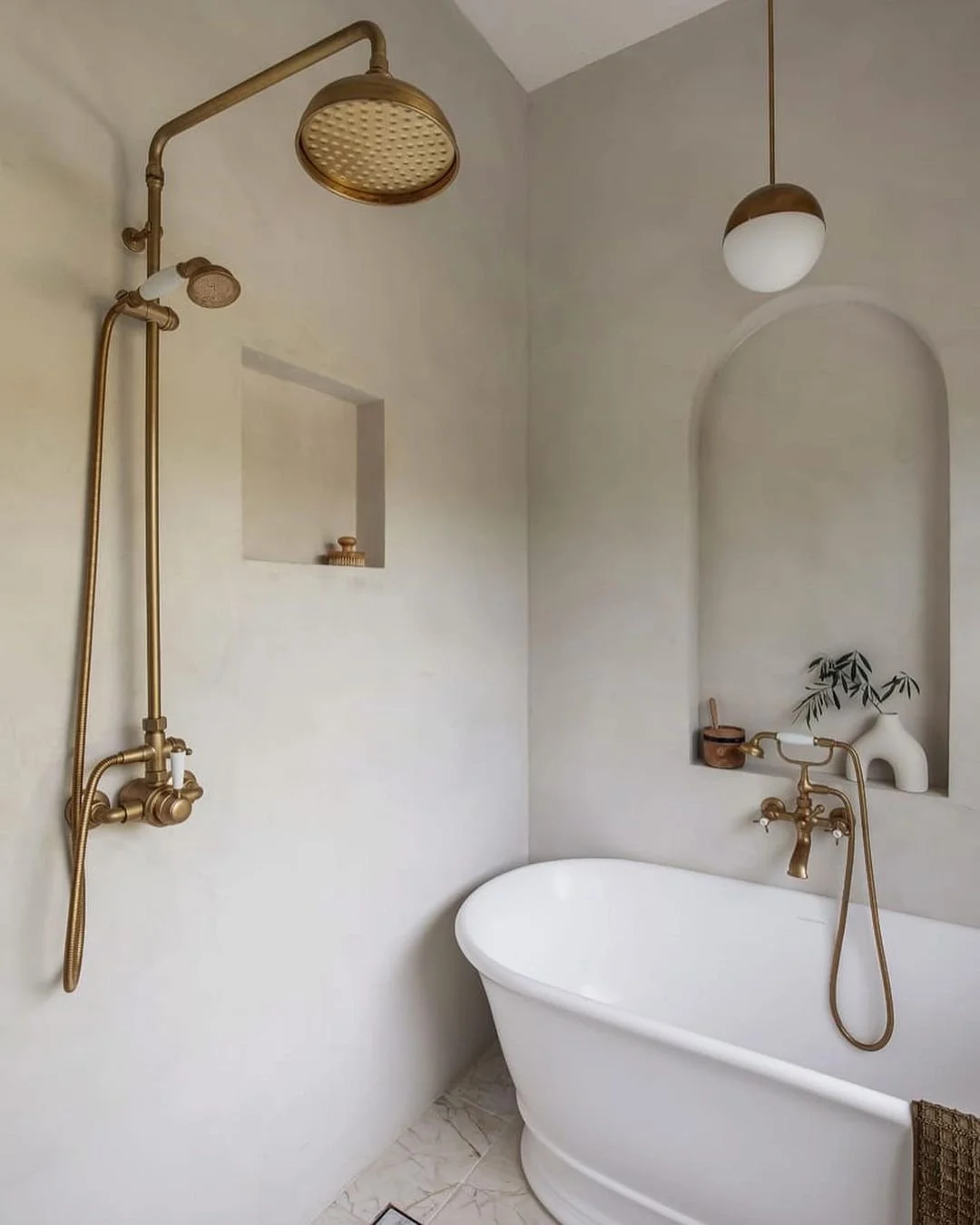
Honour the era. Heritage-inspired tapware can offer a nod to the building’s age without turning the bathroom into a period replica. Likewise, a 1970s home might inspire glass bricks, warm tones or bold geometric forms interpreted in a much more contemporary way.
Bring back the bath. Rather than automatically defaulting to a large walk-in shower, consider whether a freestanding or built-in bath could become the architectural centrepiece of the room. This references classic bathroom design, where the bath often held far more visual importance, while contemporary shapes, materials and finishes can bring the idea firmly into the present.
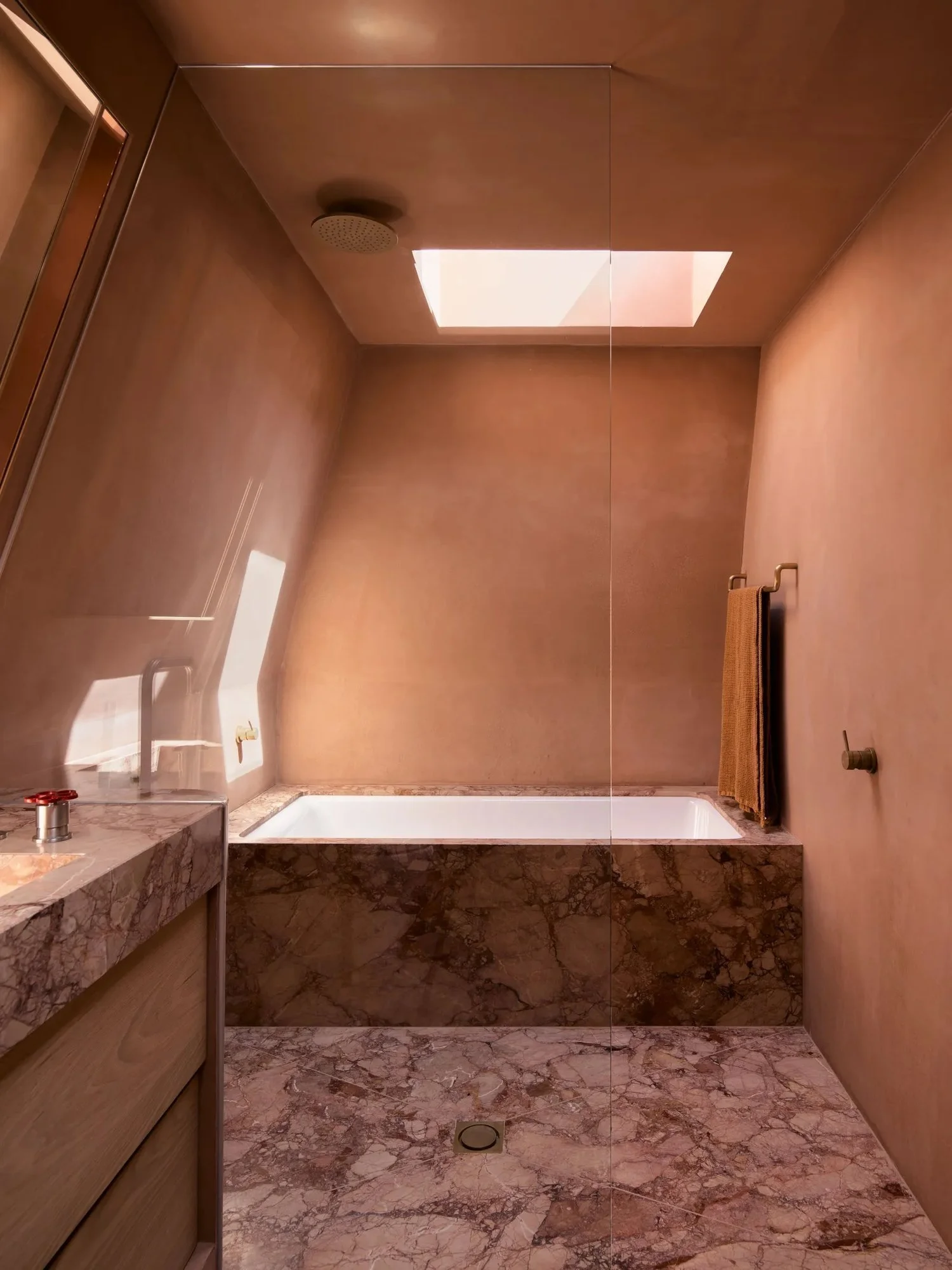
Try colour drenching. Use variations of the same colour across multiple surfaces. Tonal layering can make a bathroom feel immersive and considered, while different textures and materials prevent the space from feeling flat. It’s also a clever way to make a minimalist bathroom feel exciting and indulgent. Read Next: Our Favourite Ideas for Minimalist Bathrooms
Consider microcement for seamless surfaces. Microcement can be particularly effective in a renovated bathroom, where its hand-trowelled texture and natural variation bring back some of the material character that can easily be lost when an old space is completely rebuilt. Its seamless finish also eliminates traditional grout lines, making it one of the most low-maintenance bathroom finishes. And it can be applied straight over old bathroom tiles, eliminating the need for demolition.
A successful renovation doesn't have to erase the distinction between old and new. Quite often, the opposite is more interesting.
Retaining the character of the original building while allowing contemporary architecture to have its own identity creates a home that reveals how it has changed over time.
The connection comes from the decisions made between those two layers. When those transitions are handled thoughtfully, the home you started with and the space you end up in belong to the same story.