
Why Grout Is the Weakest Part of a Bathroom
Grout plays a critical role in every tiled bathroom, yet it's often the first thing to show its age. Over time, grout can become stained, discoloured, difficult to clean and, if not properly maintained, may contribute to moisture-related issues.
This is one of the reasons seamless bathroom finishes have become increasingly popular; by eliminating grout lines to simplify maintenance and extend the longevity of your surfaces.
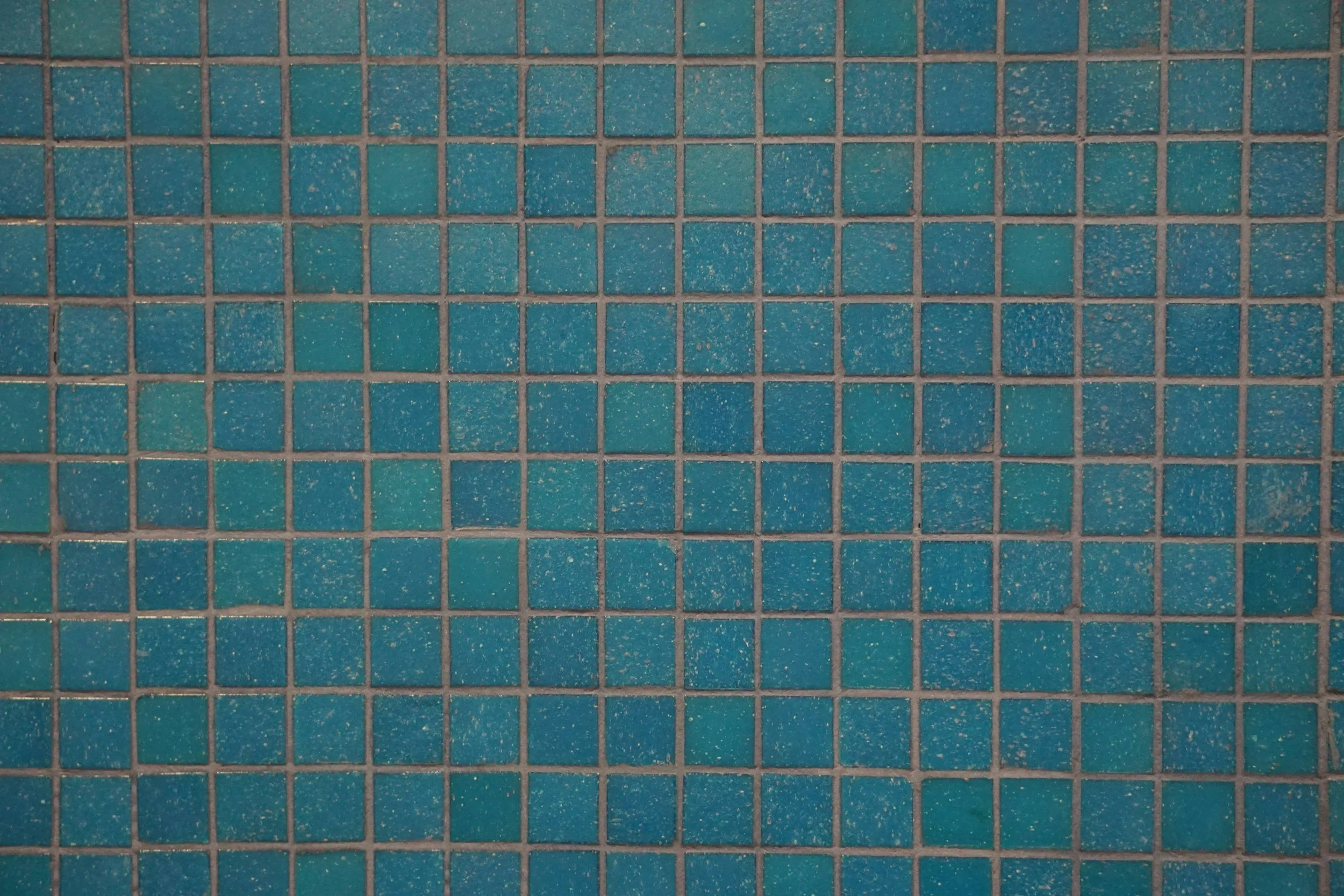
What Does Grout Actually Do?
Grout fills the gaps between tiles and locks them together. It's important to note that grout itself is not what waterproofs a bathroom. A properly constructed bathroom relies on a waterproof membrane beneath the finished surface to prevent moisture from reaching the substrate.
Why Grout Often Ages Faster Than the Tiles
Most quality tiles are extremely durable. Grout, however, tends to attract dirt and soap residue more readily, making it one of the first areas of a bathroom to lose its fresh appearance.
Common issues include:
Discolouration over time
Soap scum build-up
Mould or mildew on the surface in damp environments
Staining from hair products, cosmetics and cleaning chemicals
Grout lines becoming more noticeable as they age
Over time, grout can also deteriorate and become separated from the surrounding tiles. If left unrepaired, this can allow water to penetrate beneath the tiled surface. While a correctly installed waterproof membrane should continue to protect the underlying structure, damaged grout should always be repaired promptly to help prevent moisture-related issues and maintain the integrity of the bathroom.
As a result, many bathroom renovations are driven less by damaged tiles and more by grout that has become difficult to restore.
The Appeal of Seamless Microcement Bathrooms
Architects and designers have increasingly embraced seamless surfaces because they’re easier to maintain while achieving a more minimalist, modern aesthetic. Without a grid of grout joints breaking up the room, walls and floors feel expansive, helping bathrooms appear larger and sculptural.
Microcement is one such alternative to traditional tiled bathrooms; a hand-applied finish suitable for walls, floors, ceilings and joinery in wet areas — including showers and steam rooms.
Products like X-Bond Microcement are applied over a suitable prepared substrate at just 2–3mm thick, combined with waterproofing membranes and sealers to create a fully waterproof finish in wet areas. The best part is that it can be applied directly over old tiles without needing to remove them first.
The result is a monolithic surface with no grout joints, and a bathroom that maintains the handcrafted character of a trowelled finish while eliminating one of the most maintenance-intensive elements of traditional tiling.
Related Reading: Tile Resurfacing Guide
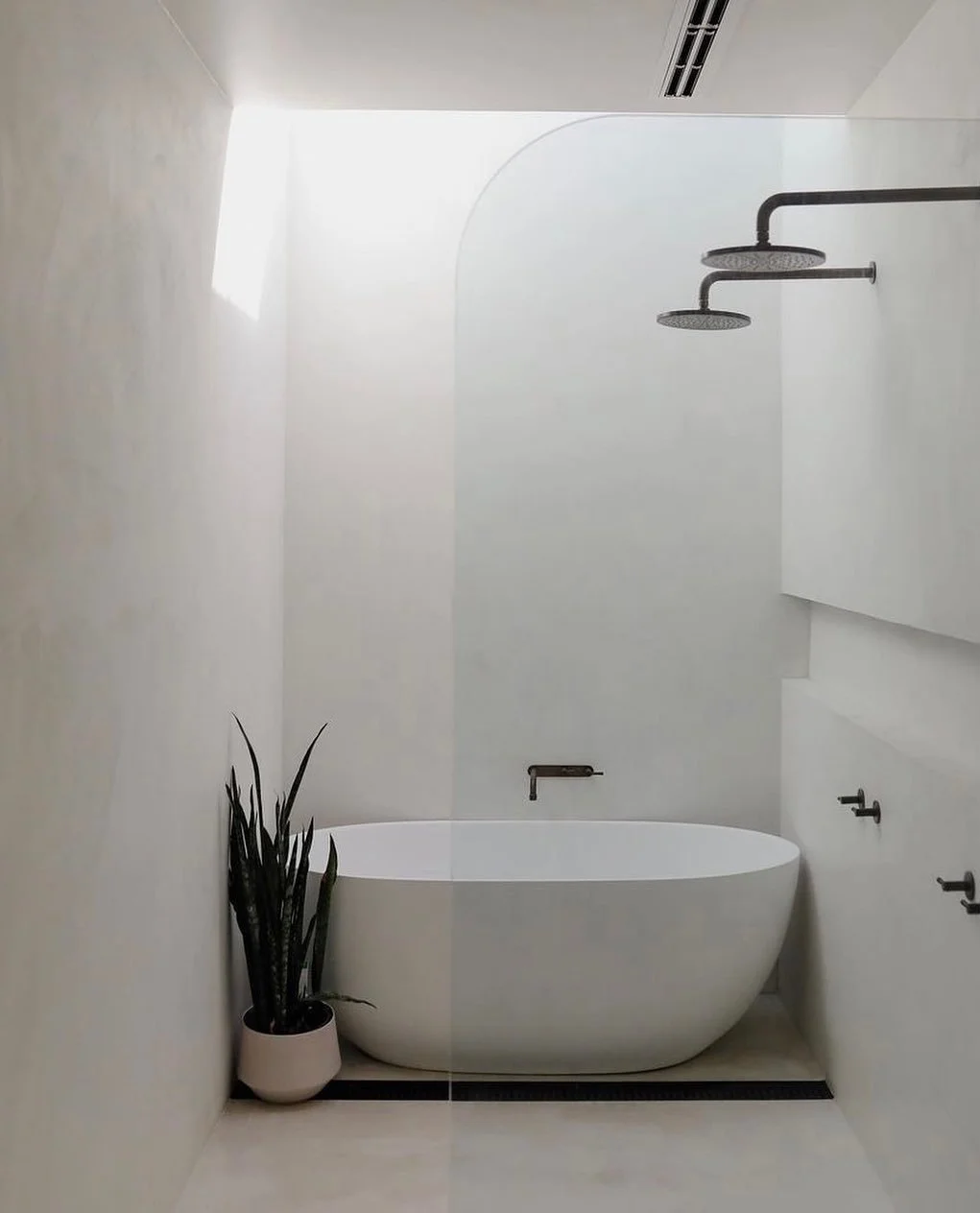
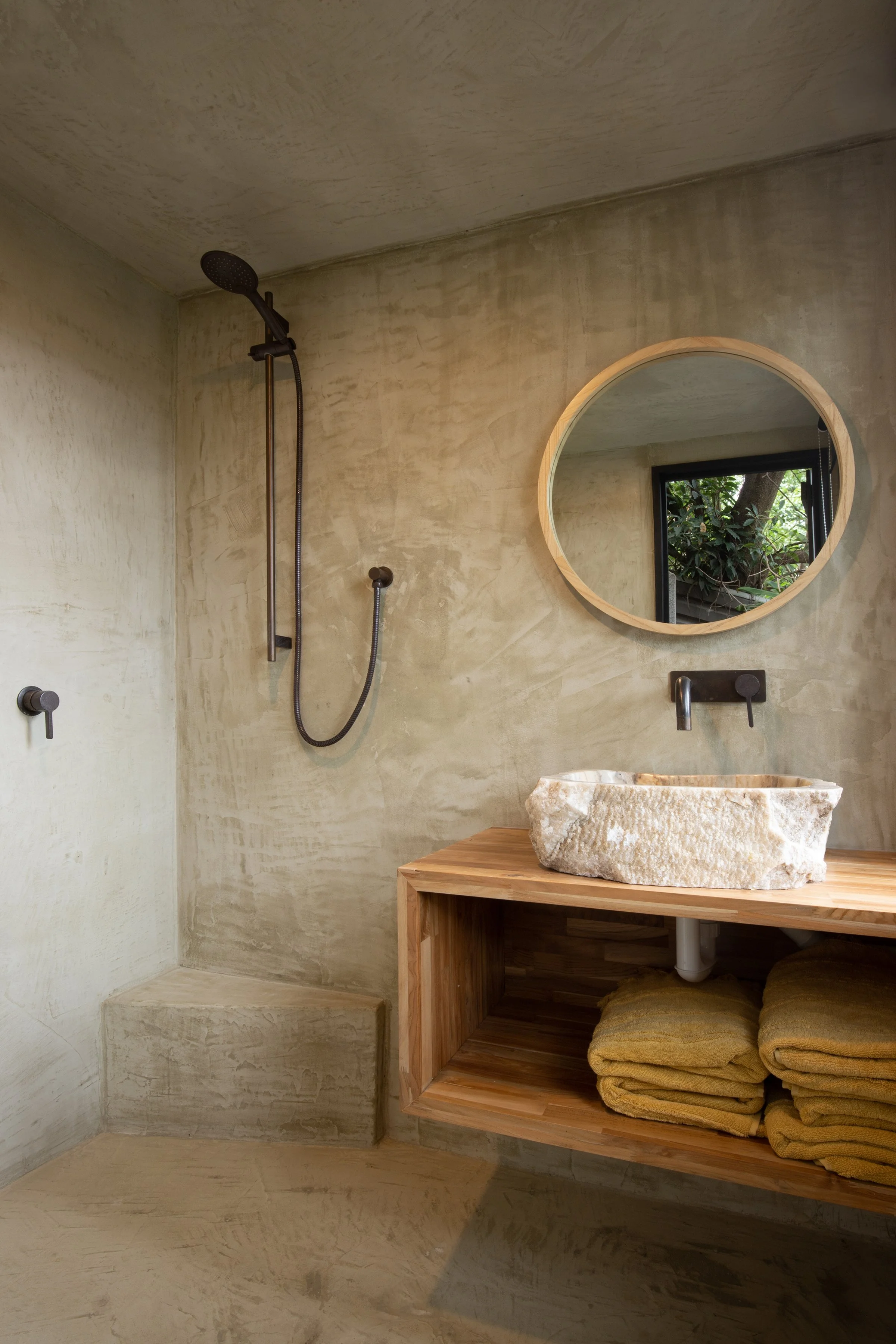
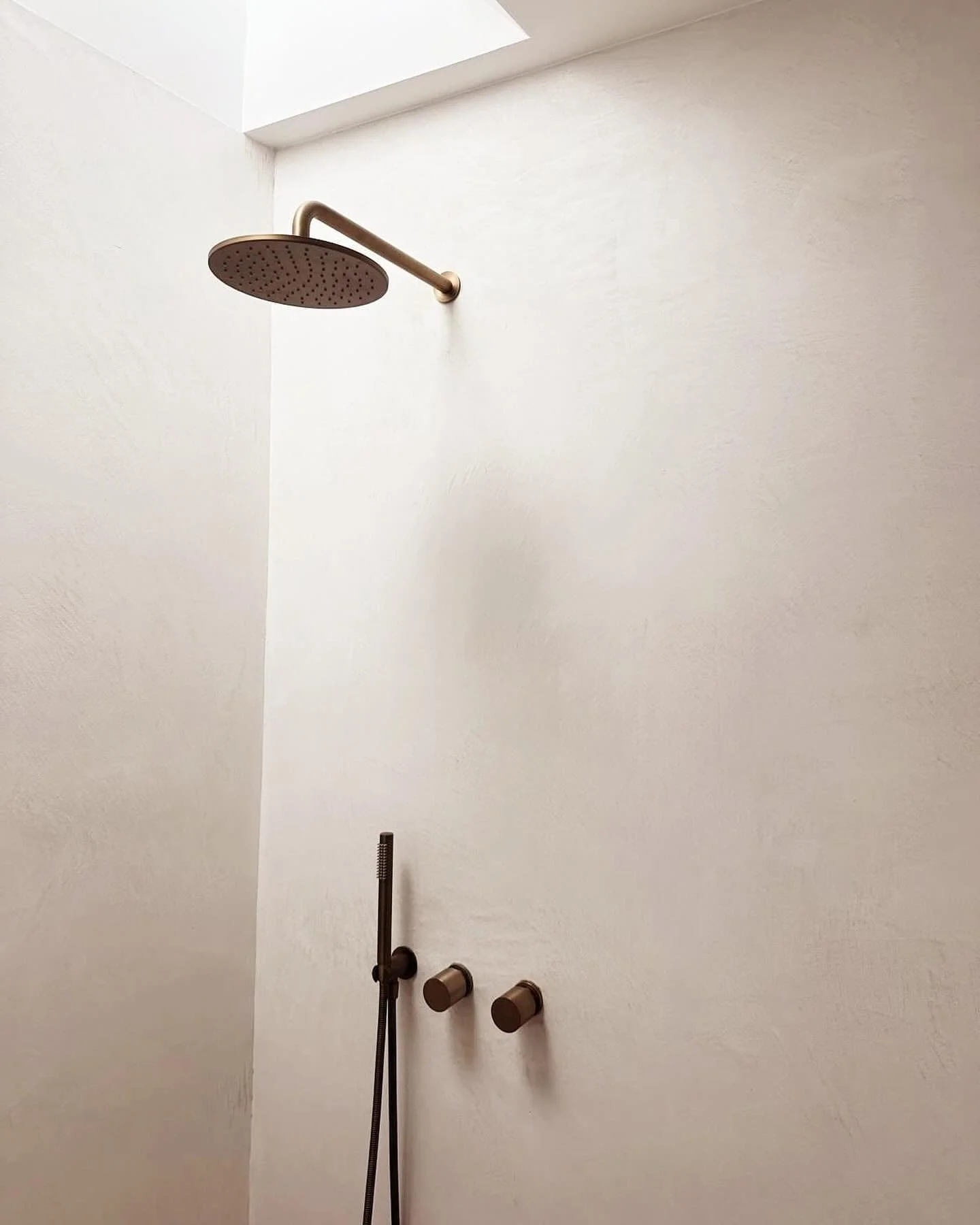
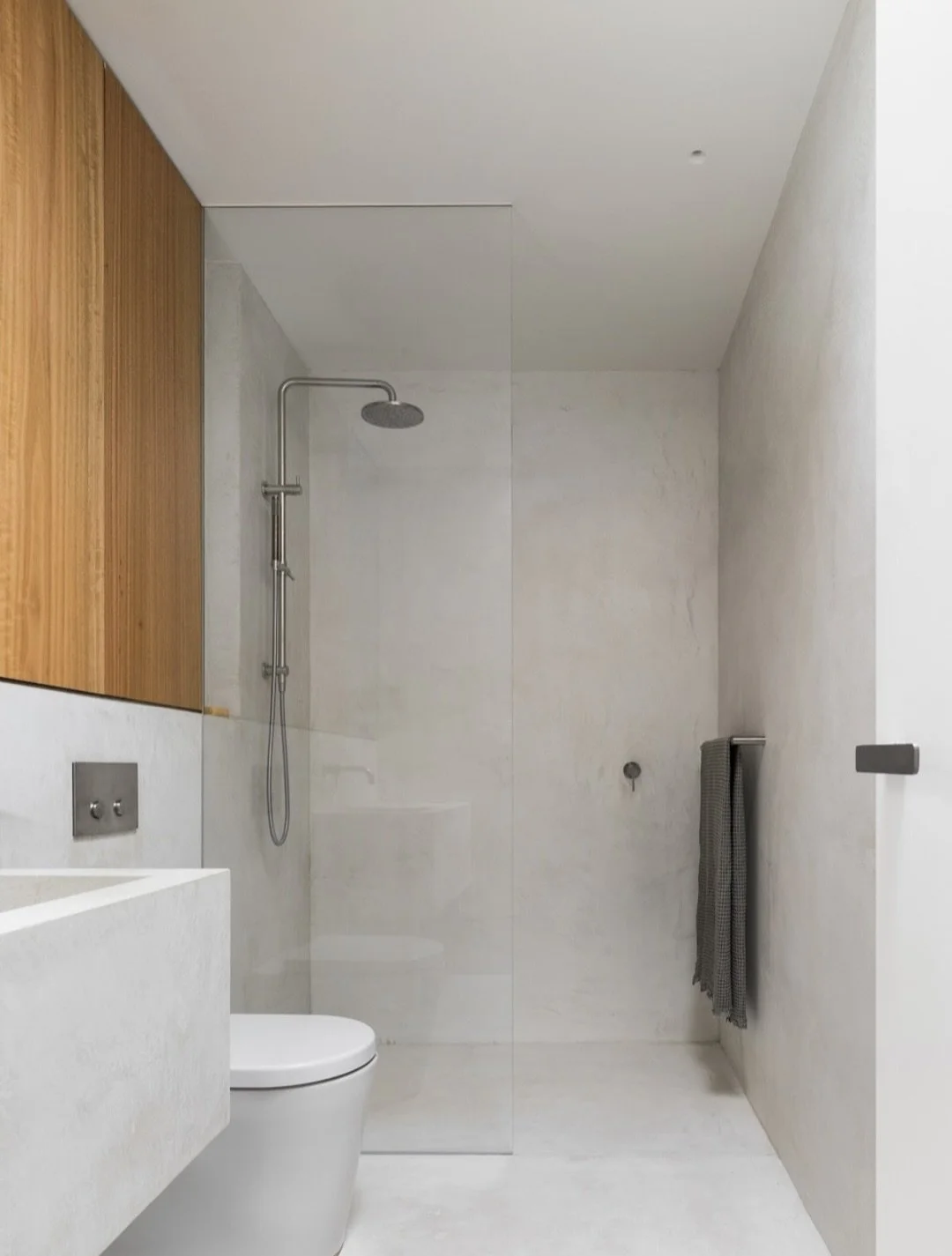
Benefits of a seamless microcement bathroom include:
No grout lines to clean
A continuous finish across multiple surfaces
Suitable for walls, floors, showers, vanities and more
A modern, architectural appearance
Easier day-to-day cleaning with fewer joints where soap residue can accumulate
Resurface old tiles without removal
Learn more about X-Bond Microcement for Bathrooms.
How Does Microcement Compare for Maintenance?
While no bathroom surface is completely maintenance-free, many homeowners appreciate the simplicity of caring for a microcement surface rather than maintaining hundreds of individual grout joints.
Day-to-day microcement cleaning typically involves wiping the surface with water, a cloth or squeegee, and an optional pH-neutral cleaner if you’ve been using harsher bathroom products like fake tanners or purple shampoo.
X-Bond Microcement is sealed as part of the installation process. As with natural stone or timber, avoiding harsh acidic or abrasive cleaners will help preserve the sealer and maintain the finish over time.
Read Next: How Our Finishes Are Redefining Bathroom Maintenance