
The End of Ugly Practicality? Redefining Low-Maintenance Bathrooms
Microcement Bathrooms: Where Function Meets Aesthetics
There’s a misconception that low-maintenance bathroom design has to come with an unspoken compromise: practicality over style.
But clients wanting easy-to-clean materials can still create architectural spaces that feel high-end. The pursuit of functionality — durability, waterproofing, cleaning simplicity — doesn’t have to mean sacrificing design intent.
Microcement bathrooms are proof of that. Increasingly specified by architects and interior designers, microcement is becoming one of the most sought-after bathroom materials for its seamless finish that balances architectural needs with a practical low-maintenance result.
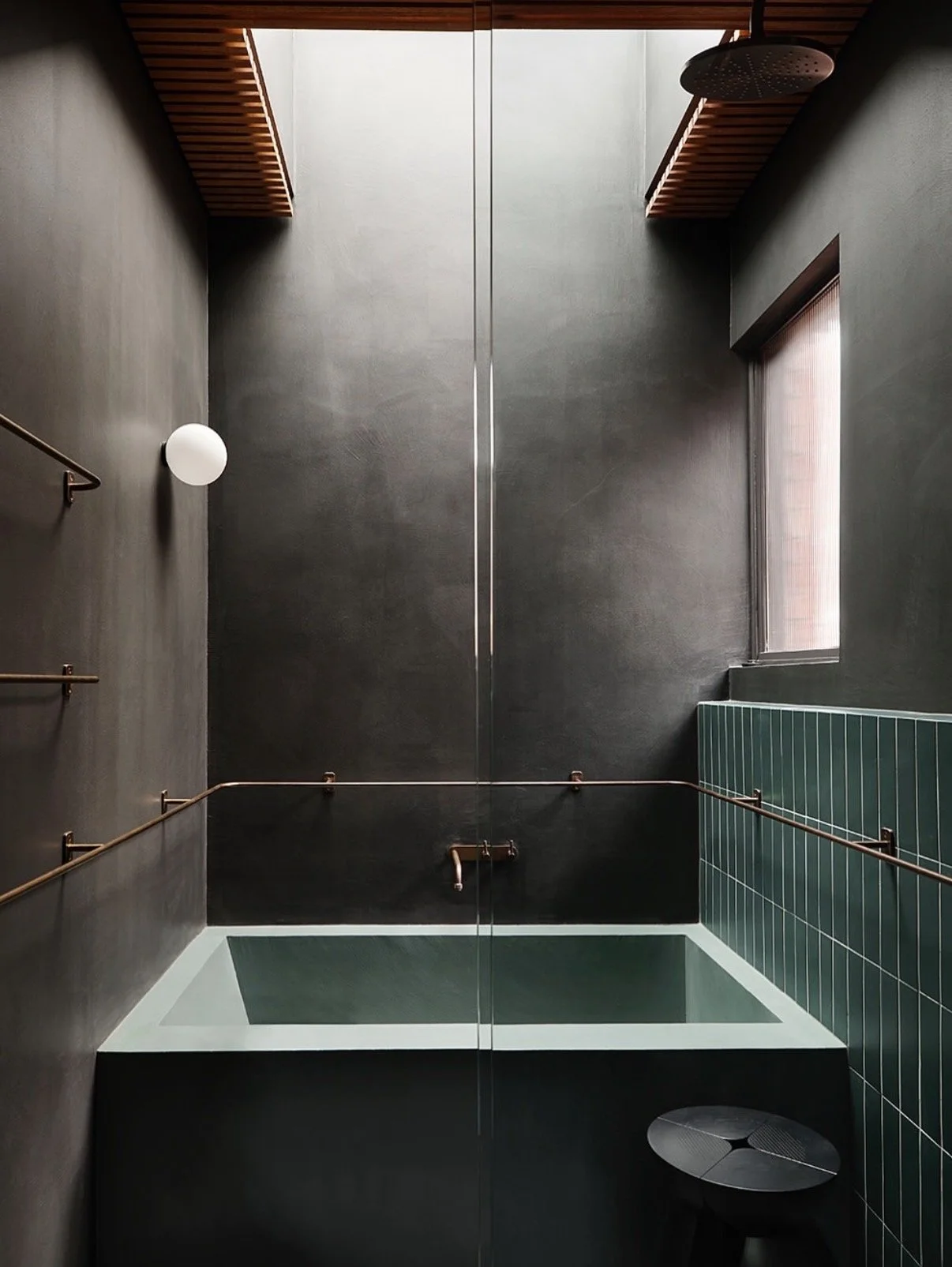
Why “Low Maintenance” Became Synonymous with “Generic”
There’s a reason so many modern bathrooms started to look the same. Homeowners wanted surfaces that were durable, waterproof and easy to clean, while designers and builders needed materials that could perform reliably in wet areas. The result was a wave of safe, functional finishes prioritising maintenance over atmosphere.
Glossy white subway tiles, oversized grey porcelain, and laminate vanities became the default formula for “practical” bathroom design. While effective from a maintenance perspective, many of these spaces began to feel sterile, plain and lacking in individuality — feeling ultimately low-end.
Now we’re beginning to question whether “easy to maintain” really needs to mean uninspired.
Strong Doesn’t Have to Feel Soulless
The misconception around durability is that it requires utilitarian design, resulting in predictable palettes and spaces stripped of personality.
Microcement challenges that entirely. It creates interest through textural and tonal variation, boasting an entirely unique finish in every project due to hand-trowelled application. Our product X-Bond has a range of colour and texture options to open up your design freedom. In many ways, this represents a broader shift happening across interiors: people want homes that are obviously functional, but still feel deeply considered.
Unlike some traditional bathroom materials, microcement can be applied across any area of the bathroom — walls, floors, ceilings, vanities, sinks, showers. Beyond the aesthetic benefit of creating a cohesive environment with seamless surfaces, this versatility also means the same durable, low-maintenance finish can be carried consistently throughout the entire bathroom.
Read Next: The Pro’s and Cons of Microcement Bathrooms
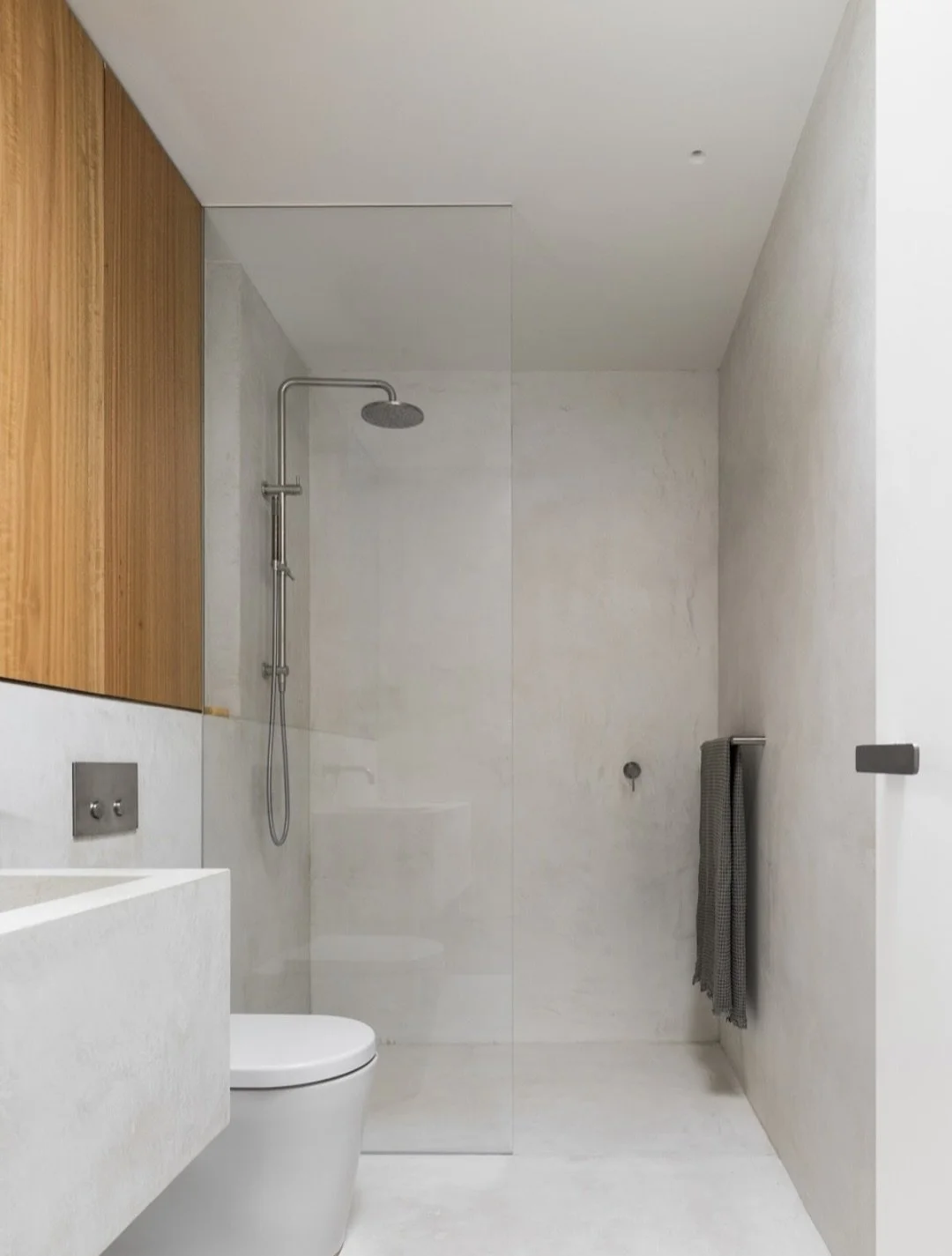
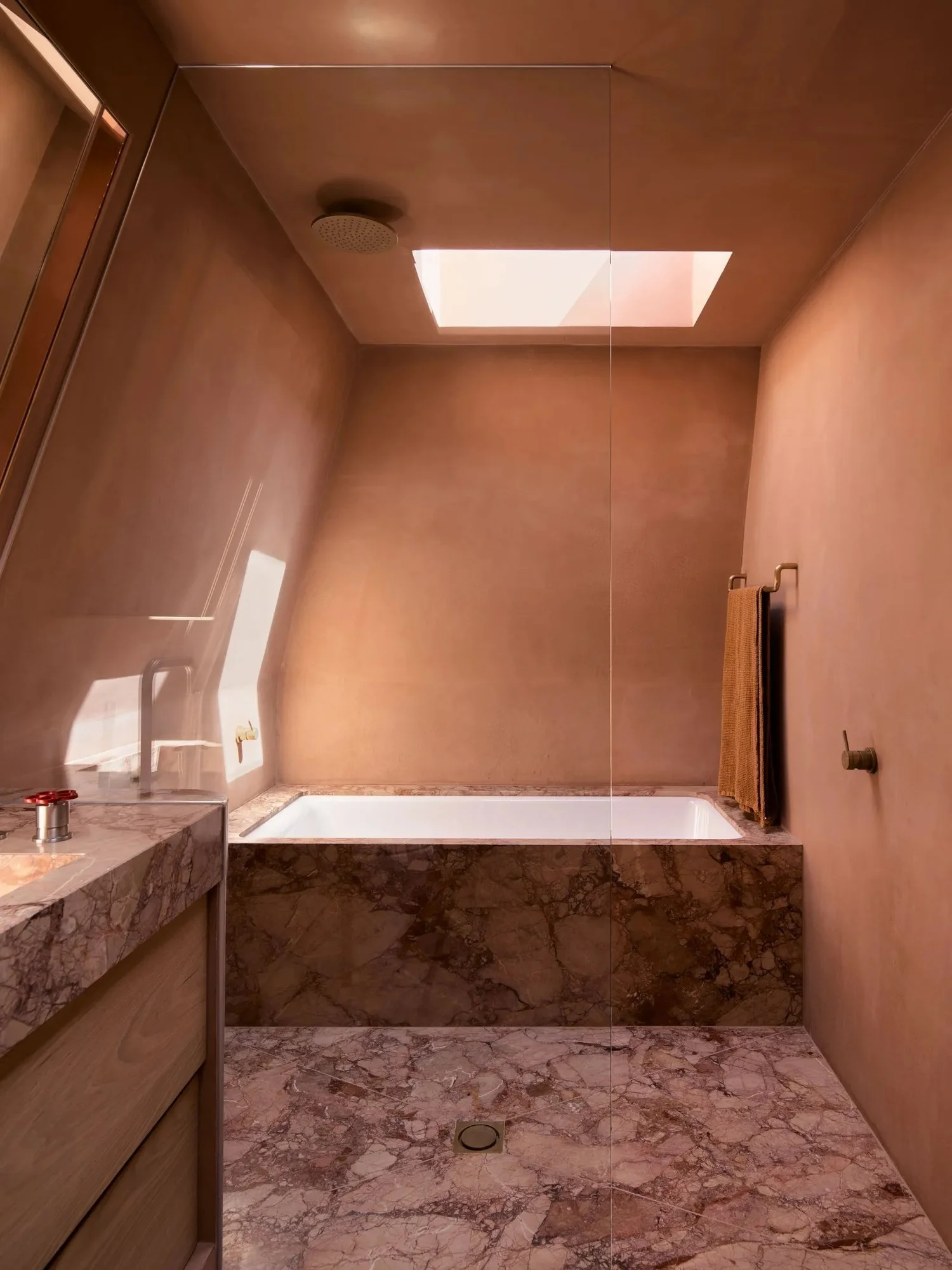
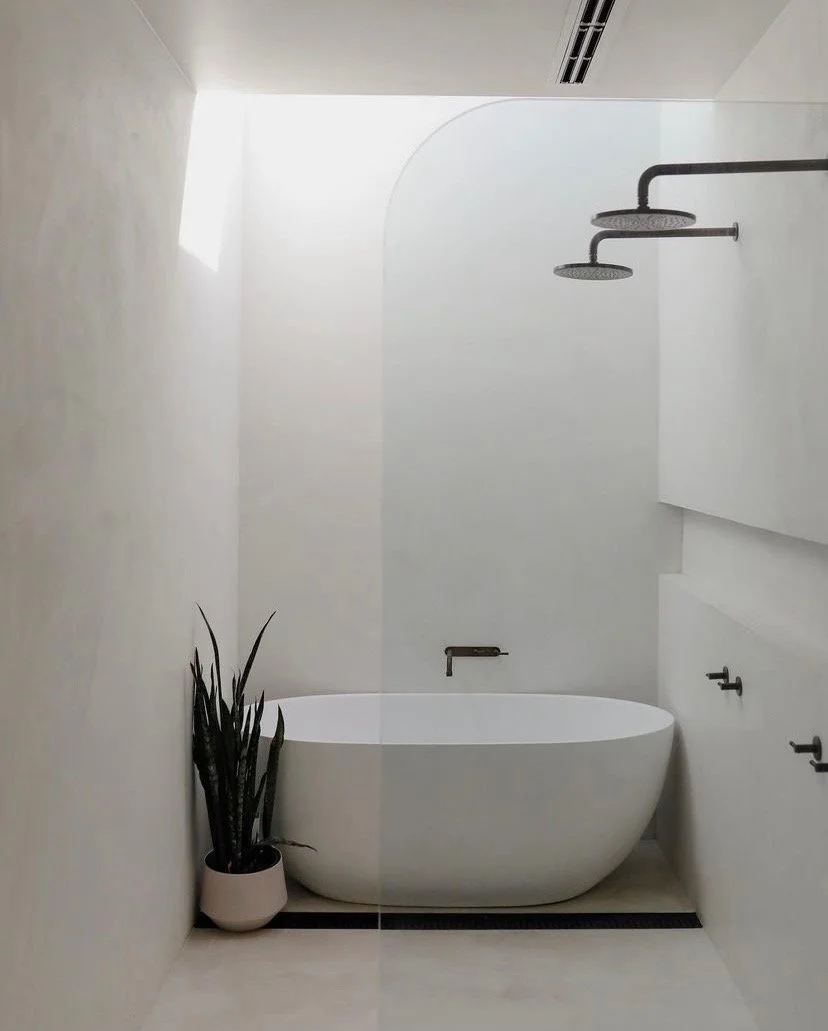
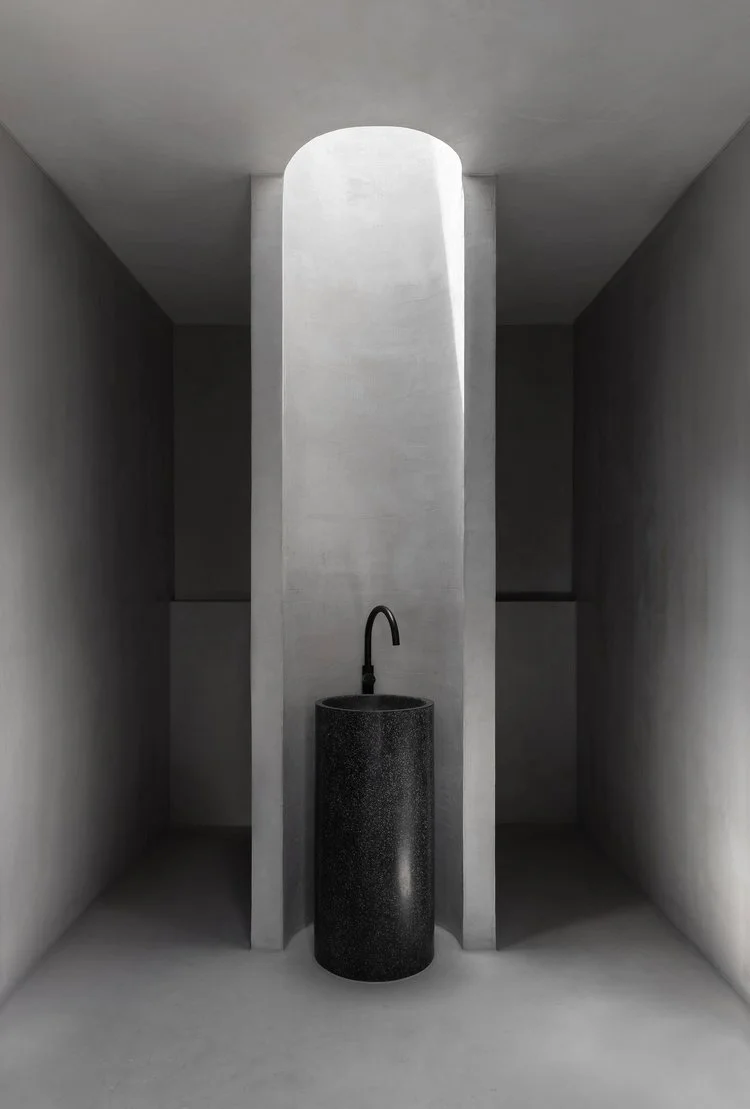
Microcement Bathrooms — Easier to Maintain Than Tiles
Microcement bathrooms are incredibly easy to maintain (view our maintenance guide here).
Unlike tiles, which feature grout lines that can trap dirt, mould and moisture over time, microcement is applied as a continuous surface with minimal joins. This creates a more hygienic, easy-to-clean finish while also delivering a cleaner visual aesthetic.
Bathrooms demand more from materials than almost any other space in the home. Surfaces need to withstand water exposure, temperature changes, daily use and constant cleaning all while still looking good.
Microcement offers a rare balance between performance and aesthetics. Its sealed finish is highly durable and stain-resistant reducing ongoing maintenance. Most microcement systems are also compatible with waterproofing membranes to create a suitable finish for showers, sinks and splash zones.
Our product, X-Bond, has been specifically engineered for wet areas. When used alongside our specialised liquid waterproofing membrane it achieves CodeMark Certification in wet areas, meaning automatic compliance with waterproofing requirements. You can be confident in its durability, water resistance and easy maintenance for decades.
Learn More: The Durability of Microcement
Can Microcement Be Applied Over Existing Tiles?
Maintenance is just one of the reasons why microcement bathrooms are trending, but there’s often one more practical benefit that makes a huge difference during bathroom renovations: the ability to apply microcement straight over old tiles without demolition.
Rather than removing old tiling entirely, microcement systems are applied in layers over the existing substrate (provided it’s stable and properly prepared). Tile resurfacing is an increasingly popular and convenient option for homeowners wanting to modernise bathrooms without undertaking a full structural renovation involving tile removal.
For homeowners sick of cleaning their old tiles and exploring alternatives to full bathroom demolition, microcement resurfacing is the perfect solution — not to mention a way to reduce renovation timelines and minimise disruption within the home.
Read Next: What Homeowners Should Know Before a Microcement Bathroom Renovation
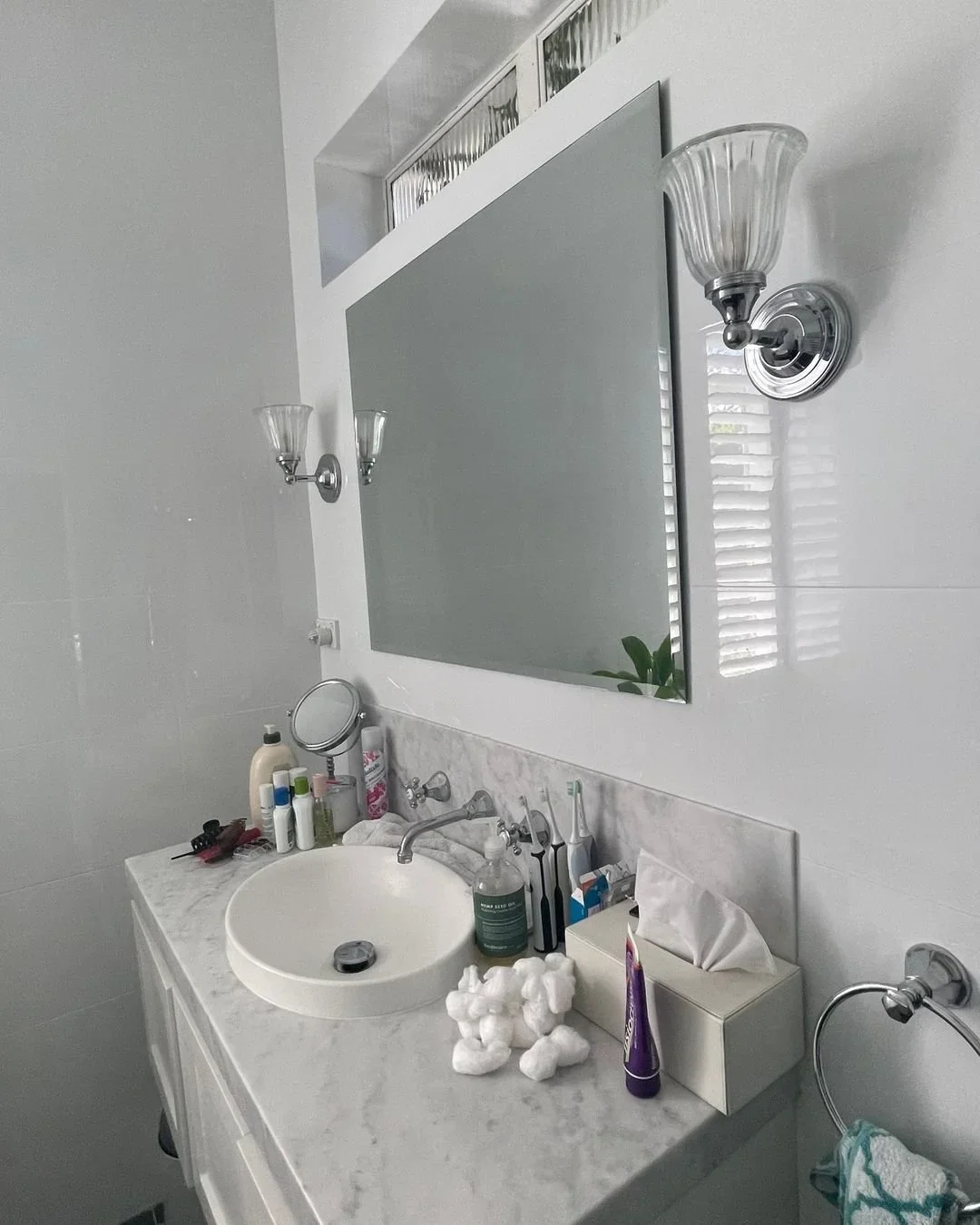
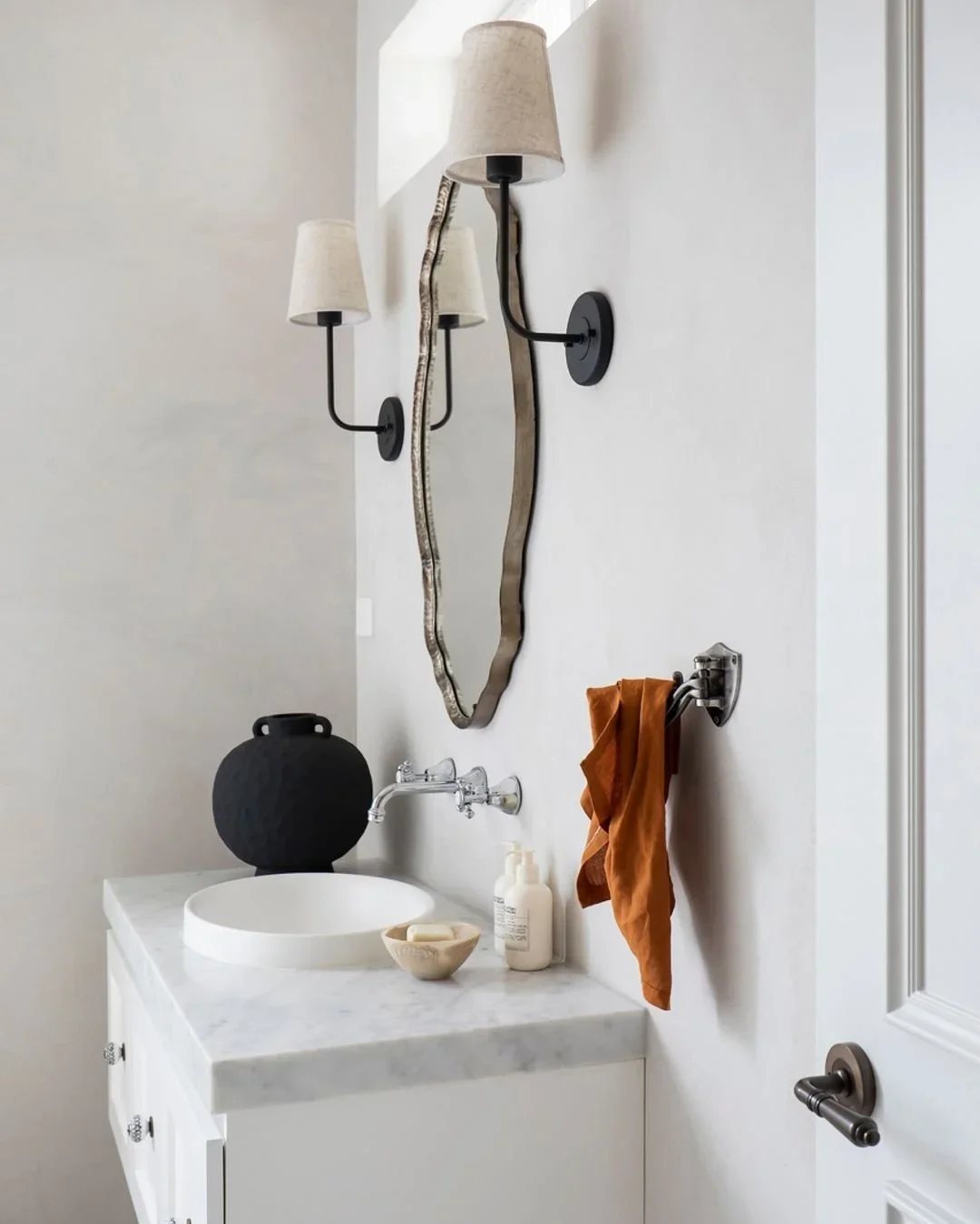
The Future of Bathroom Design Is Simpler, But Better
As lifestyles become busier and homeowners grow increasingly conscious of longevity, low-maintenance living will continue shaping bathroom design. But practicality is no longer the only priority.
People are looking for spaces that feel elevated without being high-maintenance. Bathrooms that are functional, but still architectural. Easy to clean, but still expressive.
Microcement sits perfectly within that evolution by offering a finish that is durable, seamless and easy to live with, while still delivering the quiet luxury and architectural softness modern interiors are moving toward.
Are Microcement Bathrooms Worth It?
If you want a bathroom that balances aesthetics with practicality, microcement is absolutely worth it. You’re not just paying for a beautiful finish, but investing in the long-term peace of mind that comes with durability, low maintenance and ease of everyday living.
It delivers the seamless, architectural look many contemporary bathrooms aim for, while also reducing the maintenance issues commonly associated with tiled surfaces. Fewer grout lines, durable sealed finishes and timeless texture make it a strong long-term option for both renovations and new builds.
Most importantly, it proves that low-maintenance bathroom design no longer needs to feel generic. The era of ugly practicality is ending — and microcement bathrooms are leading the shift.