
Microcement Flooring in Australia: The Modern Alternative to Tiles, Concrete & More
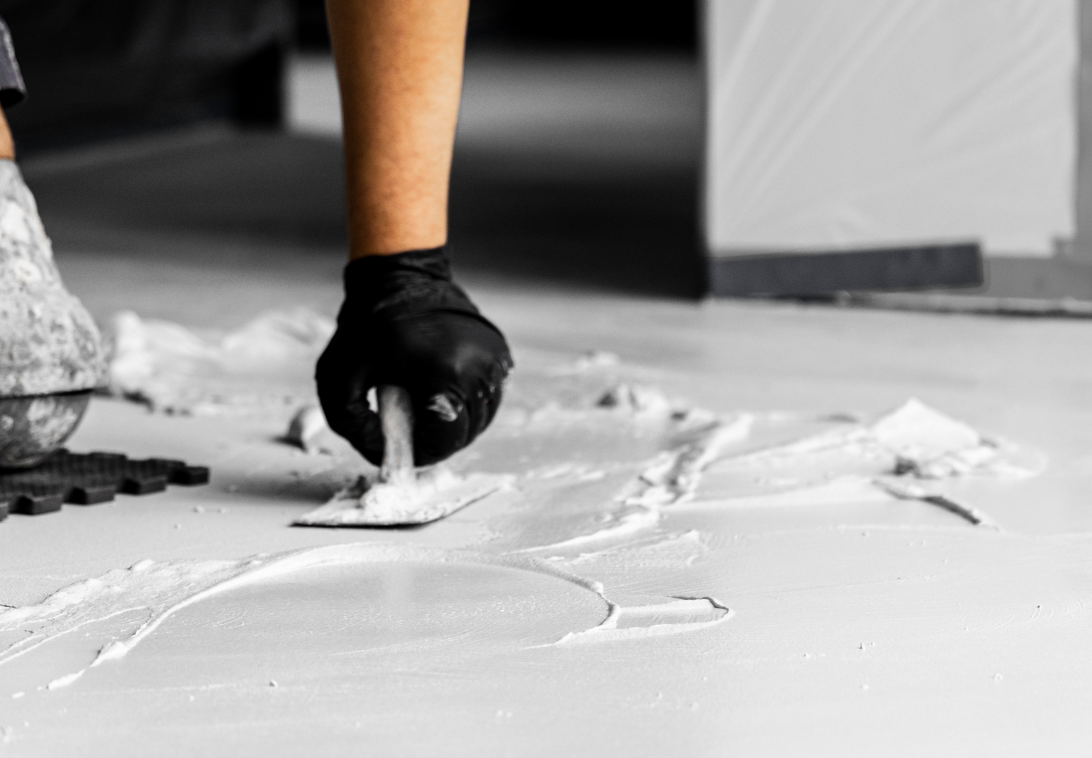
Renovation trends in Australia are shifting toward seamless, textured surfaces that are durable, architectural, and low maintenance — so it’s no surprise microcement flooring is as popular as ever. Our applicators have installed X-Bond surfaces in hundreds of Australias homes, cafes, and commercial spaces in 2025 alone.
Whether you’re renovating an existing space or building something new, a microcement floor offers a contemporary alternative to tiles, polished concrete, and other conventional flooring materials.
What Is Microcement
Microcement is a thin decorative cement-based coating that can be applied over existing floor surfaces such as tiles, concrete, and screed. It creates a seamless, durable finish without the need for demolition first.
A typical X-Bond Microcement floor is only 2–3mm thick, but it forms a highly resistant surface once sealed.
Key characteristics of Seamless Overlays X-Bond microcement flooring include:
Seamless surface with no grout lines
Highly durable and resistant when properly sealed
Can be applied over existing tiles or concrete
Suitable for floors, walls, joinery and ceilings
Resilient in high-traffic spaces
Compatible with waterproofing and underfloor heating
Available in a range of colours and textures
Because it can be installed directly over existing surfaces, microcement flooring is often chosen for renovations where homeowners want a modern look without the cost and disruption of removing old flooring.

Why Microcement Is Growing in Popularity Across Australia
In recent years, we’ve seen a significant rise in demand for microcement in Australia. Architects, builders, and homeowners are increasingly specifying X-Bond for its combination of aesthetics and practicality. Several factors are driving the growth of microcement in Australia:
Modern Architectural Style
Australian interiors are trending toward minimalist and contemporary designs. Microcement fits perfectly with these styles thanks to its smooth, continuous finish. Read our top picks of trending microcement design ideas.
Renovation-Friendly Installation
Because microcement can be applied over existing tiles or concrete, floor remodelling is faster and produces less waste.
Durability
When installed correctly, microcement is resistant to wear, water, and stains, making it ideal for high-traffic residential and commercial spaces. Discover how durable microcement really is.
Versatility
Microcement can be used across multiple surfaces, not just floors, including:
Walls
Ceilings
Joinery and furniture e.g. benchtops
Bathrooms including showers
Kitchen splashbacks
Fireplace surrounds
Rangehoods
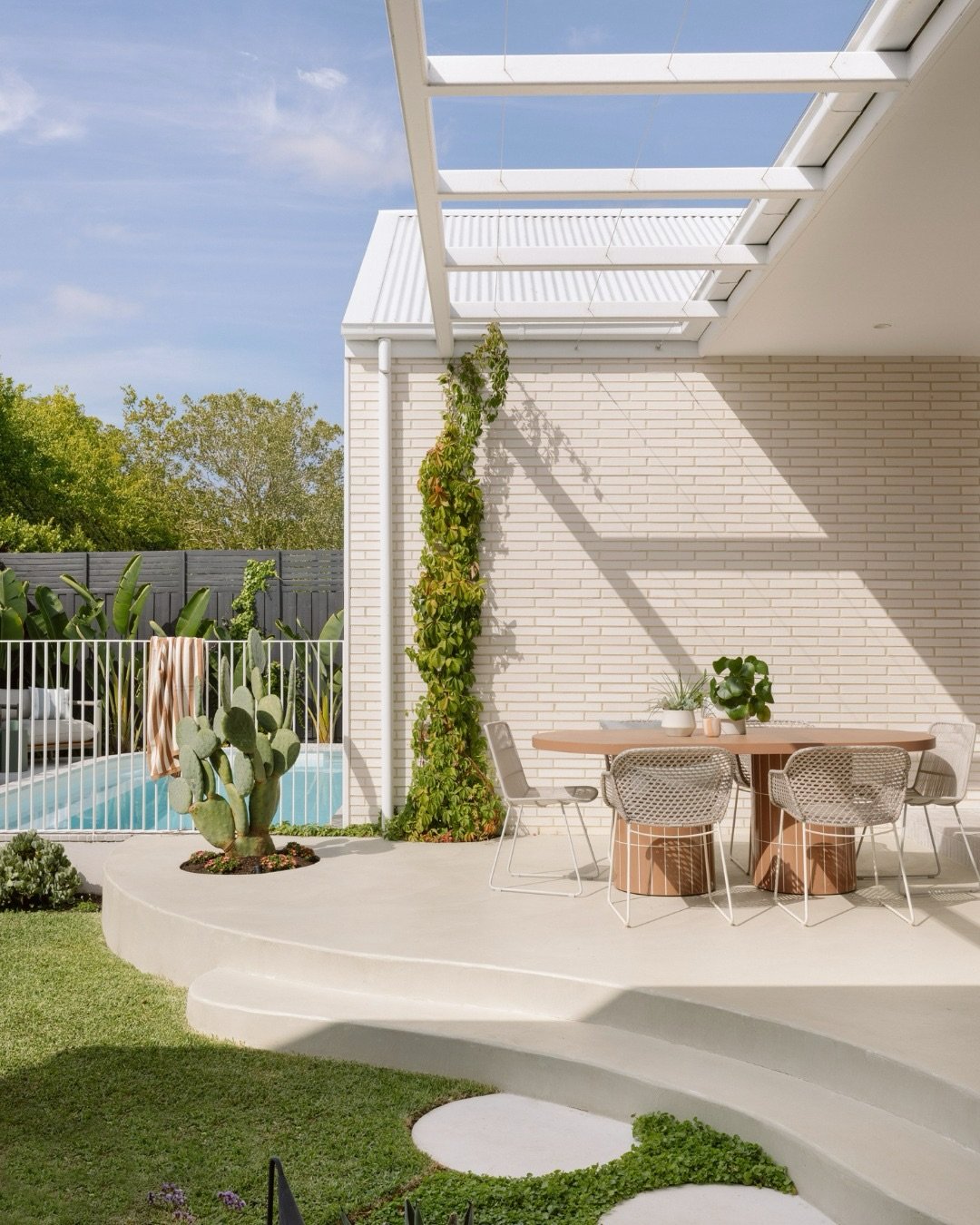
Exterior areas e.g. pool surrounds, flat rooftops and facades
Microcement vs Tile Resurfacing: Which Is Better?
Many homeowners exploring renovation options consider tile resurfacing as a quick way to update floors or walls without removing any of the existing tiles.
Tile resurfacing involves applying a new finish over old tiles. Advantages at a glance:
Lower upfront cost
Faster installation
Works well for small bathroom updates
But why is microcement flooring a good choice? Aside from achieving a completely seamless and level new surface without grout lines, it offers:
A smooth, modern aesthetic
High durability
Versatility across floors, walls and joinery
A wide range of design flexibility
When it comes to tile resurfacing, homeowners looking for a premium architectural finish often choose microcement.
Where Microcement Works Best in Australian Homes
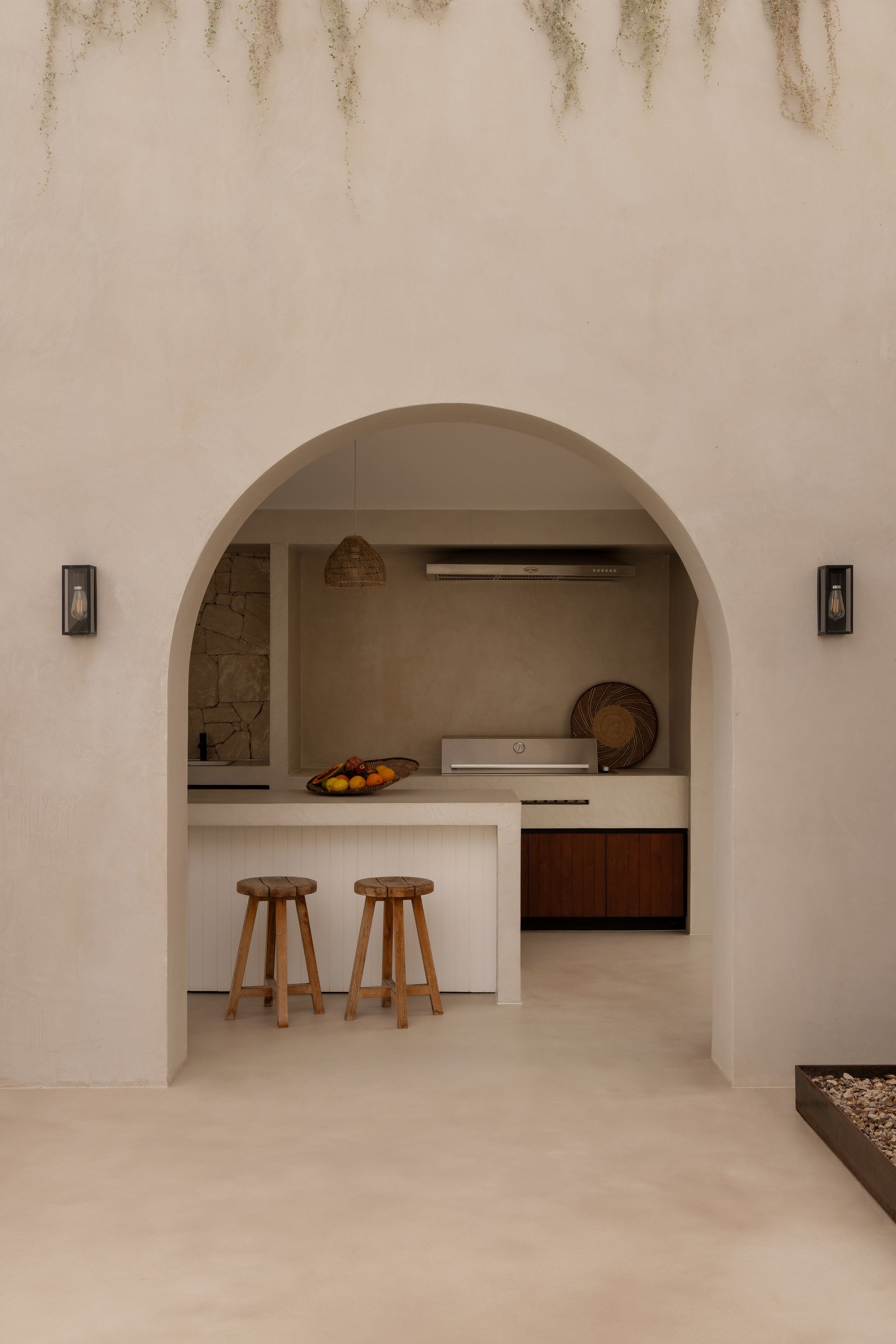
Microcement installations are becoming increasingly popular in high-end residential projects, commonly specified in:
Living Areas
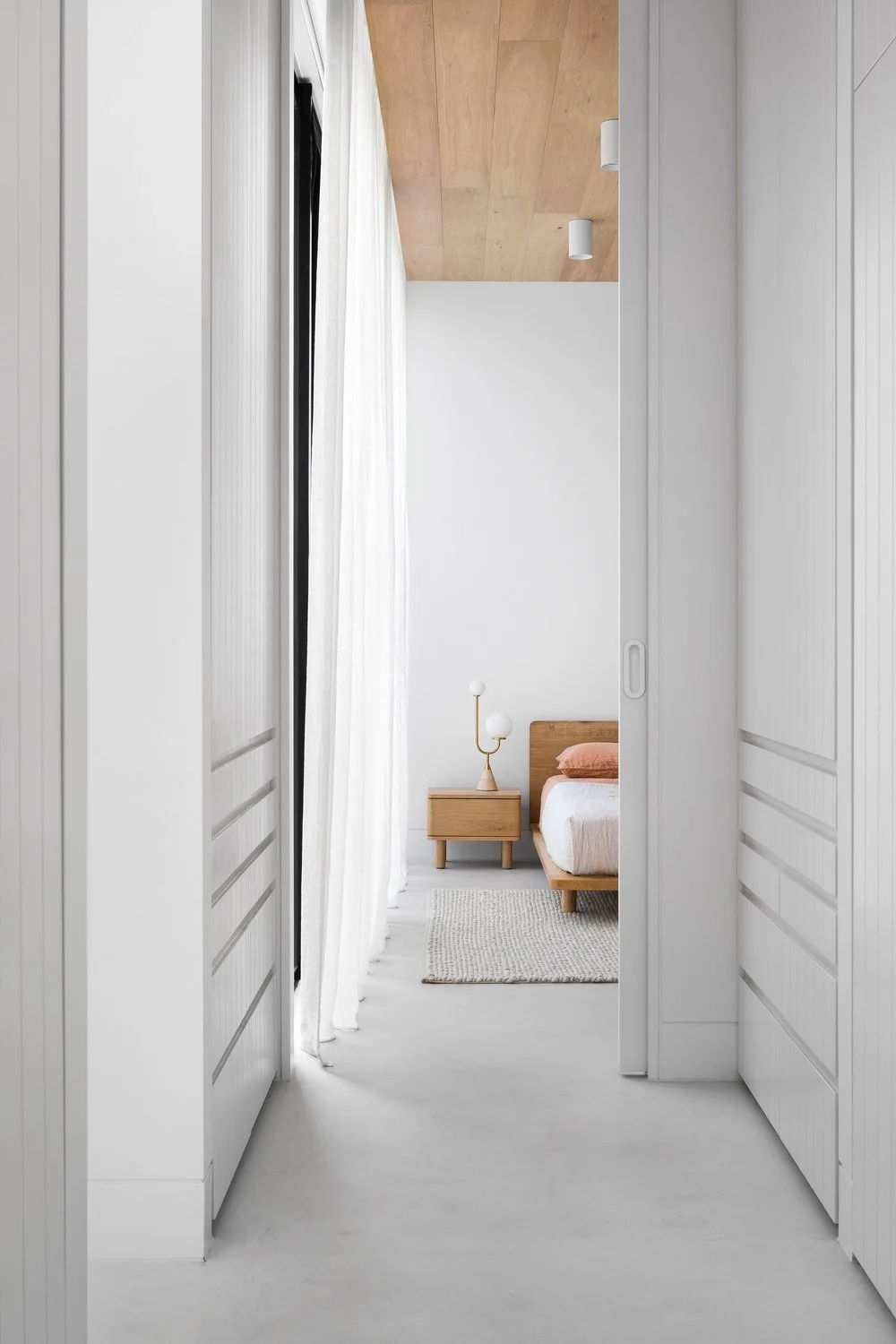
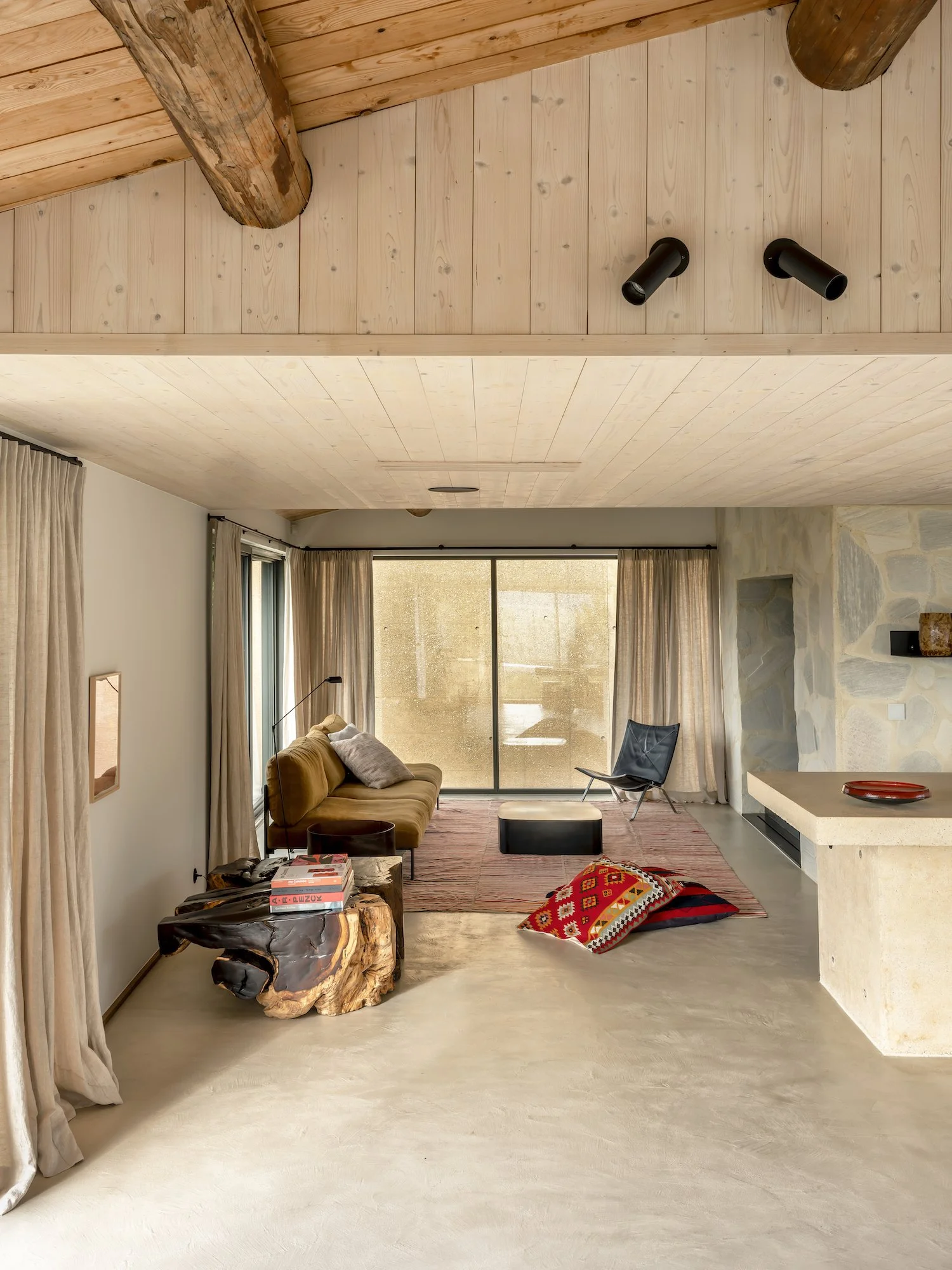
A microcement floor provides a seamless surface that works beautifully in open-plan living spaces, especially if flowing from indoor to outdoor living.
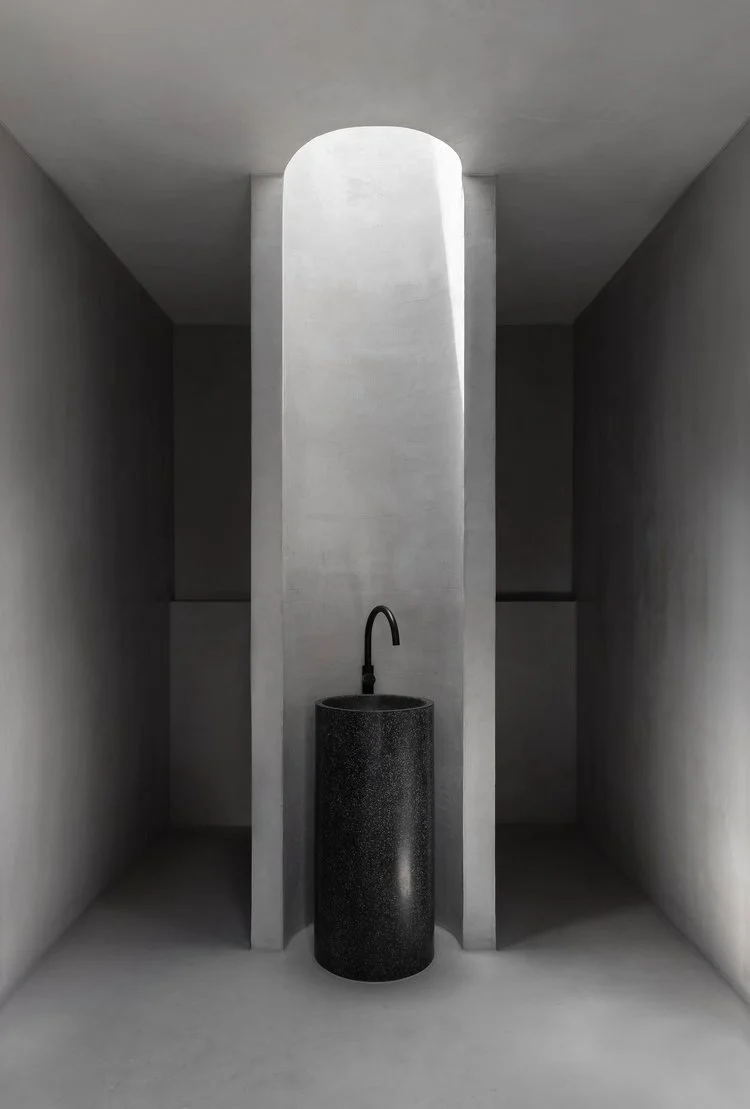
Bathrooms
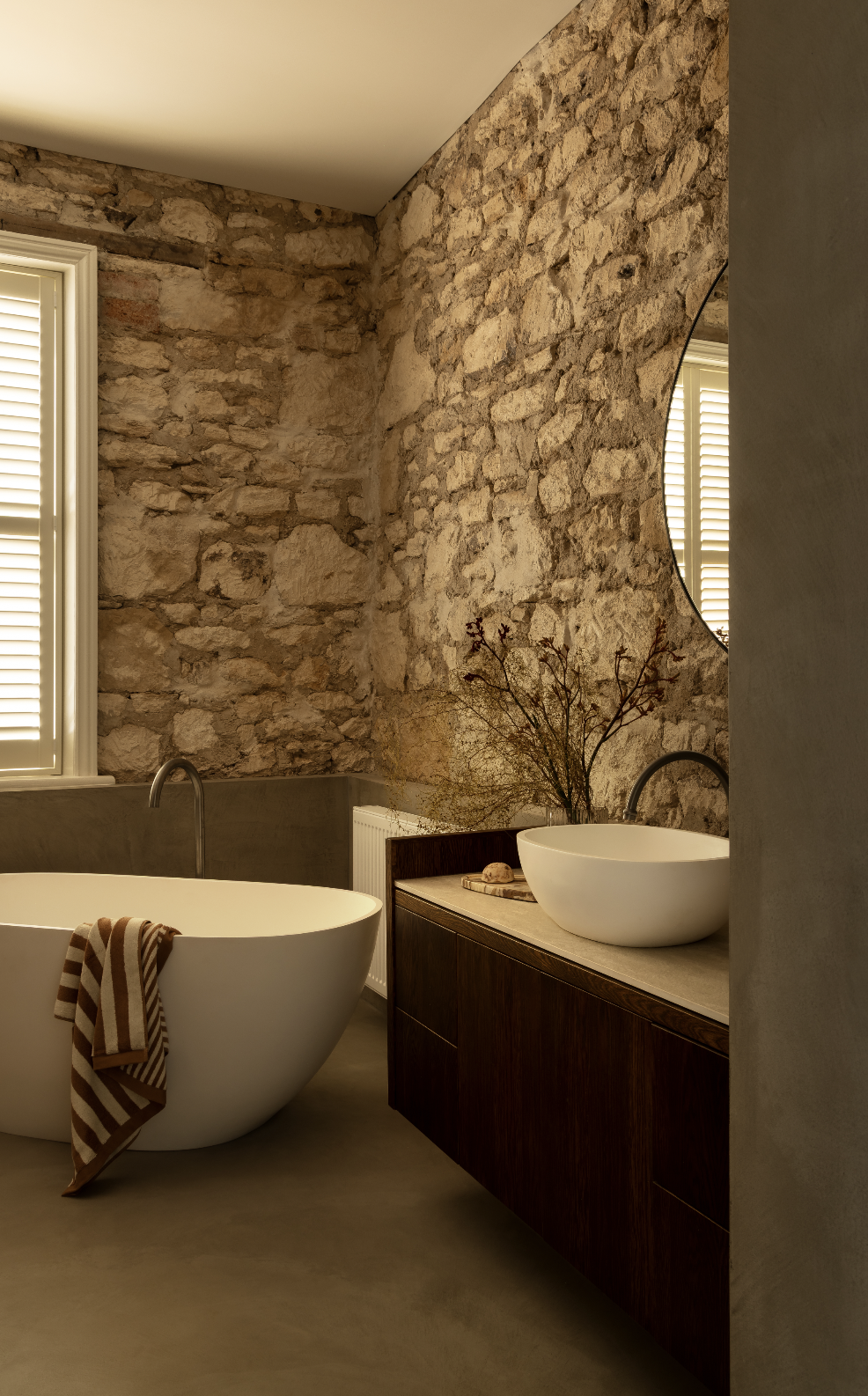
The X-Bond system ensures a waterproof finish for bathroom flooring, including shower bases. With non-slip protection, compatibility with underfloor heating, and durability, it’s the perfect choice for a seamless bathroom floor.
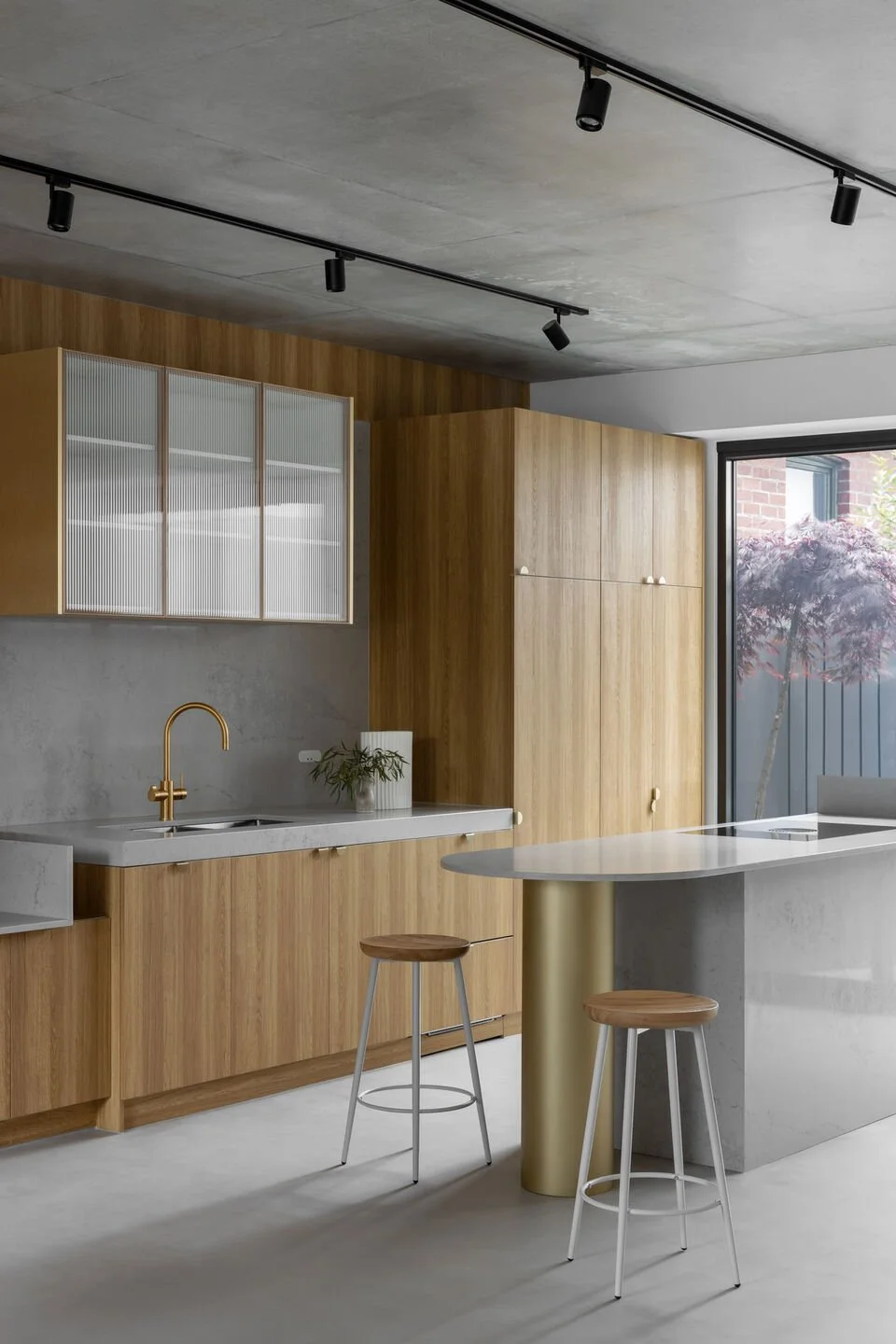
Kitchens
Microcement works well in kitchens due to its durability and ease of cleaning. Due to the versatility of hand application, it can also be used on custom joinery, splashbacks, and even rangehoods!
Staircases
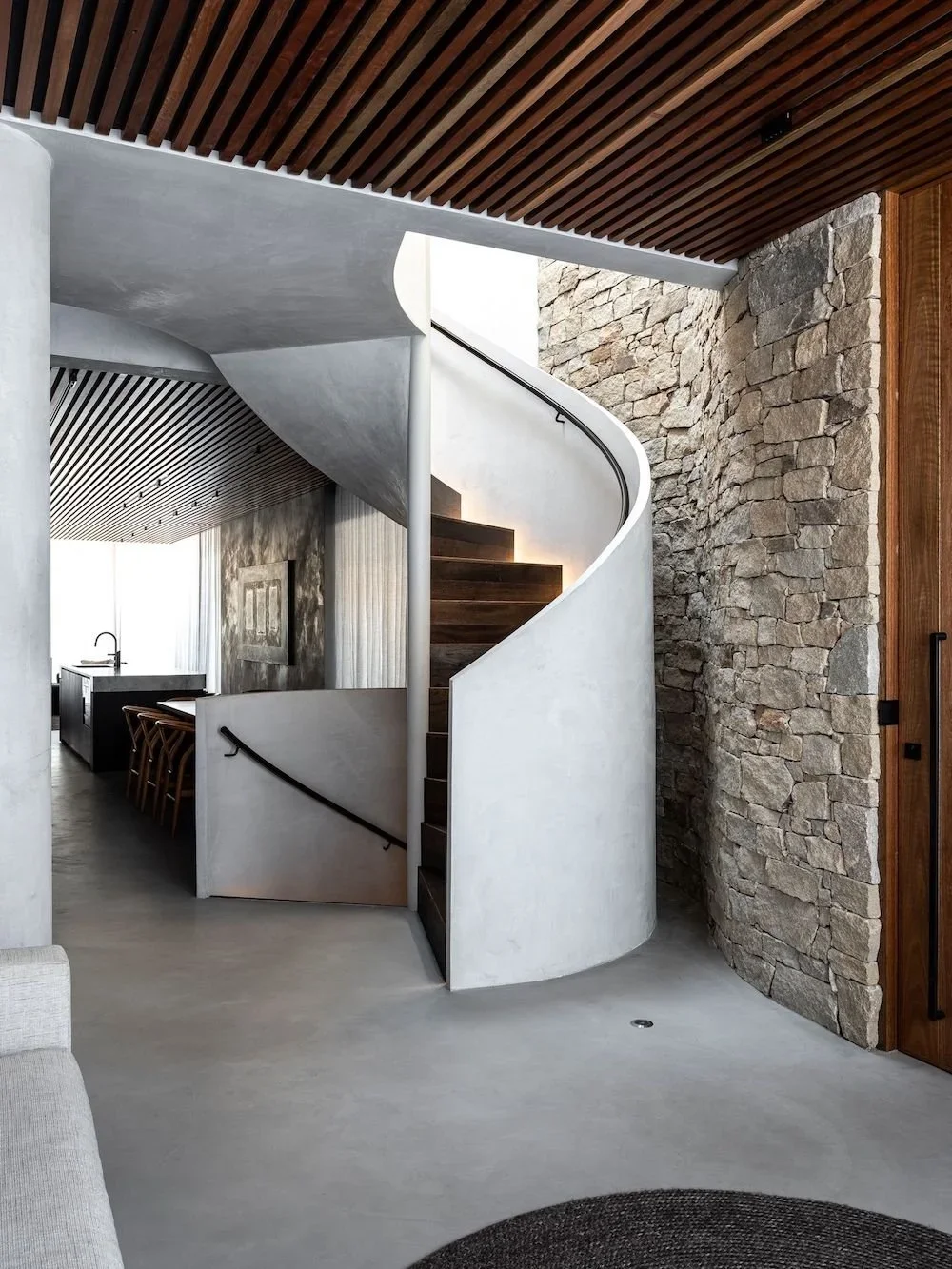
Architects often use microcement to create statement staircases, as well as render the steps themselves due to its ability to handle foot traffic without getting damaged or slippery.
Outdoor Areas
Certain microcement systems can be used for outdoor flooring — our product X-Bond is often used in exterior spaces.
Where Microcement Works Best in Commercial Spaces
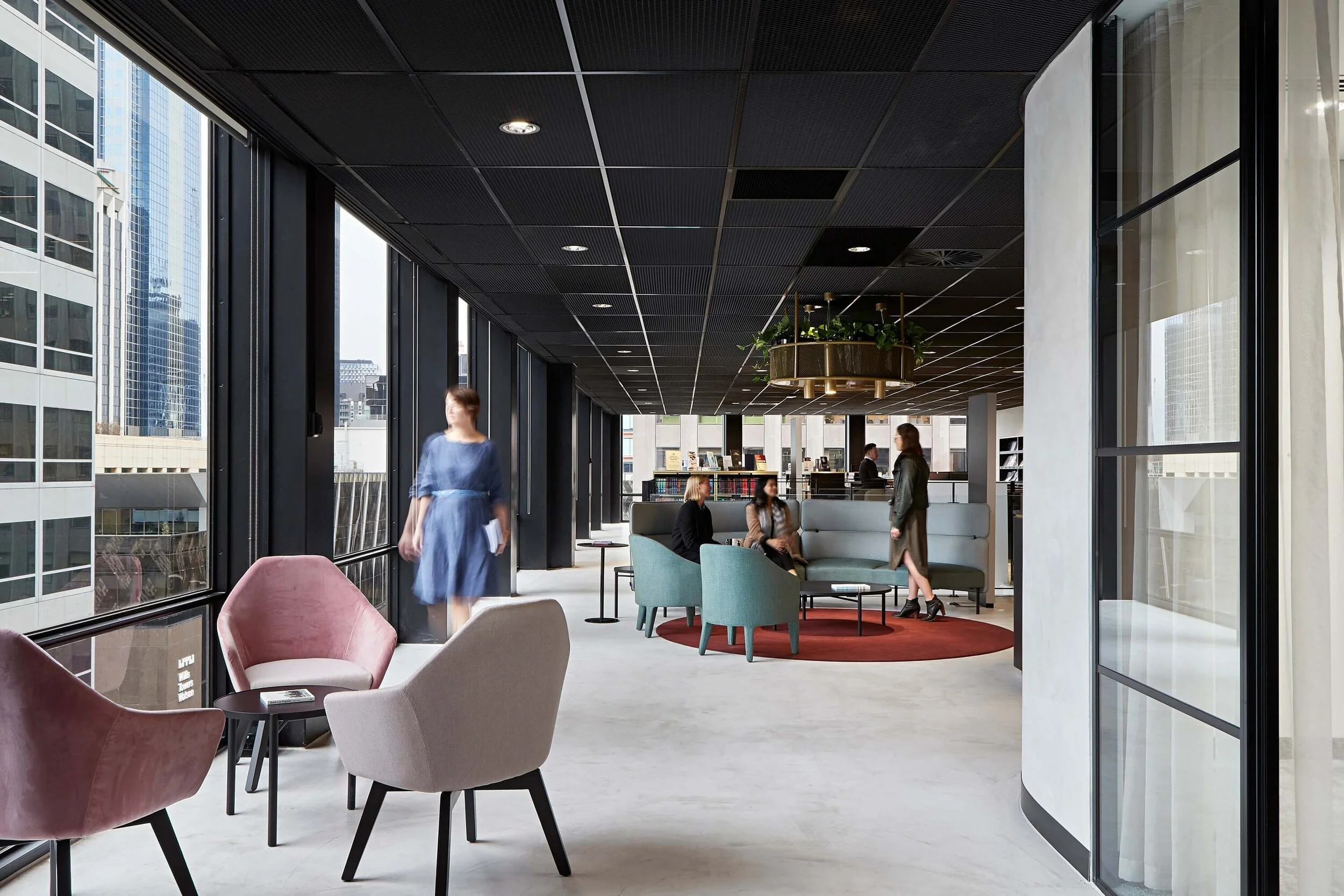
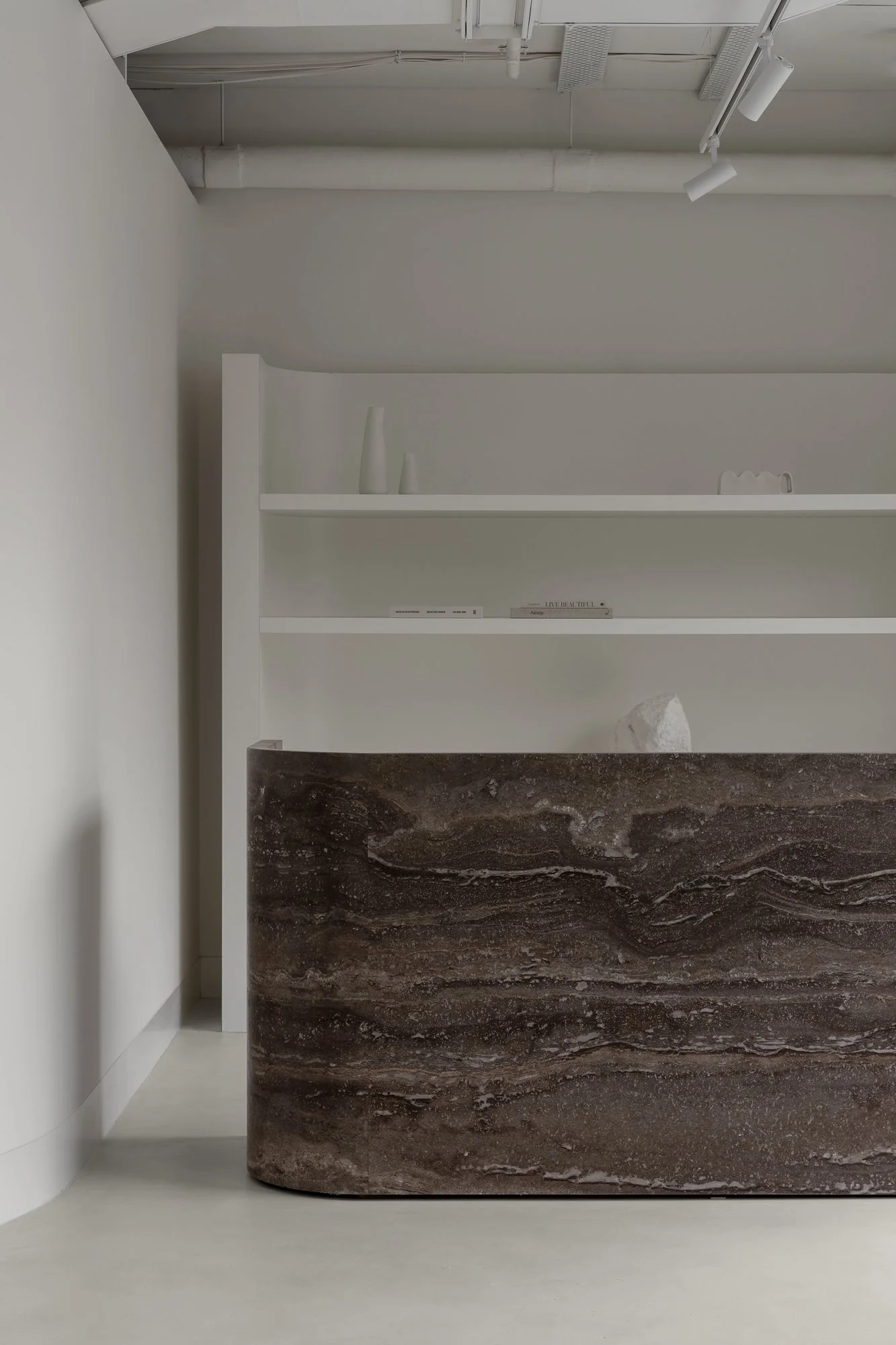
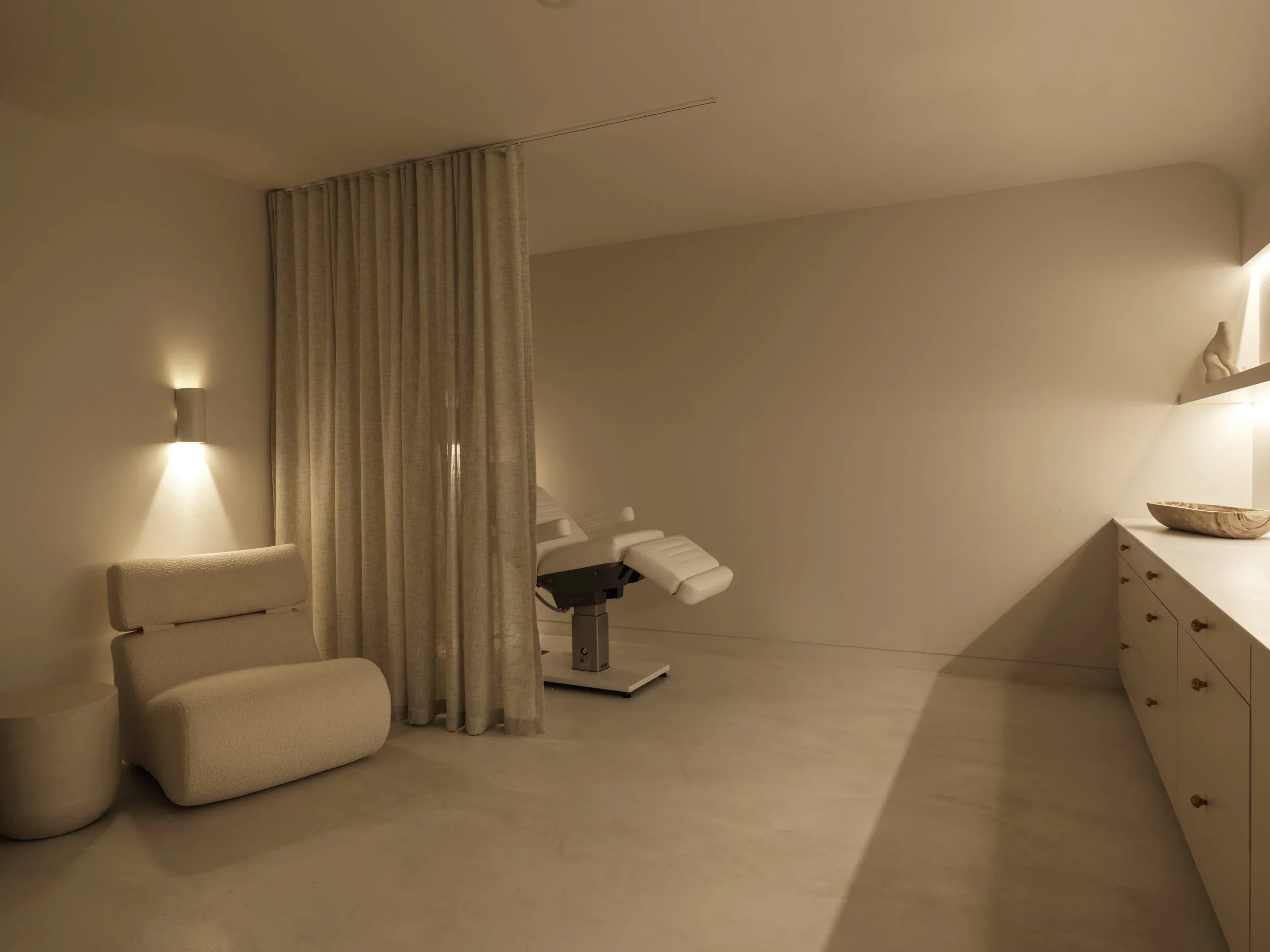
Beyond residential projects, microcement is increasingly being specified in commercial interiors across Australia, especially in high-traffic environments where both performance and aesthetics matter. From hospitality venues to offices and health clinics, microcement creates modern spaces that are practical and easy to maintain while delivering architectural visuals.
Offices
Microcement floors provide a seamless surface that works perfectly in offices, boardrooms, breakout spaces and reception areas because of its outstanding durability — making life easy for commercial maintenance teams.
Hospitality Venues
Restaurants, cafés, and bars frequently choose microcement for its industrial yet refined aesthetic, and the hygiene benefits of a seamless finish that reduces dirt buildup. It works beautifully across dining areas, bars, bathrooms, and feature walls.
Retail Stores
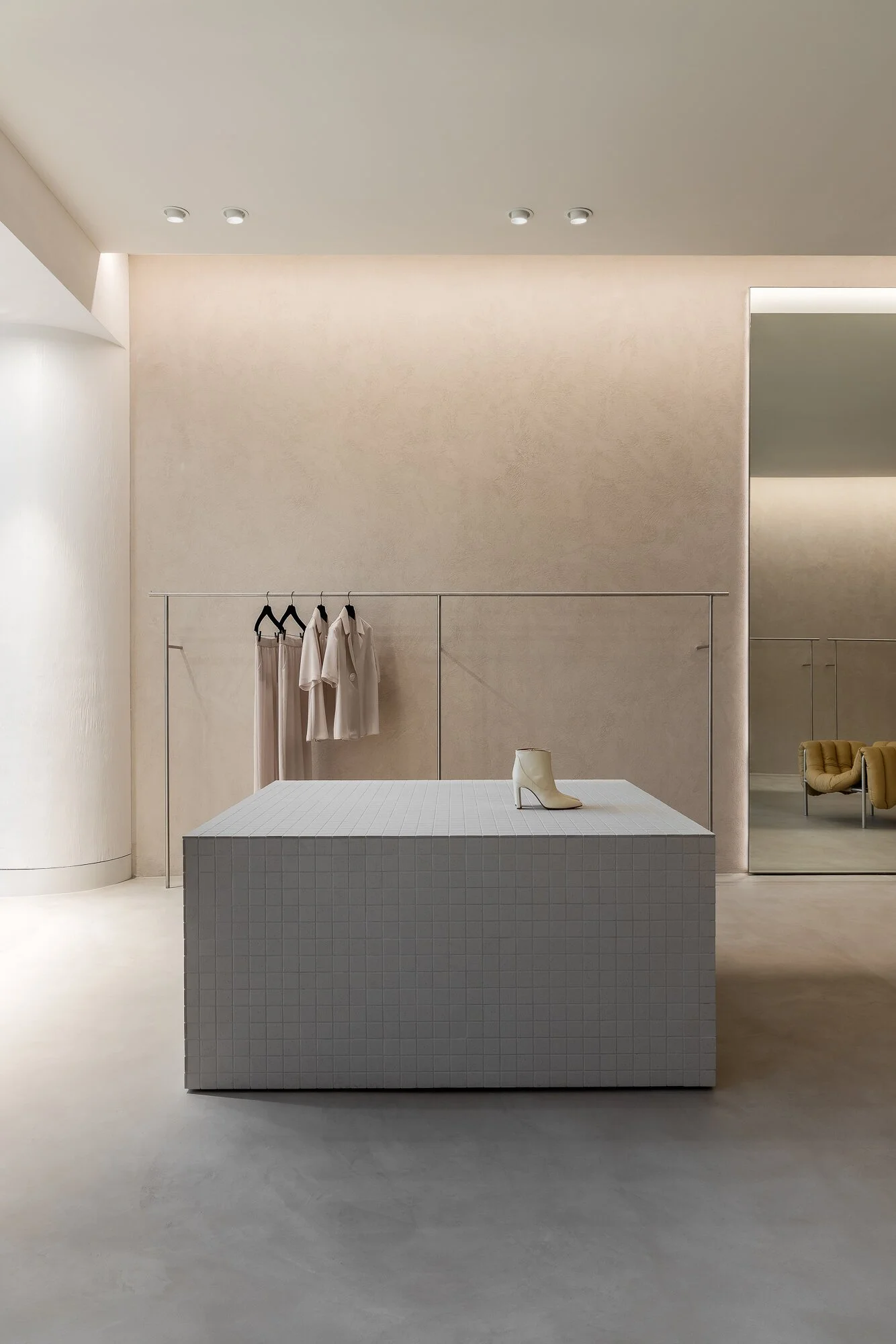
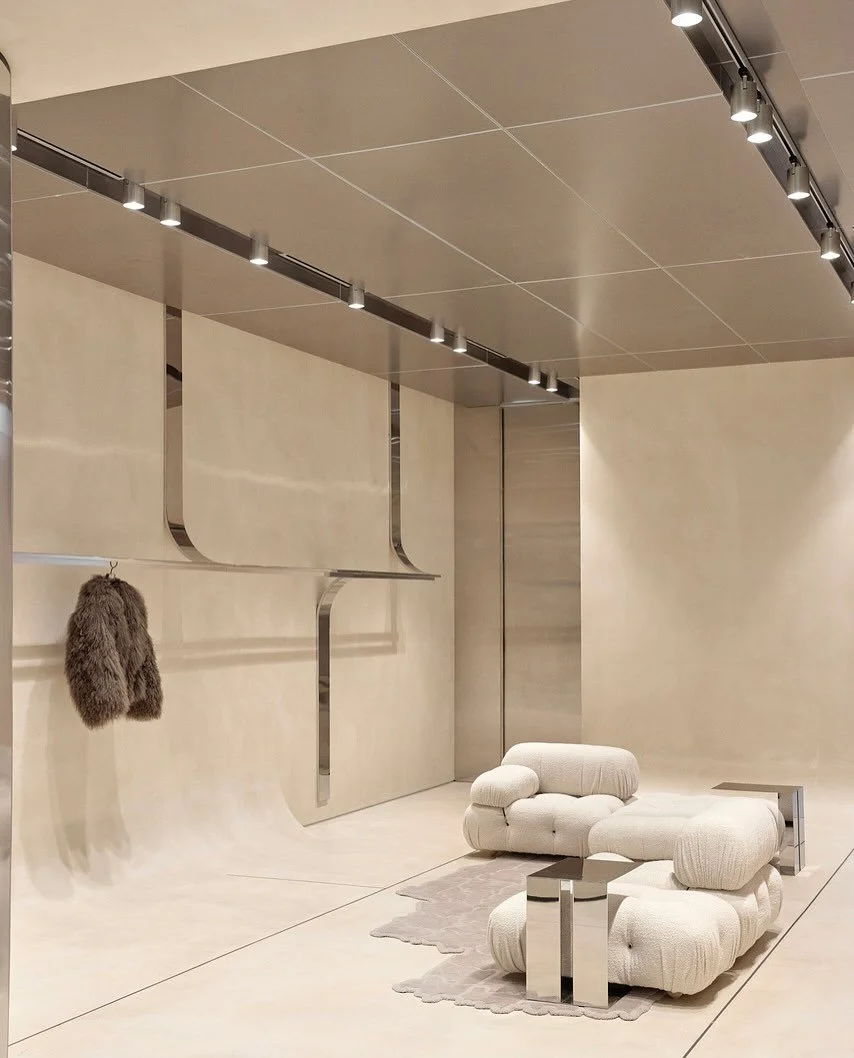
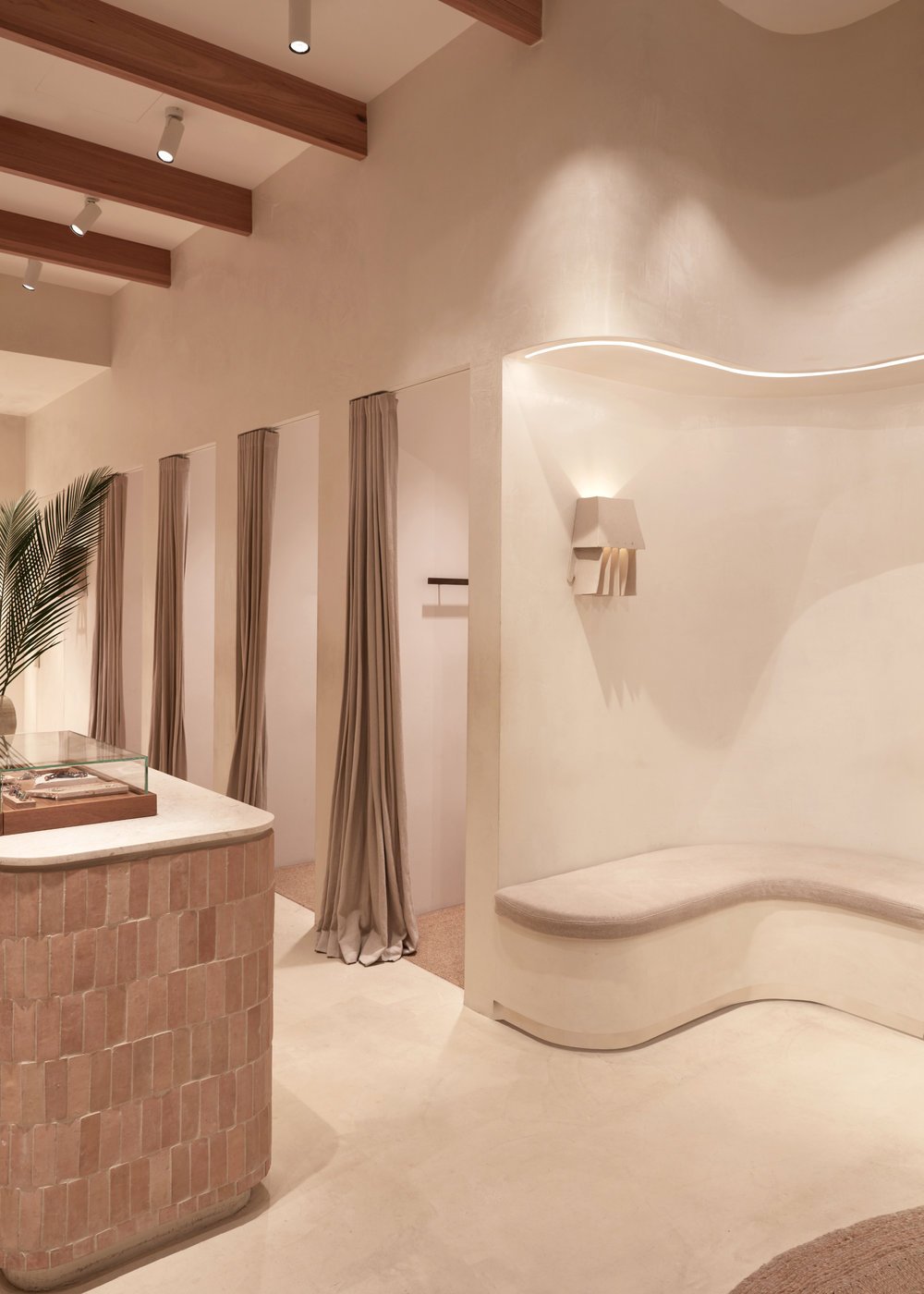
Retail environments rely heavily on visuals to create memorable customer experiences. As it’s an easily customised finish, microcement allows designers to create store concepts that are aligned with the brand’s unique DNA, as well as ticking all the boxes when it comes to functionality. Its seamless surface works well across floors, walls, counters, and display areas.
Medical & Healthcare Spaces
Medical clinics and wellness centres require surfaces that are both clean and durable. Microcement’s seamless, easy-to-maintain finish helps reduce dirt and bacteria build-up compared to tiled floors with grout lines. This makes it well suited for clients in healthcare and for wellness environments.
With the right sealing system, microcement floors can withstand frequent cleaning while maintaining a modern, professional appearance.
Commercial Bathrooms & Amenities
Commercial bathrooms often experience high foot traffic and constant exposure to moisture. Microcement provides a water-resistant, non-slip surface that works well for both floors and walls. Its seamless application also allows designers to create minimalist commercial bathrooms that are easier to maintain than traditional tiled spaces.
Microcement Training For Professionals: Learn to Install X-Bond
As demand for microcement grows, many surfacing professionals are exploring microcement training to expand their services. Trades who may benefit from our microcement training include:
Flooring installers e.g. concreters
Tilers
Plasterers and renderers working with other products, looking for a new supplier
Builders
Other decorative finish applicators e.g. painters
Because X-Bond is a specialised application system, proper training is required before purchasing product from us. This is to ensure the highest quality finish for the end client.
Here’s why surfacers choose us as their microcement supplier Australia.
Training typically covers:
Surface preparation including the waterproofing system that makes X-Bond CodeMark Certified
X-Bond application
Sealing and protection
Troubleshooting common issues
With the growth of microcement in Australia, trained installers are becoming increasingly valuable in the building industry.