
Understanding Quiet Luxury in Interior Design
Quiet luxury is a minimalist interior design principle that redefines traditional ideas of luxury through more simplified choices. It’s a language of taste that’s expressed through materials, craftsmanship, and thoughtful architectural elements rather than bold displays of wealth.
If you’ve ever seen an interior that feels restrained but still rich, warm and indulgent — this is quiet luxury in action. These spaces say a lot, but they say it softly.
Related Reading: Interior Design Trends to Watch in 2026
How We Got Here
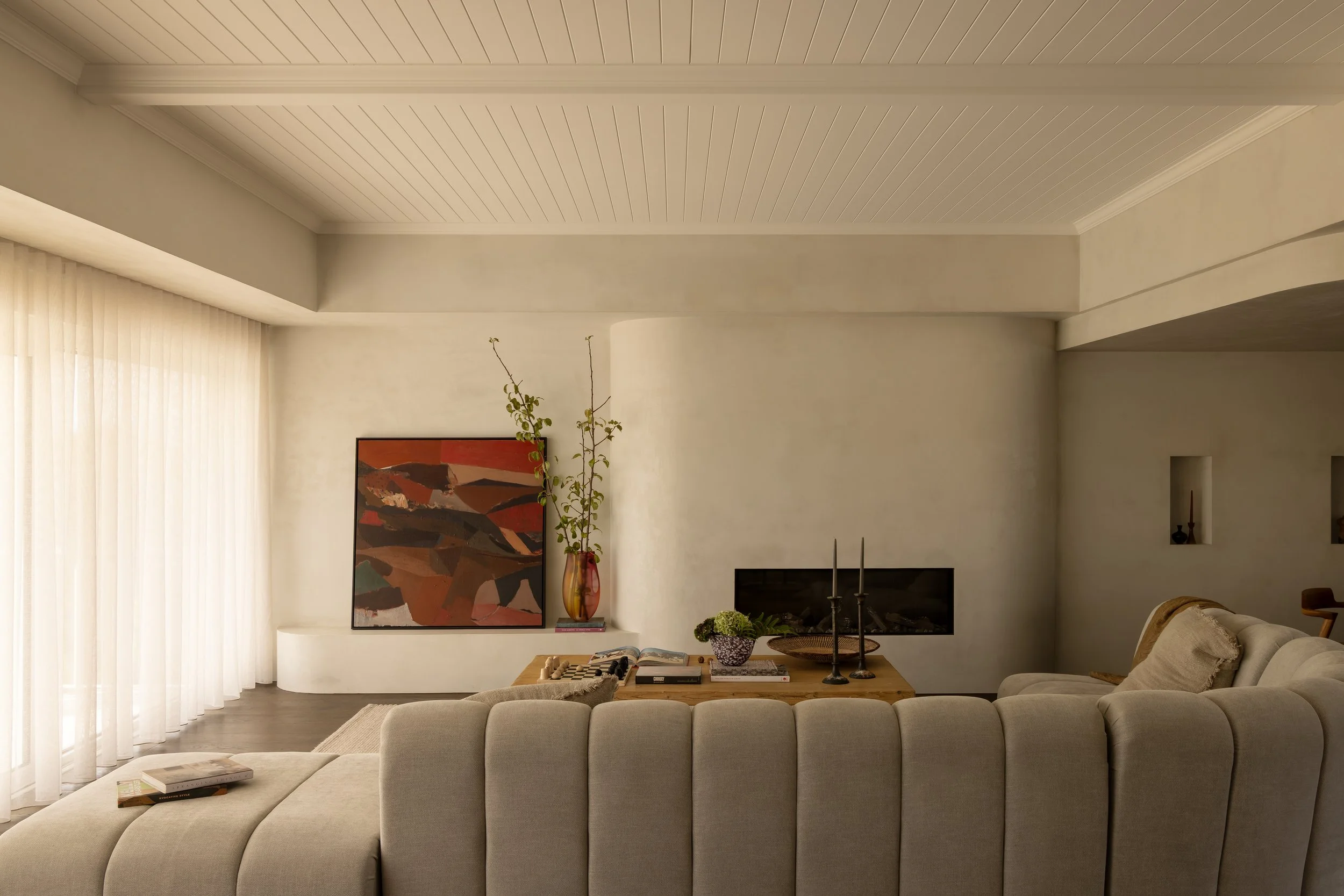
From the 1800s through to the late 20th century, luxury was largely associated with visual abundance. Grand architecture, gilded and ornate detailing, imported materials, intricate craftsmanship, expansive floor plans and lavish decoration all served as outward expressions of prestige and status.
However, by the early 21st century, attitudes towards luxury began to evolve and gave rise to a new interpretation of what it really means for a space to feel high-end. Designers started interpreting quality as something to be experienced rather than seen in excess.
How a space feels, the way light interacts with surfaces, the relationship between texture and form, and the overall atmosphere are now prerequisites when designing premium, architectural homes.
Read More: The Evolution of Minimalist Design
What Defines Quiet Luxury?
Quiet Luxury is an interior design aesthetic characterised by:
Simple, muted colour palettes — particularly monochrome
Clean yet subtly sculptural geometry and form
Material palettes with a focus on high-quality, natural finishes
Natural materials that use authentic textures
Creates depth by layering different material finishes instead of using busy prints
Handcrafted elements that showcase artisanal processes
Invisible amenities — features hidden storage, concealed smart home technology, and flawless custom joinery
Intentional curation of decor featuring minimal, high-quality furniture and sculptural art
Instead of adding more, designers focus on removing visual noise for an understated expression of sophistication. The beauty isn’t found in decoration, but in proportion, craftsmanship and material quality.
The overall feeling remains simplistic and timeless, but there's noticeably more depth. It's less about perfection and more about creating spaces that feel lived-in, tactile and authentic.
Why Texture Has Become So Important
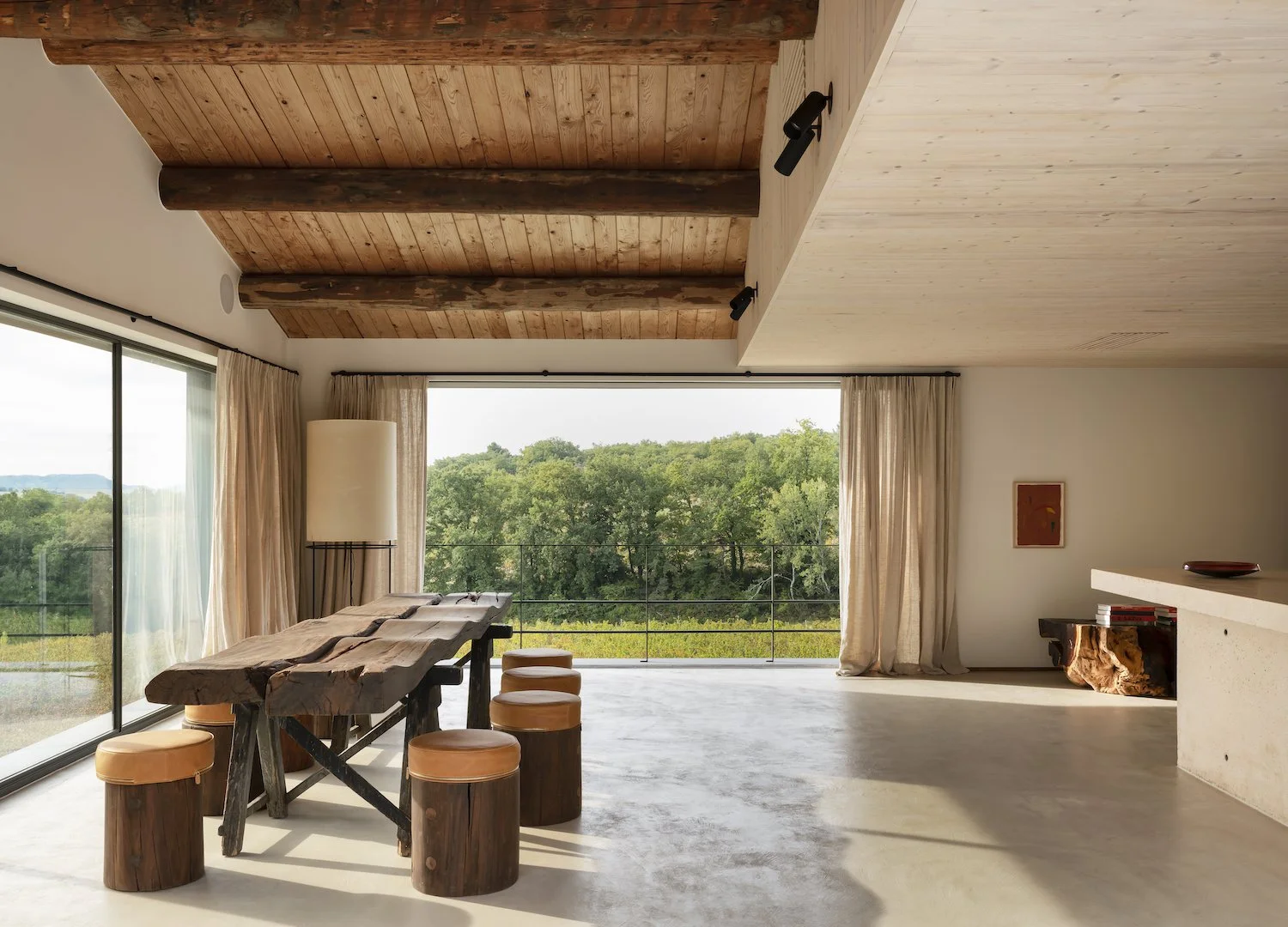
As colour palettes become quieter and materials become fewer, texture naturally takes on a larger role. Rather than introducing visual interest through pattern or decoration, designers rely on subtle differences in surface finish.
Light also interacts differently with textured surfaces throughout the day, creating movement and variation that flat painted walls simply can't achieve.
This approach allows interiors to remain minimal without feeling flat.
Read More: How Texture Shapes Emotions in Design
Materiality Is Replacing Decoration
One of the biggest shifts in contemporary design is the growing emphasis on materiality.
Instead of relying on decorative elements to create character, the materials themselves have become the feature — and it’s through handcrafted materials that you get the kind of exclusivity that luxury requires.
Natural stone, handmade ceramic tiles, timber, limewash, plaster and microcement all introduce subtle imperfections that give a space warmth and individuality. Every handmade finish carries tonal variation and texture that is entirely unique, creating an interior that feels crafted specifically for you rather than manufactured.
It's a more subtle expression of taste, one that rewards closer inspection.
Architecture as the Statement
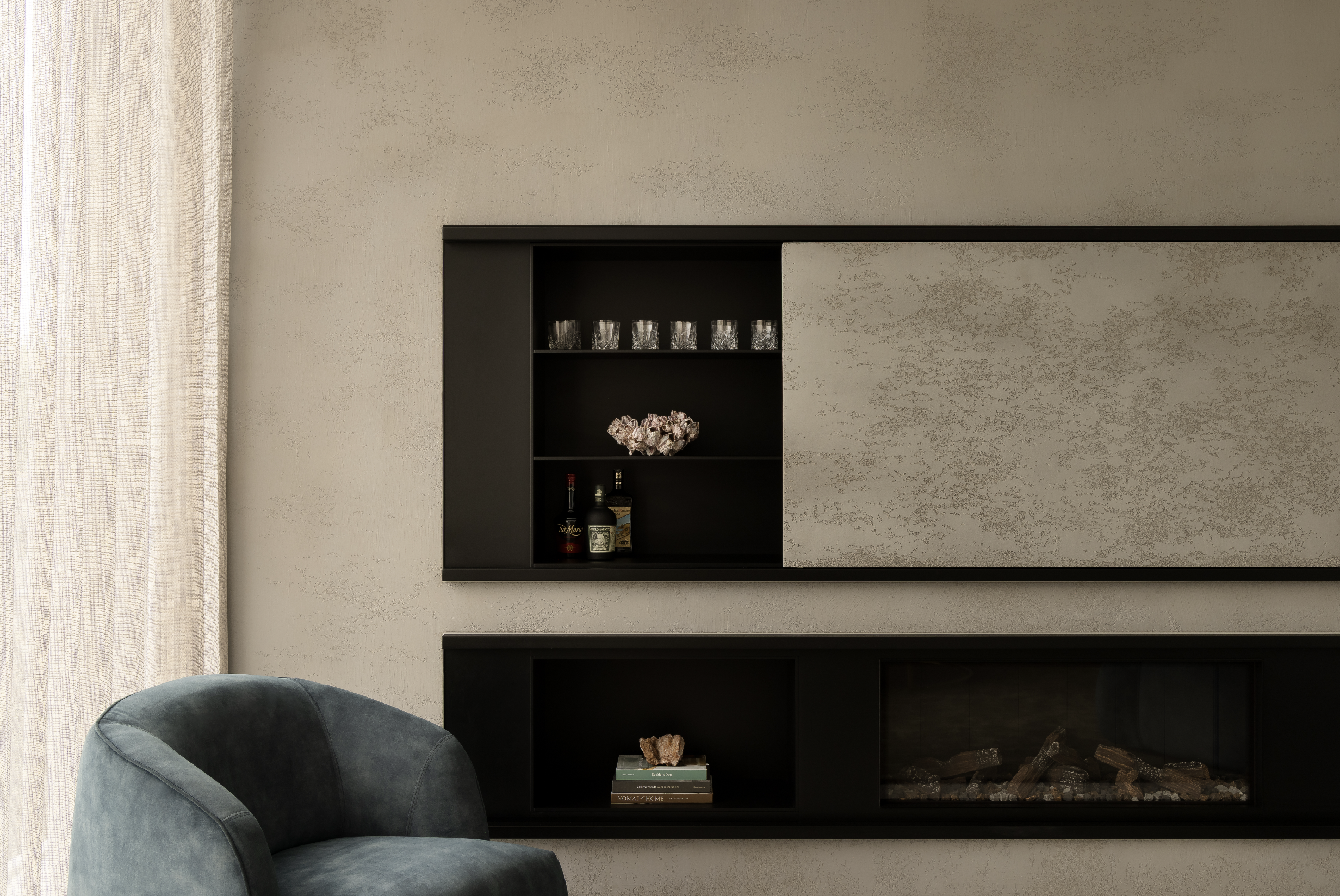
One of the defining characteristics of contemporary luxury is the shift from decoration to form. Instead of ornate and elaborate detailing, designers are creating impact through sculptural volumes and interesting proportions. Every line, form, and junction is carefully considered.
These architectural gestures give spaces a sense of permanence and sophistication, proving that simplicity can be just as expressive when executed with precision. They signal a discerning eye for design, reflecting a carefully curated vision and a commitment to the exceptional.
Materials like microcement complement this approach by wrapping these architectural elements in a seamless finish, allowing the form itself to take centre stage without visual interruption.
Related Reading: Design Elements to Complement Microcement
What This Means for Future Interiors
Rather than pursuing minimalism in its purest form, today's designers are embracing spaces that feel softer, richer and more human. The common thread remains timelessness.
Instead of chasing short-lived trends, there's a growing focus on materials that age beautifully, finishes that feel authentic and interiors designed to be enjoyed for decades rather than seasons.
As this evolution continues, handcrafted surfaces are becoming an increasingly important part of the conversation. Materials like X-Bond Microcement allow designers to achieve seamless, textural surfaces that bring warmth and character to contemporary spaces — without compromising the restrained aesthetic that defines modern high-end homes.
This is where luxury design has been heading: not towards less personality, but towards more thoughtful material expression.
We think you’ll like this article next: Balancing Aesthetics & Practicality in Bathrooms